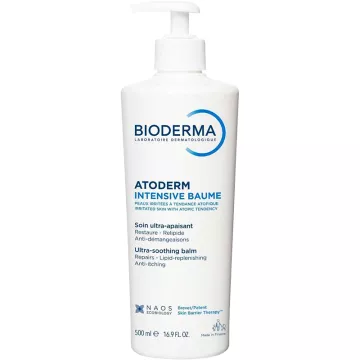
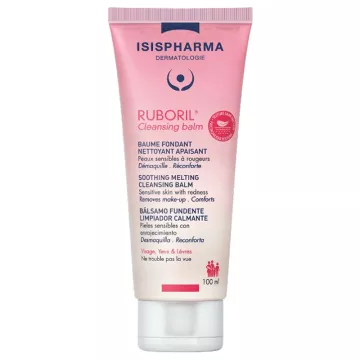
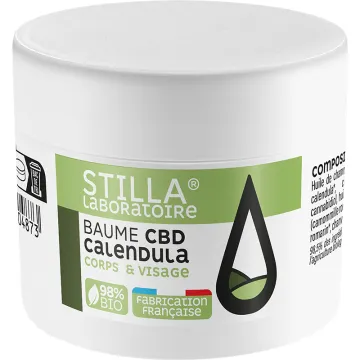
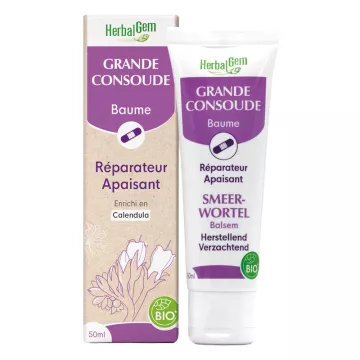
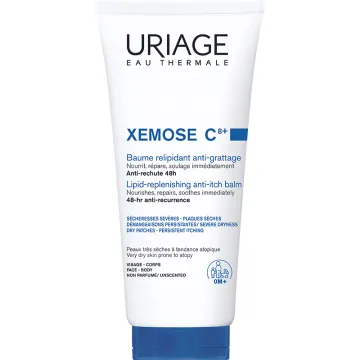
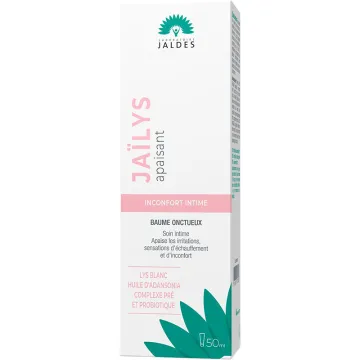
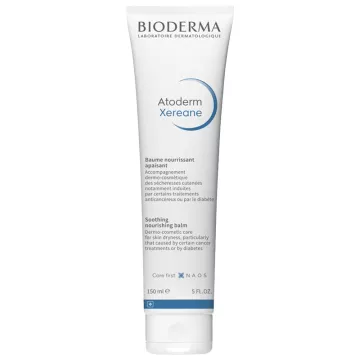
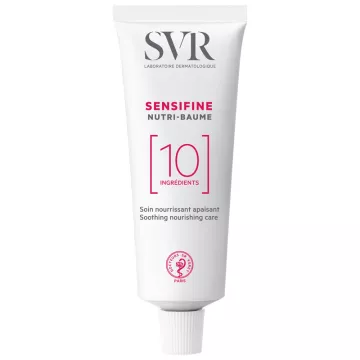
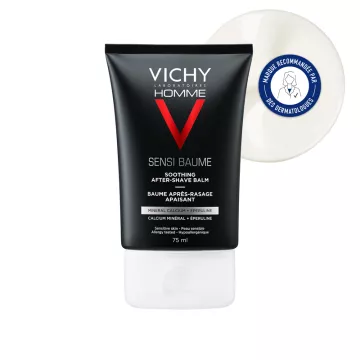
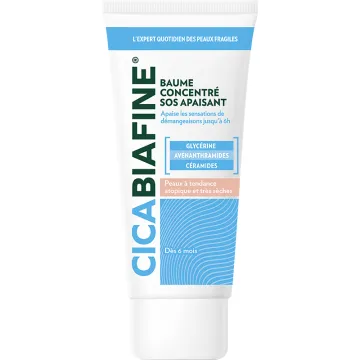
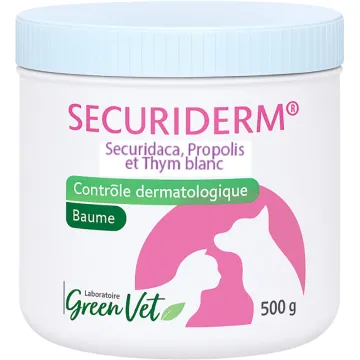
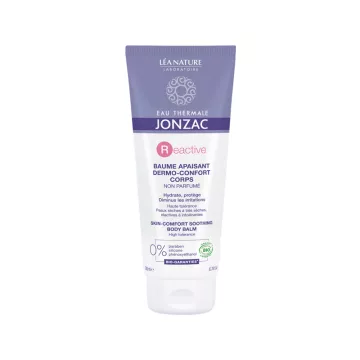
A soothing balm is a cosmetic product formulated to alleviate feelings of discomfort, support hydration, and soothe the skin.
Its rich, concentrated texture typically contains active ingredients known for their soothing properties: plant extracts, vegetable oils, and vitamins E or B5.
It is particularly suited for sensitive skin prone to superficial redness, tightness, or temporary discomfort (caused by wind, cold, or friction).
It visibly supports the skin barrier and helps maintain skin comfort as part of a daily routine; never apply to broken skin, open wounds, or burns.
The soothing balm stands out for its versatility and sensory comfort.
It can be used on many areas of the body: the face, lips, elbows, hands, or after sun exposure (as a supplement, never as a substitute for a dedicated after-sun treatment).
It can help soothe uncomfortable skin after shaving to reduce feelings of tightness and heat.
Its rich formula leaves a visible protective film that helps shield the skin from weather changes and supports daily skin comfort.
When choosing a soothing balm, carefully check the INCI list.
Opt for formulas containing active ingredients known for their skin-friendly properties: aloe vera, shea butter, calendula, jojoba oil, and panthenol (vitamin B5).
The antioxidant vitamins E and C are also beneficial for protecting the skin against environmental stressors.
Avoid harsh synthetic fragrances, concentrated denatured alcohol, and known allergenic preservatives, especially on reactive skin.
Apply the soothing balm to clean, slightly damp skin to promote absorption.
A small amount is sufficient, as these balms are concentrated with nourishing and emollient active ingredients.
Gently massage until fully absorbed, focusing on very dry or uncomfortable areas.
For visible results, use it daily, ideally before bedtime to take advantage of the overnight application time and the skin’s natural regeneration process.
Soothing balms are generally formulated to be well-tolerated, even by sensitive or reactive skin.
However, some people may be sensitive to a specific ingredient (essential oil, plant extract, preservative).
Always perform a patch test on the inside of your elbow 48 hours before use: apply a small amount and check for any reaction (redness, itching, burning sensation).
If a reaction persists, discontinue use and consult a dermatologist.
A soothing balm is characterized by a rich texture and a high concentration of soothing and emollient active ingredients.
Moisturizing cream, which is waterier and lighter, is primarily designed to supportthe skin’s overallhydration on a daily basis.
The balm provides more enveloping protection and prolonged comfort for sensitive or very dry skin.
Both products can complement each other in a skincare routine: apply moisturizer as a base layer, then use a soothing balm as a targeted treatment on areas of discomfort.
A soothing balm can be applied to the face, provided its formula is explicitly designed for this area.
Face-specific balms are generally lighter and formulated not to clog pores.
They are valued for visually reducing superficial redness and tightness, particularly in winter or in dry environments.
Avoid balms containing harsh essential oils or concentrated fragrances if you have acne-prone or highly reactive skin.
The soothing balm forms a protective film that helps limit water loss and shields the skin from external irritants.
The soothing active ingredients (aloe vera, calendula, shea butter, panthenol) visibly support skin comfort in fragile or uncomfortable skin.
These ingredients help maintain suppleness and alleviate discomfort when used as a comfort-enhancing cosmetic.
For skin prone to eczema, psoriasis, atopic dermatitis, or other chronic skin conditions, a soothing balm remains a cosmetic supplement: dermatological supervision is essential.
Soothing balms are formulated to suit most skin types, including sensitive or reactive skin.
Read the INCI list carefully to verify compatibility with your specific needs and identify any potential allergens.
Some people may have individual reactions to certain ingredients, even those of natural origin (essential oils, plant extracts, propolis).
Always perform a patch test on a small area (the inside of your elbow) 48 hours before using a new product on a larger area.
**No**, a soothing balm should not be applied to an open wound or an unhealed skin lesion.
Cosmetic balms are designed for healthy, dry, sensitive, or irritated skin, but they are not medical devices intended to treat wounds.
First steps in case of a cut, scrape, or wound: clean with water and mild soap, disinfect with an appropriate antiseptic (as advised by a healthcare professional), and protect with a bandage.
Once the skin has healed and closed, the balm can be used to moisturize the area and promote skin comfort; in the case of an extensive, deep, or oozing wound, medical consultation is essential.