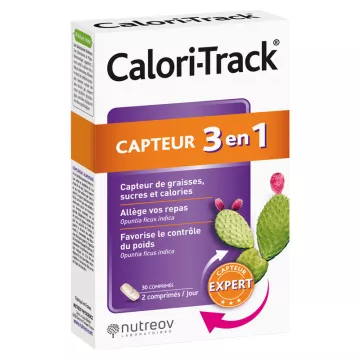
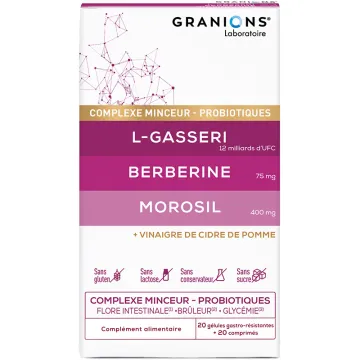
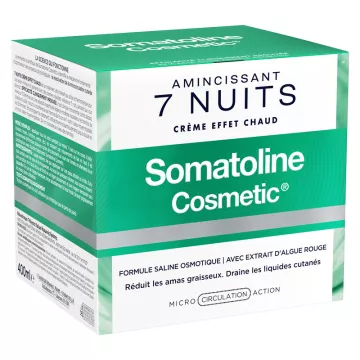
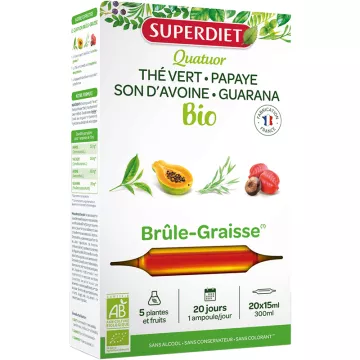
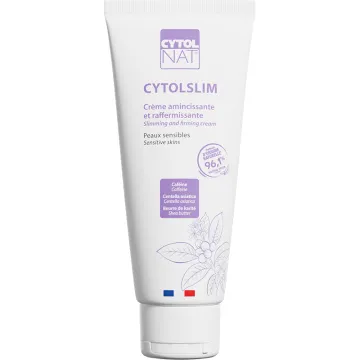
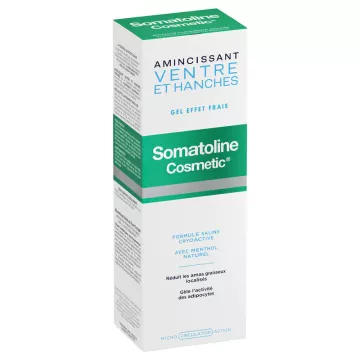
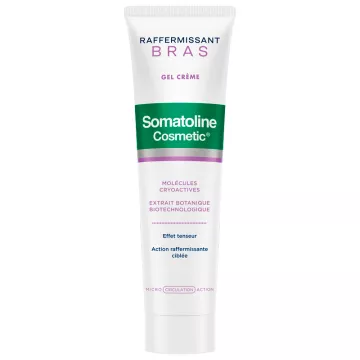
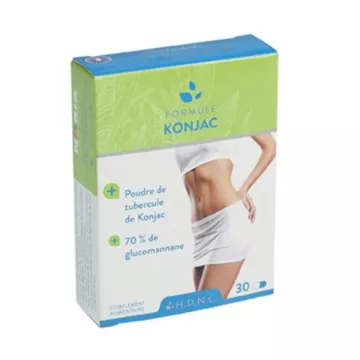
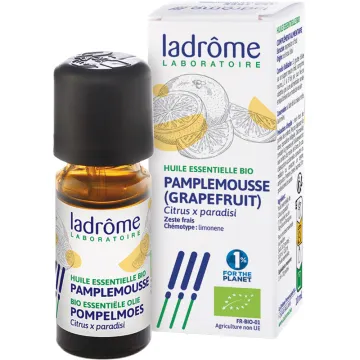
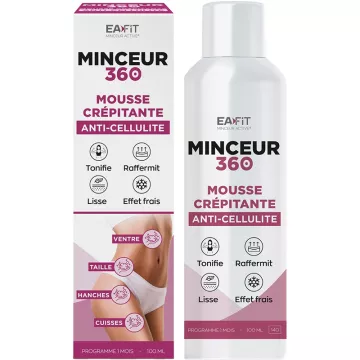
A slimming product is a cosmetic or nutritional formulation designed to help refine the figure, improve skin firmness, and reduce the unsightly appearance of cellulite. Topical treatments—creams, gels, and oils—work locally by stimulating microcirculation, promoting lymphatic drainage, and tightening the skin. Dietary supplements work from the inside by supporting lipolysis, regulating lipid metabolism, or reducing the absorption of dietary fats. These two approaches are complementary and can be combined for an optimal synergistic effect.
The most effective slimming formulations utilize active ingredients with well-documented mechanisms of action:
The choice depends on your primary goal. Creams and gels are recommended for localized action: reducing the appearance of cellulite, improving firmness, and smoothing the silhouette. They require twice-daily application with massage to optimize the penetration of active ingredients and stimulate blood circulation. Dietary supplements are better suited for systemic action: supporting metabolism, regulating appetite, and promoting general drainage. A weight-loss regimen combining both approaches—topical treatment in the morning and a supplement with meals—is the most comprehensive strategy for targeting multiple mechanisms simultaneously.
The first visible effects—a feeling of lightness, a slight reduction in water retention—may appear as early as two to three weeks of regular use. A significant improvement in skin firmness and texture generally requires four to six weeks of consistent treatment. For dietary supplements, the recommended treatment duration is usually one to three months. No weight-loss product produces lasting results without a healthy lifestyle: a balanced diet and regular physical activity are essential for achieving and enhancing the results. Consistent use is more important than the intensity of occasional treatments.
Most topical slimming treatments are formulated to suit a wide range of skin types, but a few precautions are necessary:
Weight-loss products are not exclusively for women. Men have different localized fat deposits—primarily in the abdominal and chest areas—but the underlying mechanisms are the same: accumulation of fat cells, water retention, and impaired microcirculation. Most topical treatments are suitable for both genders, although some brands offer formulations tailored to men’s skin, which is generally thicker and oilier. Slimming dietary supplements are also gender-neutral; only the dosages may vary depending on body weight. A routine combining topical treatments, lymphatic drainage, and a healthy diet yields the same results in men as in women with comparable metabolic profiles.