The silky texture of hair results from three factors working together:
The suppleness of strands is directly linked to their internal water content—dry, dehydrated hair is stiff, brittle, and rough, whereas well-hydrated hair is fluid and melts between the fingers. Curly or coily hair tends to appear less silky because its curl pattern prevents sebum from spreading evenly along the hair shaft—hence its increased need for plant-based oils and leave-in treatments.
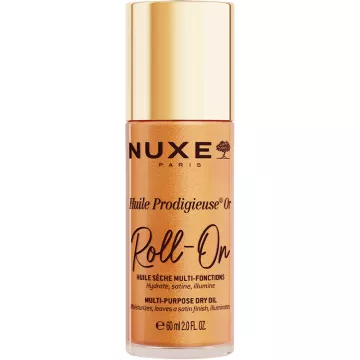
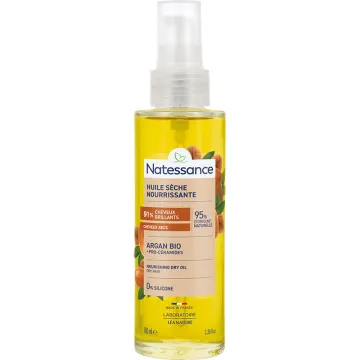
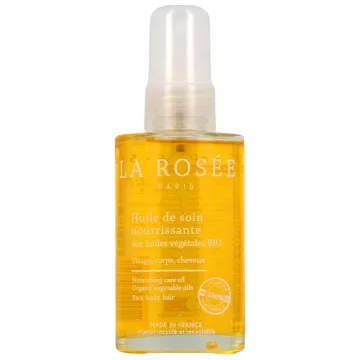
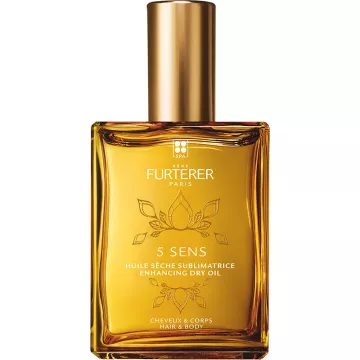
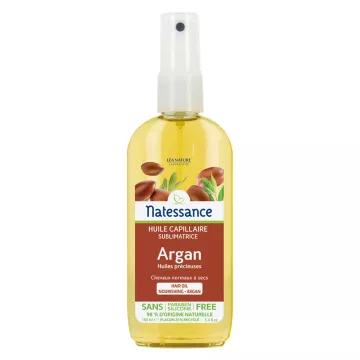
Dry hair oils form an ultra-thin lipid film on the surface of the hair shaft without leaving a greasy or sticky residue—the quickest way to achieve a silky feel. Nuxe’s Huile Prodigieuse Or (macadamia, argan, camellia, rosehip) is the best-selling versatile face/body/hair treatment for a silky feel—just a few drops on the ends are enough. René Furterer 5 Sens Sublimatrice Dry Oil (safflower, macadamia, abyssinia) is formulated for hair and body—its ultra-light texture absorbs without leaving a film. Natessance Argan Dry Oil (organic argan + shea butter) offers a nourishing yet lightweight formula for dry hair that lacks body. These oils can be applied to dry hair as a finishing touch (2 to 3 drops in the palms, worked into the lengths and ends) and as heat protection before blow-drying.
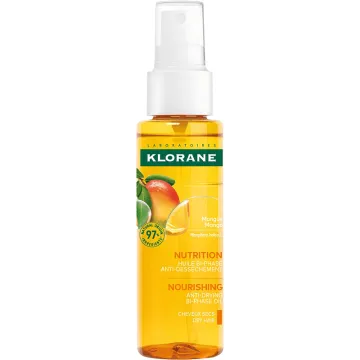
The detangling balm (rinse-out conditioner) is the most crucial step for achieving a silky texture—it deposits a film of cationic polymers and fatty substances onto the cuticles lifted by the shampoo, mechanically closing them and reducing friction between strands. René Furterer 5 Sens Smoothing Detangling Balm (silk proteins, polymers, macadamia oil) leaves hair feeling supple and smooth immediately. Klorane Mango Hair Oil (mango butter + vitamin E) is a natural alternative for dry hair—its mango butter melts with the heat of the scalp and spreads evenly. Apply these products by applying light pressure from the roots to the ends, taking care not to break the fragile hair shaft.
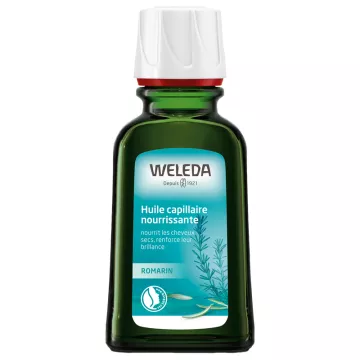
Weleda Rosemary Nourishing Hair Oil is a pre-wash treatment (applied 20 to 30 minutes before shampooing) that combines the stimulating effects of rosemary (improving scalp microcirculation and toning the hair follicles) with the nourishing properties of sunflower and sesame oils. Regular use (once a week) gradually improves the texture of dry, damaged hair—strands become softer and silkier over the course of several weeks. It is particularly recommended for thick, coarse hair that lacks suppleness, as well as for sensitive scalps that benefit from rosemary’s soothing effect.
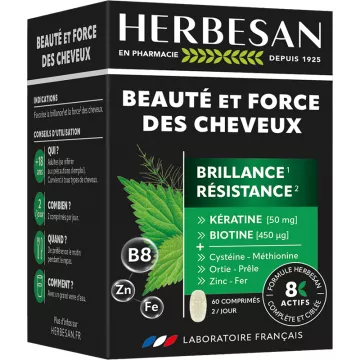
The texture and suppleness of hair depend largely on the quality of the hair shaft produced by the hair follicle. Herbesan Beauty & Hair Strength (biotin, keratin, silica, B vitamins, zinc) nourishes the follicle and gradually improves the texture of the hair shaft. Internal hydration (at least 1.5 liters of water per day) is the first factor to optimize—chronic dehydration directly affects hair texture (making it coarse, brittle, and lacking in suppleness). Essential fatty acids (omega-3 EPA/DHA and omega-6) nourish the membranes of follicular cells and improve the quality of the hair shaft—as part of a treatment lasting at least 3 months.
You can maintain silky hair by combining the right habits at every stage of your hair care routine. When washing: use lukewarm water (never hot) to avoid excessively lifting the cuticles; a gentle shampoo free of harsh sulfates; and a detangling conditioner left on for 2 to 3 minutes before rinsing with cold water (to close the cuticles). After washing: Never rub with a towel (pat dry instead); blow-dry on a low heat setting (80°C maximum); apply a light dry oil to the mid-lengths and ends. For weekly care: apply a protein mask or nourishing oil (Weleda Rosemary, Klorane Mango) 20 to 30 minutes before shampooing. Edible plant oils (flaxseed, canola, and walnuts—rich in omega-3) incorporated into your diet improve the hair shaft’s texture from the inside out—an “inside-out” approach that complements external care for long-lasting, silky hair.