Hair suppleness depends on two main factors: the hydration of the keratin fiber and the cohesion of the cuticle scales. Supple hair can stretch up to 30% of its length without breaking—dehydrated hair breaks long before that. Loss of suppleness occurs when the cuticle is lifted (due to harsh shampoos, heat from styling tools, hair coloring, or sun exposure), leaving the cortex exposed and the fiber porous. Colored, bleached, or chemically treated hair is structurally more porous and requires more regular moisturizing care—just like naturally dry or curly hair. A gentle shampoo suited to your hair type is the first step in preserving flexibility during washing.
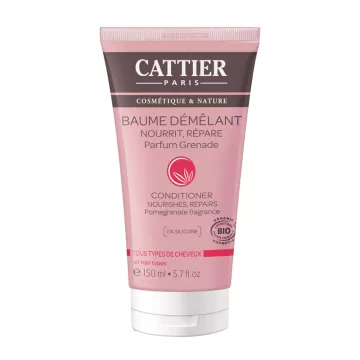
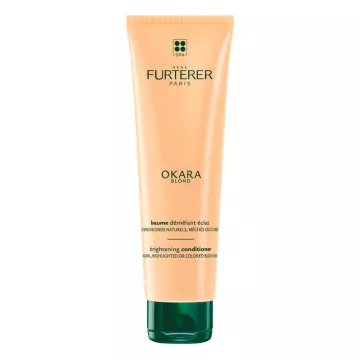
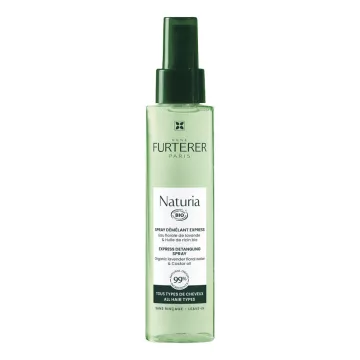
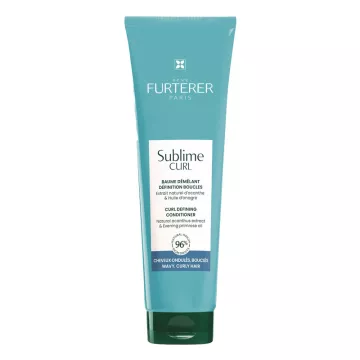
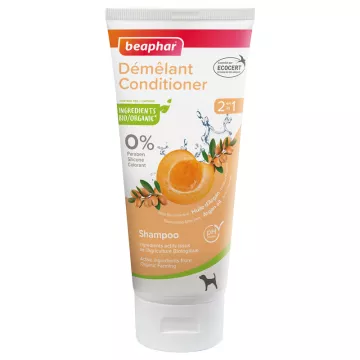
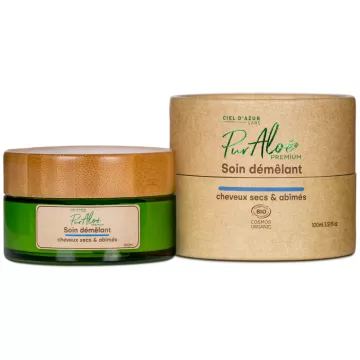
Conditioner is the first line of defense against loss of suppleness—its cationic conditioning agents neutralize the negative electrical charges created by shampoo on the hair’s surface, flatten the cuticle scales, and reduce friction between the hair fibers. The result: smooth, soft hair that’s easier to style. Detangling balms (more concentrated formulas) are recommended for very thick, long, or curly hair. Express detangling sprays (no-rinse) are suitable for use between washes. The combination of honey (moisturizing) + hydrolyzed wheat proteins (structure) + argan (nourishment) creates a particularly effective synergy for softness and shine.
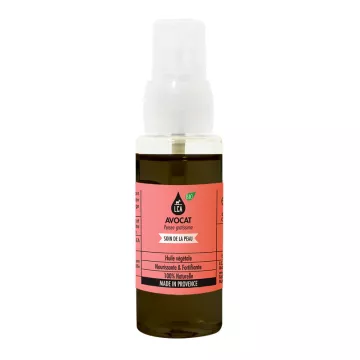
Argan oil (unsaturated fatty acids, vitamin E, squalene) is one of the few hair oils that penetrates the keratin fiber—it reduces water loss and smooths the cuticle from the inside. Coconut oil (lauric acid) is the only oil capable of reducing protein loss during washing: when applied as a pre-shampoo treatment 30 minutes before washing, it minimizes mechanical and chemical damage. Avocado oil (oleic acid, vitamins A, D, and E) penetrates the cortical layers and is particularly well-suited for thick, frizzy, or curly hair that lacks suppleness and shine.
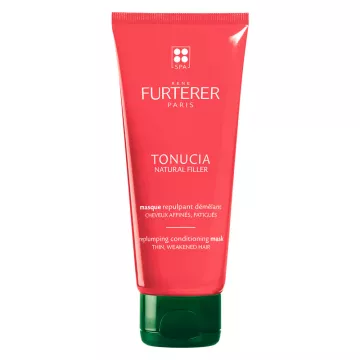
Keratin makes up 90% of the hair’s composition. When its disulfide bonds are damaged (by heat, coloring, or pulling), the hair loses its structural integrity and becomes brittle. Products containing hydrolyzed keratin (low-molecular-weight fragments) penetrate damaged cortical areas and temporarily fill the gaps between the fibrils. Repairing shampoos with keratin and castor oil deliver protein with every wash. Plumping masks (plant-based hyaluronic acid, silk proteins, amino acids) complement this process for denser, more supple, and shinier hair.
An effective softness routine combines complementary steps:
This routine, followed for 4 to 6 weeks, restores visible suppleness to even the most damaged hair. Never detangle dry hair to prevent breakage and hair loss caused by mechanical stress.