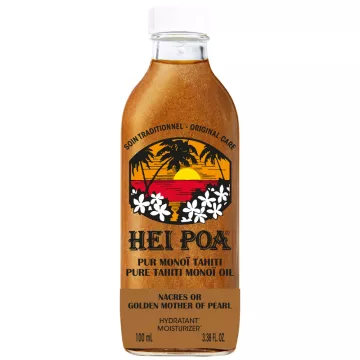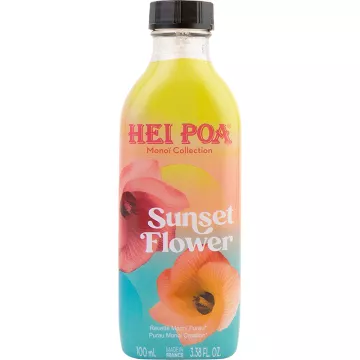
Tahitian Monoï (Polynesian Protected Designation of Origin) is made by macerating tiare flowers (Gardenia tahitensis) in virgin coconut oil—it is not simply scented coconut oil, but a formula enriched with the active ingredients of tiare flowers. This all-in-one hair care treatment can be used in three complementary ways:
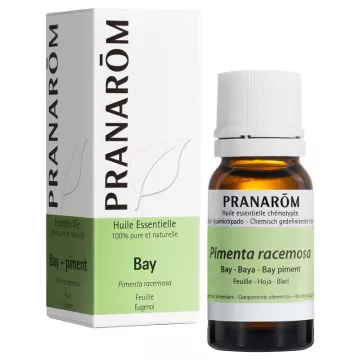
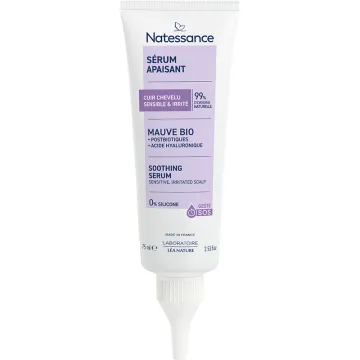
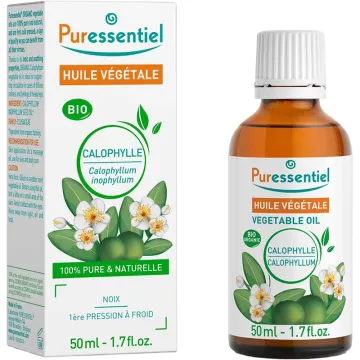
Bay essential oil (Pimenta racemosa) (Pimenta racemosa) strongly stimulates capillary microcirculation and promotes keratinization of the hair follicles—use it diluted (2–3% in a neutral vegetable oil) in a scalp massage to stimulate hair growth. Calophyllum (Calophyllum inophyllum) vegetable oil, rich in calophyllic acid and delta-tocotrienol, is a powerful skin-repairing and anti-inflammatory agent—applied to an irritated or weakened scalp. These two active ingredients form an effective combination for fine hair prone to shedding due to a weakened hair bulb.
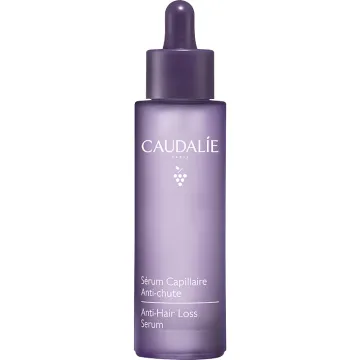
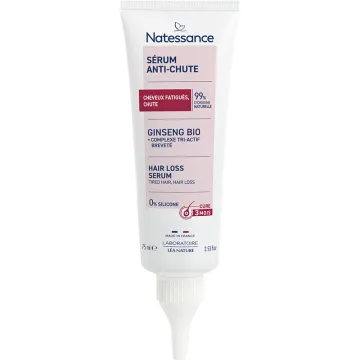
Ginseng-based anti-hair loss serums (ginsenosides) work through several mechanisms: stimulating microcirculation in the scalp, reducing peri-follicular inflammation, and stimulating the anagen phase of the hair growth cycle. Apply them directly to the dry scalp using circular massage motions, 2 to 3 times a week, without rinsing. Results are visible after 8 to 12 weeks of continuous use. These serums work well in combination with dry shampoo between washes to minimize handling of the delicate scalp.
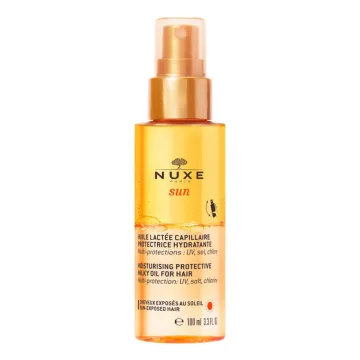
The sun damages hair through two main mechanisms: UV-B rays break down keratin (photooxidation), and UV-A rays oxidize melanin and gradually fade colored hair. Sea salt and heat dry out the hair shaft and lift the cuticle. Protective hair oils (monoi, coconut oil, milky oil with a mineral filter) form a protective film that limits UV penetration into the hair shaft. For blonde or bleached hair, which is particularly sensitive to photo-oxidation, applying a protective oil before swimming is essential. Rinsing with fresh water after every swim in the ocean or pool significantly reduces cumulative damage over the season.
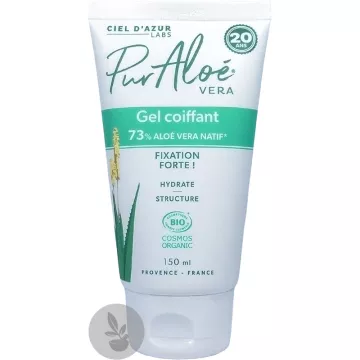
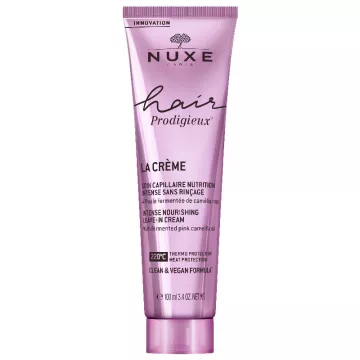
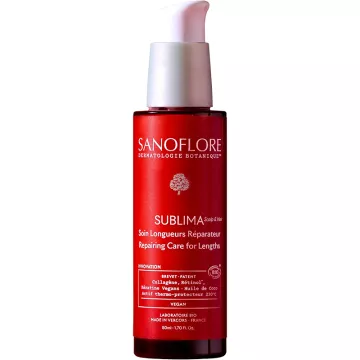
The organic aloe vera styling gel is the ideal finishing touch for curly hair: its polysaccharides define curls without making them stiff, maintain the hair’s moisture, and reduce frizz. Apply to very damp hair (using the “praying hands” technique), then air-dry or dry with a cool diffuser for a natural, bouncy finish. Repairing length treatments (light, leave-in creams and oils) are designed for coily and very thick hair—they seal moisture into the hair shaft and extend the life of protective styles.
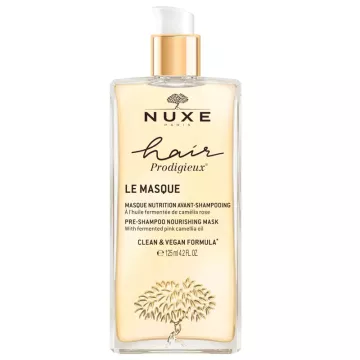
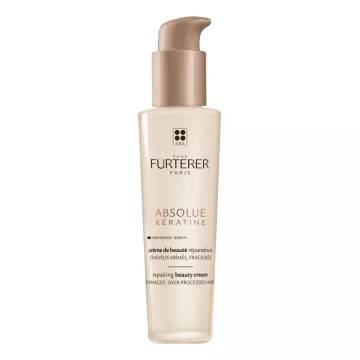
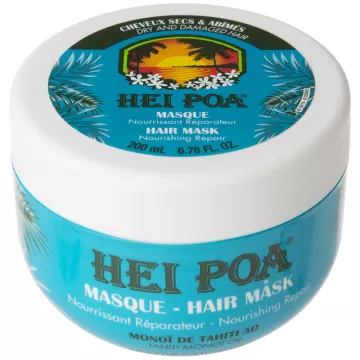
Repairing masks for damaged hair (colored, bleached, or heat-damaged) combine keratin-rebuilding active ingredients (hydrolyzed keratin, silk proteins, sulfur-containing amino acids) with nourishing and film-forming active ingredients (monoi, prickly pear, shea butter). They are applied after shampooing to towel-dried hair, working them thoroughly from roots to ends (using a wide-tooth comb), and left on for 5 to 15 minutes under a warm towel (heat opens the cuticle and allows for better penetration of the active ingredients). 2-in-1 oil-shampoo masks (used before shampooing or in place of it) are a convenient option for quick routines. For very damaged hair, a weekly mask alternated with a curl mask or color treatment is the most effective routine. Coily hair particularly benefits from ultra-rich masks applied under a heated cap for maximum nourishment.