What physiological factors influence sexuality?
Sexuality is determined by the interaction of four physiological factors:
- Hormonal system: Testosterone is the central regulator of sexual desire in both men and women. Its production depends on zinc, selenium, and vitamin D3. Chronic cortisol is its main antagonist.
- Vascular system: Erections and lubrication depend on blood flow via the production of nitric oxide (NO). L-arginine is the direct precursor of NO; omega-3s improve pelvic vascular elasticity.
- Central Nervous System: Dopamine modulates sexual desire and motivation; serotonin modulates mood and emotional well-being within the relationship.
- Psychological health: performance anxiety, depression, and low self-esteem are the most common causes of non-organic sexual dysfunction. A consultation with a healthcare professional is recommended as soon as symptoms become persistent.
Zinc and Vitamin D3: Hormonal Support for Sexual Health?
Two micronutrients are essential for hormonal sexual function:
- Zinc: a cofactor in testosterone synthesis and an inhibitor of aromatase (the enzyme that converts testosterone to estradiol in men). A zinc deficiency directly reduces testosterone levels and spermatogenesis. Recommended intake: 8 to 11 mg/day (oysters, pumpkin seeds, red meat).
- Vitamin D3: Its receptor is present in testicular Leydig cells and ovarian follicles. Meta-analyses confirm a positive correlation between vitamin D3 levels and total testosterone. Supplementation to normalize levels (2,000 to 4,000 IU/day) improves testosterone levels in men with a deficiency.
Do L-arginine and omega-3s improve sexual circulation?
Pelvic blood flow is a key determinant of erectile function and lubrication:
- L-arginine (3 to 6 g/day): a direct precursor of nitric oxide, which induces relaxation of the smooth muscles in the corpora cavernosa. Meta-analyses show improved erectile function at doses of ≥ 5 g/day. It is more effective when combined with pycnogenol (Prelox® formula: 80 mg pycnogenol + 3 g L-arginine).
- Omega-3 DHA and EPA: improve endothelial elasticity, reduce blood viscosity, and inhibit platelet aggregation. Observational studies link high omega-3 intake to a reduced risk of vascular erectile dysfunction.
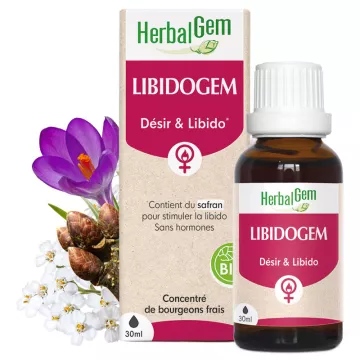
Does maca improve sexual desire in men and women?
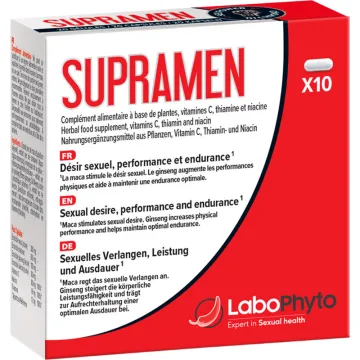
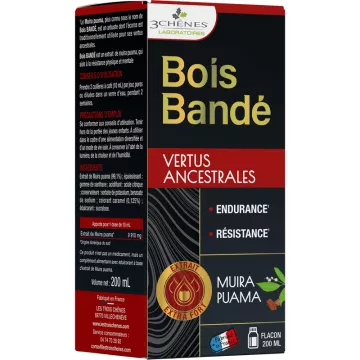
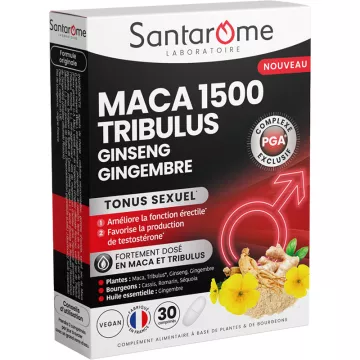
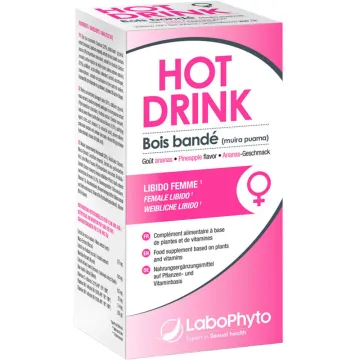
Maca (Lepidium meyenii) is the most well-documented adaptogenic plant for libido. Its macamides modulate the hypothalamic-pituitary axis without directly affecting hormone levels. Randomized controlled trials confirm an improvement in sexual desire without changes in testosterone, estradiol, or FSH levels. In women, studies show an improvement in libido and satisfaction, as well as a reduction in menopausal symptoms (hot flashes, vaginal dryness) after 6 to 8 weeks. In men, preliminary trials show improvements in libido and sperm quality.
Does Tribulus terrestris boost sexual function?
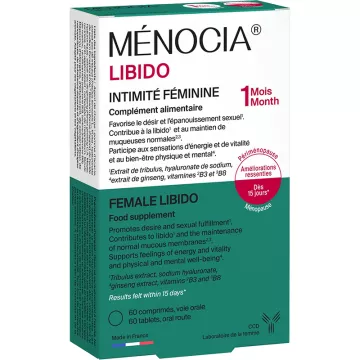
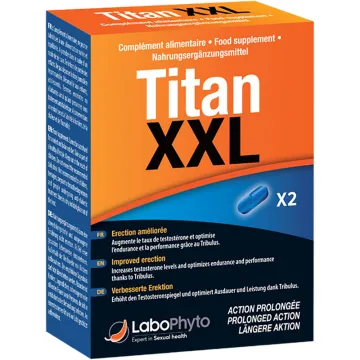
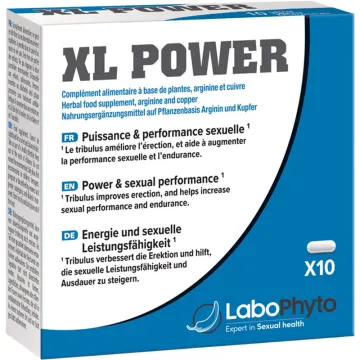
Tribulus terrestris (protodioscin saponins) stimulates the release of LH (luteinizing hormone) by the pituitary gland, increasing natural testosterone production. Clinical studies in men with reduced libido show an improvement in desire and satisfaction after 8 to 12 weeks (750 to 1,500 mg/day of standardized extract). Preliminary studies in women show improvements in lubrication and desire. Caution: Not recommended for those with prostate disorders, hormone-dependent cancers, or during pregnancy.
Lifestyle, Stress, and Sleep: Pillars of a Fulfilling Sex Life
Beyond supplements, lifestyle factors have a fundamental impact:
- Physical activity (resistance training): increases testosterone levels by 20 to 30% after 12 weeks and improves pelvic blood flow.
- Chronic stress management: Cortisol is the primary inhibitor of testosterone, as it competes for pregnenolone (a common precursor). Cardiac coherence and mindfulness meditation are recommended.
- Sleep quality: Testosterone production peaks during deep sleep. A 5-day sleep deficit reduces testosterone levels by 10 to 15% in young men, according to controlled studies.
- Diet: The Mediterranean diet is associated with a reduced risk of vascular erectile dysfunction. Excessive alcohol consumption inhibits testosterone synthesis starting at just 2 to 3 drinks per evening.