Which Bach Flower Remedies Can Help Boost Self-Confidence?

Filter
Number of products : 9
Sort
Sort
Close
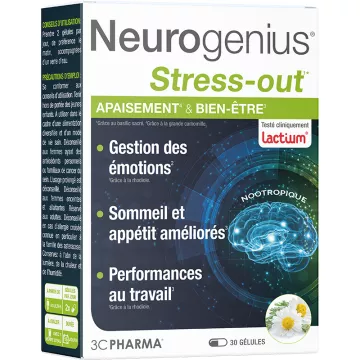
3C Pharma Neurogenius Stress-Out: Calm & Well-Being, 30 capsules 3C Pharma Neurogenius Stress-Out: Calm & Well-Being, 30 capsules
€9.99
Shipped within 24h
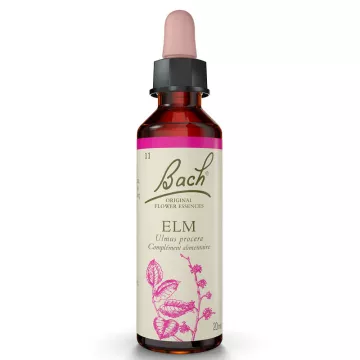
Bach Flower Remedies Elm Original 20ml Bach Flower Remedies Elm Original 20ml
€11.99
Shipped within 24h
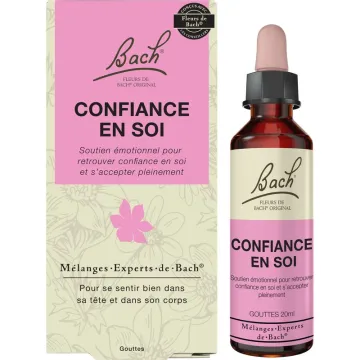
Bach Original Self-Esteem Flower Remedy, Dropper Bottle, 20 ml Bach Original Self-Esteem Flower Remedy, Dropper Bottle, 20 ml
€19.90
Shipped within 24h
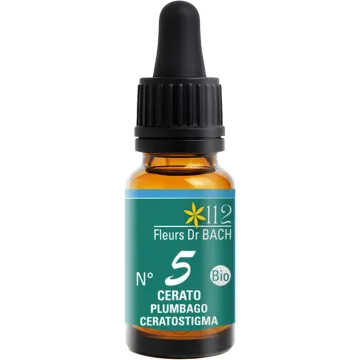
Inebios Bach Flower Remedies Cerato Plumbago 10 ml No. 5 Inebios Bach Flower Remedies Cerato Plumbago 10 ml No. 5
€5.55
Shipped within 24h
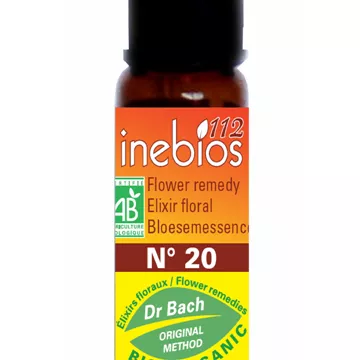
Bach Flower Remedies: Mimulus 10 ml Inebios Mimulus No. 20 Bach Flower Remedies: Mimulus 10 ml Inebios Mimulus No. 20
€5.55
Shipped within 24h
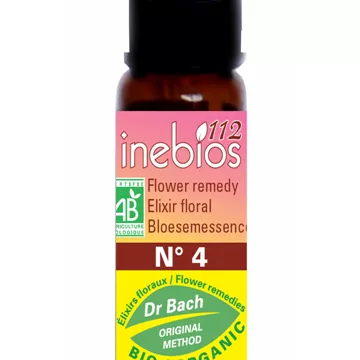
Bach Flower Remedies: Centaury 10 ml Inebios Centaury No. 4 Bach Flower Remedies: Centaury 10 ml Inebios Centaury No. 4
€5.55
Shipped within 24h
VANADIUM METALLICUM Boiron Homeopathic Granules VANADIUM METALLICUM Boiron Homeopathic Granules
5 C 15 C +
€2.99
Add to cart
In stock - preparation within 1 to 2 working days
Bach Flower Remedies: Larch 10 ml Inebios Larch No. 19 Bach Flower Remedies: Larch 10 ml Inebios Larch No. 19
€5.55
Currently being restocked

What is self-confidence, and how does it differ from self-esteem?

Self-confidence refers to the belief in one’s own ability to perform tasks, handle situations, and achieve goals. It is distinct from self-esteem—which reflects the overall value one attributes to oneself as a person—in that it is specifically linked to action and perceived competence: “I am capable of doing X.” This distinction is important because one can have good self-esteem while lacking confidence in a specific area (public speaking, decision-making, romantic relationships), or vice versa. In Dr. Edward Bach’s system, a lack of self-confidence is one of the most common emotional states—it leads to self-censorship that prevents people from expressing their true abilities. Bach Flower Remedies and natural supplements can help support this balance. Chronic stress is one of the main factors that erode hard-won self-confidence.

Which Bach Flowers support self-confidence?

Several flowers in the Bach system target the emotional states that undermine self-confidence:

  • Larch (No. 19): the key remedy for self-confidence—for people who are convinced in advance that they will fail and therefore refrain from trying. They do not lack skills, but rather the confidence to use them. Larch helps you dare to try, to take action without waiting for the certainty of success
  • Cerato (Cerato — No. 5): for people who doubt their own judgments and decisions to the point of constantly seeking others’ opinions, thereby losing trust in their intuition. Cerato helps one trust one’s own inner wisdom
  • Pine (No. 24): for guilt and excessive self-criticism that undermine confidence—people who constantly blame themselves, even for minor mistakes. Pine helps you accept yourself with kindness and stop making your confidence contingent on perfection
  • Elm (No. 11): for sudden bouts of doubt in generally competent people—a fleeting feeling of being overwhelmed by one’s responsibilities. Elm quickly restores confidence in one’s abilities

How can you boost self-confidence with natural support?

Bach Flower Remedies are taken by placing 4 drops under the tongue 4 times a day, between meals, as a 3- to 4-week course of treatment—up to 7 flowers combined in a personalized blend. On a neurochemical level, self-confidence is closely linked to the balance of serotonin (a sense of inner security) and dopamine (motivation and anticipation of success). Griffonia (5-HTP—a precursor to serotonin) reduces social anxiety and feelings of insecurity that undermine self-confidence—it is absolutely contraindicated with SSRIs, SNRIs, tramadol, and St. John’s wort. Magnesium bisglycinate (300 mg/day) reduces nervous hyperreactivity, which amplifies doubts and fears of failure. Rhodiola (an adaptogen) improves emotional resilience and resistance to stress, which erode self-confidence—take in the morning; contraindicated in bipolar disorder. Regular meditation and relaxation strengthen compassionate self-observation and reduce self-criticism. In cases of severe low self-confidence associated with social anxiety or depression, consult a doctor or psychologist—these approaches complement but do not replace professional therapy.