What is a seasonal wellness program, and why should you do one?
A seasonal wellness program is a short (3- to 4-week) regimen designed to support the body’s needs as they change with the seasons. It is based on the principle that seasonal transitions create periods of vulnerability for the body: changes in sunlight (vitamin D), temperature fluctuations, and shifts in biological and eating rhythms. Naturopathic and herbal medicine traditions, supported by modern epidemiological data, show that peaks in infections, fatigue, and digestive issues coincide with these transitions. A well-planned seasonal treatment supports immunity, optimizes the body’s elimination systems, and prepares the body for the challenges of the coming season.
What seasonal regimen should you follow in the spring?
Spring is the season of detoxification and renewal. After winter, the liver and kidneys have often accumulated metabolic waste that the cold and a sedentary lifestyle have not easily eliminated:
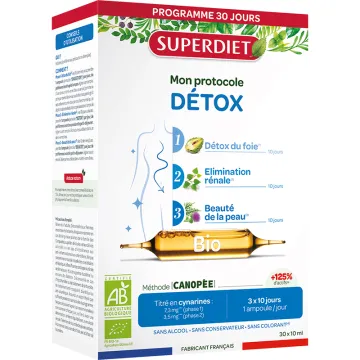
- Draining herbs: birch sap, dandelion, artichoke, black radish—the classics of spring drainage.
- Fresh springpollen: restorative and remineralizing, it provides vitamins, enzymes, and amino acids during this period of biological renewal.
- Prebiotics: Replenish the gut microbiota after winter excesses with prebiotics and fermented foods.
- Diet: seasonal green vegetables (spinach, asparagus, radishes), and cutting back on the sugars and fats accumulated over the winter.
What seasonal regimen should you follow in the summer?
Summer places special demands on circulation, hydration, and sun protection. The priorities:
- Increased hydration (2 to 3 L of water per day) and electrolytes to compensate for fluid loss through sweating.
- Thyme and anti-infective herbs to prevent heat-related digestive infections.
- Antioxidants (lycopene, astaxanthin, vitamin C) to protect the skin from UV rays.
- Circulatory herbs (red vine, horse chestnut) for heavy legs made worse by the heat.
What seasonal regimen should you follow in the fall?
Fall prepares the immune system for winter. It’s the season for building resilience:
- Elderberry: antiviral and immunostimulant, it prepares the body’s defenses against winter viruses.
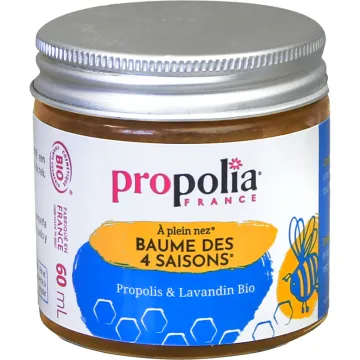
- Propolis: a natural antibacterial and antiviral, particularly recommended for preventing ENT infections.
- Rhodiola: an adaptogen that improves resistance to seasonal stress (returning to work, shorter days, back-to-school blues).
- Vitamin D3: Must be started in September to build up reserves before the period of low sunlight.
- A short liver-cleansing regimen (artichoke, black radish, milk thistle) to eliminate summer toxins before winter.
Fall is also the ideal season to prepare homemade immune-boosting herbal teas made with elderberry, ginger, cinnamon, and lemon—time-honored recipes whose effectiveness has been confirmed by recent studies on elderberries.
What seasonal regimen should you follow in winter?
Winter calls for sustained immune and energy support to combat the cold, lack of sunlight, and viral infections:
- Eleuthero: a tonic adaptogen that supports energy and resistance to infections during prolonged winter periods.
- Propolis, echinacea, and elderberry: the winter antiviral trio, to be tailored according to your symptoms.
- Magnesium, vitamin B6, omega-3: to combat winter fatigue and seasonal blues (SAD—seasonal affective disorder).
- Morning light therapy (20–30 minutes at 10,000 lux) to rebalance melatonin and maintain a positive mood.
- Appropriate probiotics: Winter is associated with frequent dysbiosis (less varied diet, fewer fresh vegetables), which weakens gut immunity.
The winter diet should compensate for the natural reduction in fresh produce: root vegetables (carrots, beets, parsnips), seasonal cabbage, legumes, and nuts are valuable sources of minerals and antioxidants during the cold months.