Seasonal changes represent major physiological transitions—variations in sunlight, temperature, humidity, and pollen levels trigger complex adjustments in the immune system, the endocrine system, and metabolism. Two periods are particularly challenging: spring (March–April), when rising pollen levels coincide with a post-winter immune system reactivation, and fall (September–October), when reduced daylight, a drop in skin-synthesized vitamin D, and the resurgence of respiratory viruses all converge. These transitions manifest as seasonal fatigue, respiratory allergy symptoms, increased susceptibility to ENT infections, and, for some, emotional fragility linked to the shorter daylight hours.
Seasonal allergies —pollen allergy or hay fever —are IgE-mediated hypersensitivity reactions triggered by pollen, mold spores, or seasonal dust mites. The clinical distinction from a viral cold is important: allergies produce bursts of sneezing (>5 in a row), bilateral clear, watery nasal discharge, intense itching of the nose, eyes, and soft palate, no fever, and symptoms that persist as long as the person is exposed to allergens. Allergic rhinitis affects 20–30% of the French population—its prevalence has been increasing for 40 years in conjunction with air pollution (the adjuvant effect of PM2.5 particles on allergic sensitization).
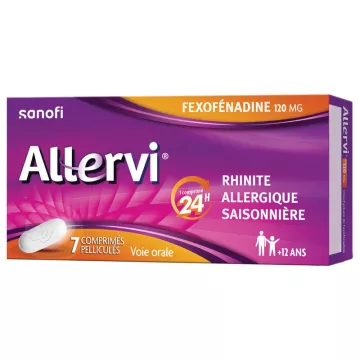
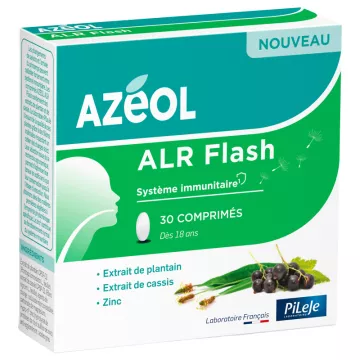
Several plant-based active ingredients have a documented anti-allergic effect without the sedative effects of conventional antihistamines. Plantain (Plantago lanceolata, aucubosides + flavonoids) inhibits the release of histamine by mast cells and basophils, reducing itching and sneezing — Arkogélules Organic Plantain, 45 capsules, taken as a 3-week course before the pollen peak. Quercetinis a flavonoid that stabilizes mast cell membranes, inhibiting degranulation and reducing the release of histamine and leukotrienes. The addition of bromelain improves its bioavailability and enhances its anti-inflammatory action. Allervi and Allercétine+ Lescuyer combine natural antihistamines, vitamin C and zinc, and plant extracts in ready-to-use formulas.
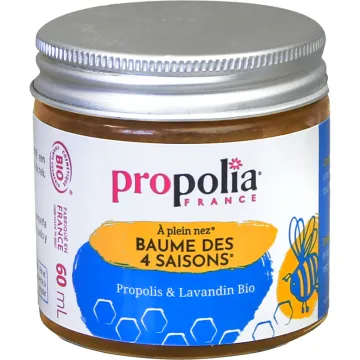
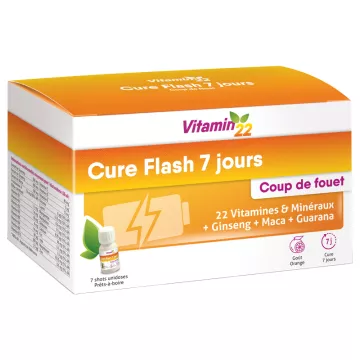
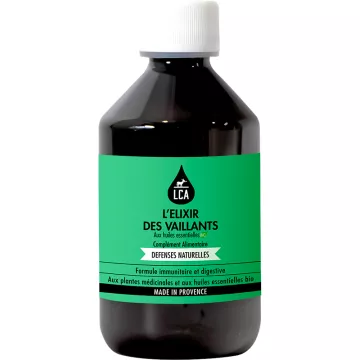
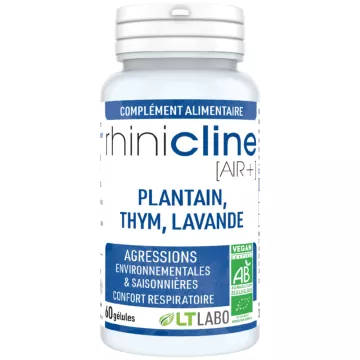
Seasonal changes are ideal times for a detoxification regimen and micronutrient replenishment. Vitamin'22 7-Day Flash Treatment (7 × 30 ml, concentrated multivitamin + adaptogens) is designed for intensive restoration in 7 days—ideal at the start of a season to replenish reserves depleted by the previous season. Propolia Organic 4 Seasons Balm (propolis + herbs + essential oils, 60 ml) protects the mucous membranes and supports the body’s natural defenses during seasonal transitions. Rhinicline LT Labo (60 capsules, plant extracts + vitamins) targets weakened respiratory mucous membranes. LCA Élixir des Vaillants (traditional formula of tonic herbs) supports the transition by boosting energy and overall immune resistance.
The reduction in daylight hours during fall and winter affects the body through several converging pathways. Skin synthesis of vitamin D3 plummets as early as October in temperate latitudes—yet vitamin D3 modulates adaptive immunity, thyroid function, and serotonergic neurotransmission. Melatonin secretion extends as nights grow longer, disrupting the circadian rhythm and leading to increased daytime sleepiness. Serotonin production—which is directly regulated by light—gradually decreases, contributing to Seasonal Affective Disorder (SAD, affecting 5 to 10% of the population in temperate zones). Two interventions have been documented: vitamin D3 (1,500–2,000 IU/day from November to March) and light therapy (10,000-lux lamp, 20–30 minutes in the morning within the first 30 minutes after waking).
Two protocols depending on the season. At the start of spring (March): preventive anti-allergy treatment (plantain + quercetin, 3 weeks before the peak pollen season) + vitamin C (500–1,000 mg/day) + probiotics (modulators of the Th2 allergic response) + liver and lymphatic drainage treatment (5 to 10 days). At the start of fall (October): vitamin D3 (2,000 IU/day, stop in April) + magnesium (300–400 mg/day) + a short-term B-vitamin regimen + an immune-support regimen (propolis + zinc + vitamin C). In both cases, a good night’s sleep (7–9 hours) is the most powerful foundation for navigating seasonal transitions—it determines the quality of the adaptive immune response and the regulation of the HHS axis, which manages adaptation to climate changes.