Rose geranium (Pelargonium graveolens) is now a standard ingredient in high-end natural cosmetics—both in skincare products and in aromatherapy formulations. Its essential oil is listed on ingredient labels as “Pelargonium graveolens leaf oil” or “Pelargonium x asperum herb oil,” depending on the species—a distinction few consumers make, but one that actually affects the product’s profile. Discover our anti-aging skincare line.
Rose Geranium: How to Read Labels Correctly?
Three INCI names, one common name—knowing how to recognize them changes your product choice.
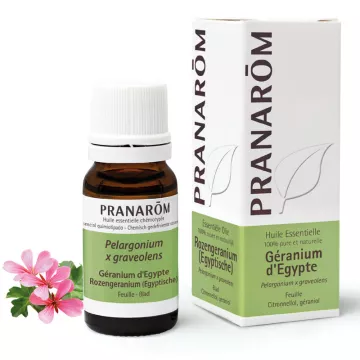
- Pelargonium graveolens leaf oil: classic rose geranium (Morocco, South Africa, Egypt)—composition: 30–45% citronellol + 15–25% geraniol—the most common and affordable
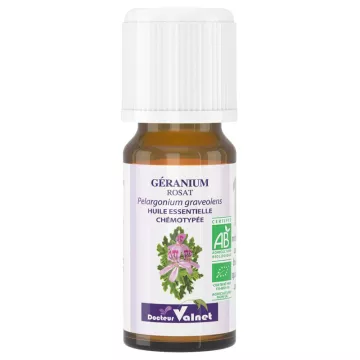
- Pelargonium x asperum herb oil (or “Bourbon”): Bourbon geranium, Réunion Island—higher geraniol content, more floral and rosy notes—premium quality used in perfumery and high-end skincare
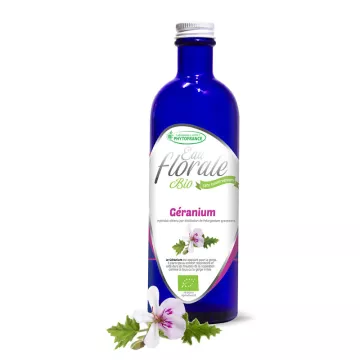
- Pelargonium graveolens flower extract or water: hydrosol or aqueous extract — milder compounds, suitable for formulations without essential oils
- The label “Reunion type” or “Bourbon” on an essential oil guarantees the most floral profile, closest to that of roses—often justifying a 30–50% premium
- Also check the lot number and certificate of analysis (COA) for aromatherapy purchases—guaranteed geraniol and citronellol content
Rose Geranium and Anti-Aging Skincare?
Geraniol is the primary anti-aging active ingredient in rose geranium—a property distinct from citronellol, which is dominant in Egyptian geranium.
- Geraniol stimulates the synthesis of collagen and glycosaminoglycans (including endogenous hyaluronic acid) in the dermis—documented in vitro in fibroblasts
- Homemade anti-aging treatment: 0.5–1% Bourbon rose geranium essential oil in rosehip oil + a few drops of neroli essential oil—regenerating nighttime facial serum
- Store-bought skincare: Look for “Pelargonium graveolens oil” among the first 10 ingredients in a serum or cream—this guarantees an active concentration
- Anti-aging blend: rose geranium + ylang-ylang + neroli — a regenerating and toning floral trio
- See our line of anti-aging serums
Rose geranium and hydrosol: a complete daily skincare routine?
Rose geranium hydrosol is often underestimated compared to the essential oil—unfairly so.
- Hydrosol composition: floral water containing linalool, traces of geraniol, and water-soluble phenylpropanoid compounds—a gentler profile, with no risk of sensitization
- Universal facial toner: spray onto the face in the morning after cleansing—for combination, sensitive, or oily skin
- Quick mask: Soak a cotton pad in geranium hydrosol and place it on the face for 10 minutes—provides a gentle firming effect with a fresh rose scent
- Base for DIY Cosmetic Formulations: Replaces water in homemade emulsions, creams, and lotions—delivers the benefits of geranium without diluting the essential oil
- Store in the refrigerator after opening—best before 6 months to 1 year
Rose Geranium and Women’s Well-Being?
Its geraniol-citronellol profile influences the female hormonal axis—a well-established traditional use that should be approached with discernment.
- Abdominal massage application at 2–3% in a vegetable oil: supports comfort during discomforts related to the menstrual cycle—the esters and monoterpenols relax smooth muscles
- Diffusion for 15–20 minutes: supports emotional balance during periods of hormonal imbalance (PMS, perimenopause)
- Hormone-dependent cancers (breast, uterus, ovaries) and ongoing hormone treatments: medical advice is essential before any prolonged use
- Phytotherapy combination: to be supplemented with specific dietary supplements (evening primrose oil, isoflavones) under medical supervision
Precautions and quality?
- Pregnant and breastfeeding women: not recommended—monoterpenols may affect hormonal activity
- Allergy to Geraniaceae or terpenic alcohols: Perform a skin test before any extensive topical use
- Citronellol and geraniol: both listed as potential allergens under EC Regulation 1223/2009—dilute to 1–3% for topical use
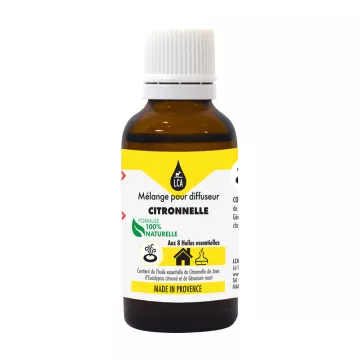
- Quality: Choose chemotyped essential oil (COA specifying geraniol and citronellol content), organic, in a tinted glass bottle, with a best-by date indicated