0
Menu

Revitalizing treatment: radiance, firmness, and skin comfort

Filter
Number of products : 5
Sort
Sort
Close
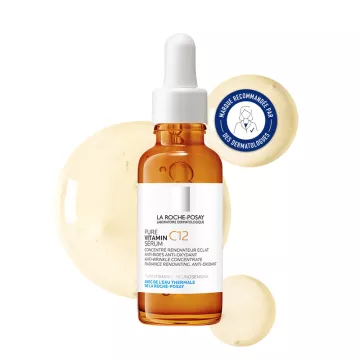
La Roche-Posay Pure Vitamin C12 Serum 30 ml La Roche-Posay Pure Vitamin C12 Serum 30 ml
€39.90
Shipped within 24h
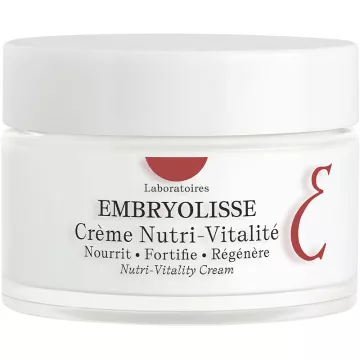
Embryolisse Nutri Vitality Cream 50 ml Embryolisse Nutri Vitality Cream 50 ml
€35.90
Shipped within 24h
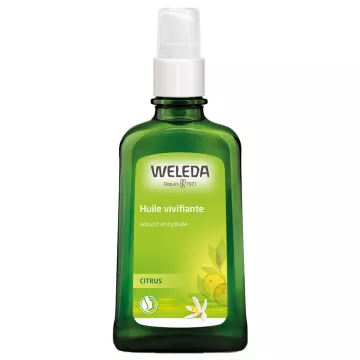
Weleda Citrus Invigorating Oil 100 ml Weleda Citrus Invigorating Oil 100 ml
€16.90
Shipped within 24h
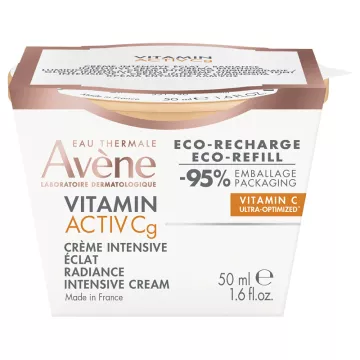
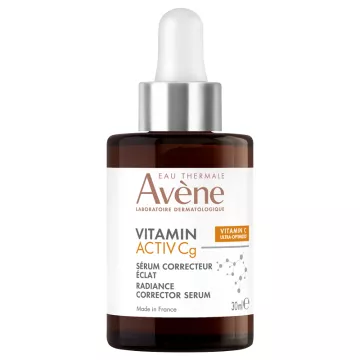
Avene Vitamin Activ Cg Radiance Corrector Serum 30 ml Avene Vitamin Activ Cg Radiance Corrector Serum 30 ml
€35.90
Shipped within 24h

What is a revitalizing treatment?

A revitalizing treatment is a cosmetic product designed to support the hydration, nourishment, and natural regeneration of the skin or hair.

It provides active ingredients and lipids similar to those found in the skin barrier, which can be weakened by external aggressors (UV rays, pollution, wind, cold), stress, lack of sleep, an unbalanced diet, or inappropriate skincare products.

Revitalizing treatments come in several formulations: creams, serums, masks, oils, mists, and toners.

Why use a revitalizing skincare product?

The skin is the body’s largest organ and the first line of defense against external aggressors.

A revitalizing skincare product can visibly improve several aspects of skin quality: maintaining proper hydration, visually reducing the signs of aging, and supporting skin texture and suppleness.

Well-hydrated and nourished skin appears more supple and rested, and feels more comfortable day to day.

For skin conditions (eczema, rosacea, atopic dermatitis, psoriasis), a dermatologist’s consultation is recommended before introducing a new active skincare product.

What are the key ingredients in an effective revitalizing skincare product?

Several active ingredients characterize a high-performance revitalizing skincare product:

  • Antioxidants (vitamin E, polyphenols, green tea) to help protect against free radicals.
  • Vitamin C: evens out the complexion and promotes radiance. May cause photosensitivity; store away from light.
  • Hyaluronic acid: a major humectant capable of retaining up to 1,000 times its weight in water.
  • Nourishingplant oils such asargan, jojoba, or sweet almond.
  • Peptides, niacinamide, panthenol: soothing active ingredients that visibly support firmness.

Check the full INCI list to identify any known allergens.

How do I choose the right revitalizing treatment for my skin type?

Choosing a moisturizer depends on your skin type and specific needs:

  • Dry skin: formulas rich in plant oils, ceramides, plant butters, and glycerin.
  • Oily or combination skin: lightweight formulas, non-comedogenic gel-creams, dry oils (jojoba, squalane).
  • Sensitive or reactive skin: hypoallergenic formulas that are fragrance-free, denatured alcohol-free, and have a simplified ingredient list.
  • Mature skin: Formulas enriched with peptides, retinol (at night, SPF the next day), and antioxidants.

The term “hypoallergenic”: for informational purposes only; always check the full INCI list and perform a 48-hour patch test on the inner elbow.

What is the ideal frequency for applying a revitalizing skincare product?

The frequency of application depends on the type of product and skin sensitivity.

Revitalizing creams and lotions: daily, morning and/or evening, as part of a regular routine.

Revitalizing serums: morning and evening for gentle formulas; 2 to 3 times a week for formulas with potent active ingredients (retinol, exfoliating acids), introduced gradually.

Moisturizing masks: 1 to 3 times a week, depending on your needs and skin condition.

To maximize benefits: apply the product in the evening, when the skin is naturally regenerating.

Can multiple revitalizing treatments be combined?

Multiple revitalizing treatments can be combined in a single routine, provided you follow a few guidelines.

Apply from the lightest to the richest texture: essence → serum → cream → oil/balm.

Certain combinations should be avoided in the same routine to preserve the effectiveness of the active ingredients:

  • Pure vitamin C (ascorbic acid) + retinol: very different pH levels, which can reduce each other’s effectiveness; use them on alternate mornings and evenings.
  • AHA/BHA + retinol simultaneously: risk of cumulative irritation; alternate on alternate nights.
  • Niacinamide + very high-concentration vitamin C: a 30-minute application interval is recommended.

If in doubt or if irritation occurs, consult a dermatologist who can help you structure your routine.

What are the long-term benefits of regular use of a revitalizing treatment?

Regular use of a revitalizing skincare product can visibly improve several aspects of skin quality:

  • Enhanced radiance and luminosity of the complexion.
  • Visually reduces the appearance of wrinkles and fine lines.
  • Helps maintain skin hydration and comfort.
  • Improved skin texture: skin feels softer and more supple.
  • Visibly strengthens the skin’s barrier function against external aggressors.
  • Visually evens out the complexion.

Consistency is more important than intensity: it generally takes at least 4 to 12 weeks to see noticeable results.

Revitalizing treatment or moisturizing treatment?

Revitalizing and moisturizing treatments serve distinct yet complementary purposes:

  • Moisturizing treatment: delivers water to the surface layers of the skin via humectants (hyaluronic acid, glycerin, urea).
  • Revitalizing treatment: broader action including antioxidants, vitamins, peptides, and sometimes nourishing lipids; overall visual improvement in skin quality.

Both can be part of the same routine: the moisturizer lays the foundation; the revitalizing treatment more specifically targets radiance, firmness, or visual correction.

Are revitalizing treatments suitable for all ages?

Revitalizing skincare can be beneficial at any age, with needs that evolve over time:

  • Teens and young adults: focus on skin balance, hydration, and sun protection; avoid overly potent active ingredients.
  • Ages 25–40: prevention, antioxidants (vitamin C), and sustained hydration.
  • Ages 40 and up: Formulas enriched with peptides, retinol, hyaluronic acid of varying molecular weights, and ceramides to visibly support firmness and suppleness.
  • Mature and aging skin: Focus on skin comfort, lipid nutrition, and enhanced sun protection.

Always tailor your routine to your skin type and current skin concerns.

Should a revitalizing treatment be part of your daily routine?

To effectively incorporate a revitalizing treatment into your daily routine:

  1. Remove makeup and gentlycleanse according to your skin type.
  2. Usea toner or mist to prepare the skin (optional).
  3. A revitalizing serum tailored to your current needs (radiance, hydration, anti-aging).
  4. A moisturizing cream or lotion suited to your skin type.
  5. Apply sunscreen with an SPF of at least 30 every morning (SPF 50 for skin with dark spots or undergoing active treatments).
  6. Revitalizing masks 1 to 3 times a week, as an occasional supplement.

Customize your routine according to the seasons (richer formulas in winter, lighter ones in summer).

Can a revitalizing treatment replace an anti-aging treatment?

A revitalizing treatment and an anti-aging treatment are often complementary rather than interchangeable.

A revitalizing treatment may contain anti-aging active ingredients (peptides, antioxidants, retinol) but more broadly targets overall skin quality (radiance, hydration, comfort).

A dedicated anti-aging treatment focuses specifically on the signs of aging: wrinkles, loss of firmness, dark spots, and perceived loss of density.

Cosmetics provide visual support but do not “fill in” deep wrinkles or replace aesthetic medical procedures (injectable hyaluronic acid, lasers, medical peels) when such procedures are indicated.

Are there specific revitalizing skincare products for men?

Several product lines offer specific revitalizing skincare for men, whose skin has certain distinctive characteristics:

  • Skin that is often thicker and more prone to seborrhea.
  • Increased sensitivity after shaving (micro-cuts, redness, burning sensation).
  • Skin aging begins later but is often more pronounced once it sets in.
  • Frequent susceptibility to blemishes, rosacea, and diffuse redness.

Opt for soothing formulas (panthenol, allantoin, niacinamide, aloe vera) that do not contain high concentrations of denatured alcohol, with post-shave healing ingredients if necessary.

As with any skincare product, choosing one suited to your skin type and specific concerns remains the rule.