


0
Menu

Understanding and Managing Renal Colic Naturally

Filter
Number of products : 16
Sort
Sort
Close
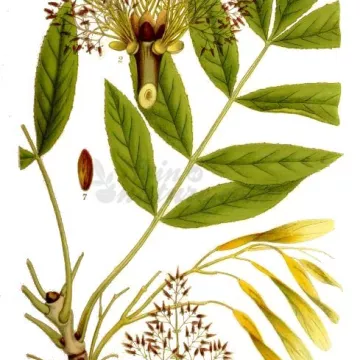
Ash Leaf Tigette cut Iphym Herbalism Fraxinus excelsior L. Ash Leaf Tigette cut Iphym Herbalism Fraxinus excelsior L.
100 g 250 g +
€13.46
Add to cart
Usually ships in 5-7 business days
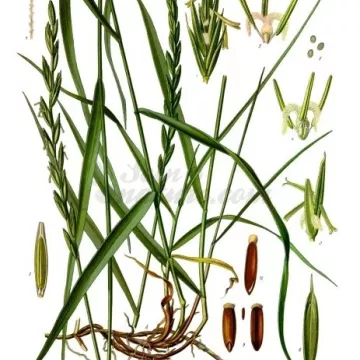
Quackgrass Small cut rhizome Iphym Herboristerie Agropyron repens Quackgrass Small cut rhizome Iphym Herboristerie Agropyron repens
100 g 250 g +
€12.23
Add to cart
Usually ships in 5-7 business days
MAGNESIA PHOSPHORICA 6DH homeopathic granules Boiron MAGNESIA PHOSPHORICA 6DH homeopathic granules Boiron
€2.99
Shipped within 24h
Pareira BRAVA 5C 4C 7C 9C homeopathic pellets Boiron Pareira BRAVA 5C 4C 7C 9C homeopathic pellets Boiron
4 C Tube 80 granules 4 g. +
€2.99
Add to cart
In stock - preparation within 1 to 2 working days
ATROPINUM SULFURICUM pellets Boiron homeopathy ATROPINUM SULFURICUM pellets Boiron homeopathy
4 C 5 C +
€6.99
Add to cart
In stock - preparation within 1 to 2 working days
Atropinum 5C 15C homeopathic pellets Boiron Atropinum 5C 15C homeopathic pellets Boiron
5 C 15 C +
€2.99
Add to cart
In stock - preparation within 1 to 2 working days
RUBIA TINCTORIA pellets Boiron homeopathy RUBIA TINCTORIA pellets Boiron homeopathy
7 C Tube 80 granules 4 g. +
€2.99
Add to cart
In stock - preparation within 1 to 2 working days
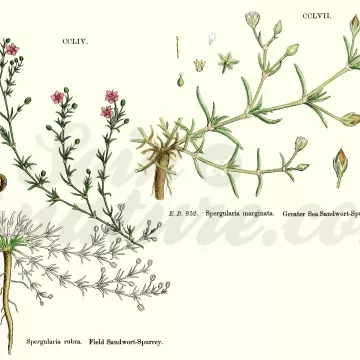
Arenaria rubra (Sabline) Cut plant Iphym Herboristerie Arenaria rubra (Sabline) Cut plant Iphym Herboristerie
100 g 250 g +
€10.99
Add to cart
Ships in 5-7 business days
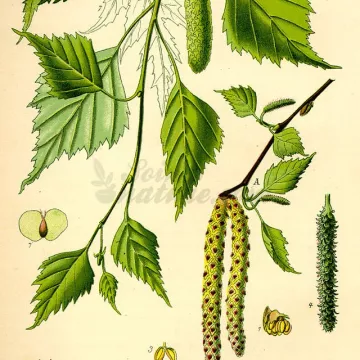
Birch Cut leaf Iphym Herbalism Betula alba L. Birch Cut leaf Iphym Herbalism Betula alba L.
100 g 250 g +
€7.89
Add to cart
Sent in 5 in 7 working days
Lithium carb 15C 9C Dose homeopathy Boiron Lithium carb 15C 9C Dose homeopathy Boiron
9 C 15 C +
€2.79
Add to cart
In stock - preparation within 1 to 2 working days
OCIMUM CANUM  pellets Boiron homeopathy OCIMUM CANUM pellets Boiron homeopathy
15 C 9 C +
€2.99
Add to cart
In stock - preparation within 1 to 2 working days
ERYNGIUM AQUATICUM pellets Boiron homeopathy ERYNGIUM AQUATICUM pellets Boiron homeopathy
4 C 5 C +
€2.99
Add to cart
In stock - preparation within 1 to 2 working days

What is renal colic?

Renal colic is a sudden, intense pain in the lower back caused by a kidney stone blocking the urinary tract. Dilation of the kidney upstream triggers a particularly sudden pain, often described as one of the most intense pains imaginable (HAS and AFU recommendations).

It occurs within a few minutes, without any identifiable trigger, and constitutes a medical emergency requiring prompt treatment. Additional resources are available for kidney stones in general.

How can it be recognized?

Several characteristic signs point to the diagnosis:

  • Sudden, intense,unilateral lower back pain radiating to the lower abdomen, groin, or genital area
  • Restlessness: the patient searches in vain for a position that provides relief
  • Frequent urge to urinate, sometimes with cloudy or pink-tinged urine (hematuria)
  • Nausea and vomiting are frequently associated
  • Sweating, pallor, and sometimes abdominal distension

The absence of a fever does not rule out a serious condition; however, a fever, chills, or signs of sepsis require urgent medical attention (call 15 or 112).

What emergency measures should be taken?

When an episode occurs, several steps are necessary:

  • Seek emergency care or call 15 for an evaluation
  • Moderate fluid restriction during the attack (contrary to popular belief: drinking too much increases pain)
  • Nonsteroidal anti-inflammatory drugs (NSAIDs), if there are no contraindications, as prescribed by a doctor
  • Antispasmodics as prescribed
  • Applylocal heat to the lower back (warm hot water bottle)

Self-medication with NSAIDs in older adults, people with diabetes, patients with kidney failure, or those taking anticoagulants or corticosteroids requires strict medical supervision. Specific resources are available for pain management andkidney failure in general.

How can recurrences be prevented?

After an initial episode, the risk of recurrence reaches 50% within 5 years, according to AFU recommendations. Several measures can reduce this risk:

  • Adequate hydration: 2 to 2.5 L of water per day, spread out over 24 hours; clear urine is an indicator
  • Salt reduction: less than 6 g/day, as recommended
  • Moderate protein intake (1 g/kg/day), limiting excessive animal protein
  • Limiting foods high in oxalates in cases of oxalate stones (spinach, rhubarb, Swiss chard, dark chocolate, nuts, strong tea) as advised by a doctor
  • Normal calcium intake (800–1,000 mg/day): calcium restriction paradoxically increases the risk
  • Sufficient amounts offruits and vegetables (promotes urinary alkalization)
  • Regular physical activity; weight management

An analysis of the recovered stone allows for precise tailoring of preventive measures. Specific resources are available regardinghydration and magnesium in general.

When should you seek immediate medical attention?

Several situations require urgent medical attention, or even a call to 15:

  • Fever over 38 °C with chills (pyelonephritis, a medical emergency)
  • Anuria (absence of urine) or a single kidney
  • Unbearable pain that does not respond to pain medication
  • Uncontrollable vomiting preventing hydration
  • Pregnancy, diabetes, kidney failure, immunosuppression
  • Painpersisting beyond 48 to 72 hours

The emergency physician evaluates the patient, orders tests (blood tests, urine culture, ultrasound, or CT scan), and refers the patient to a urologist as appropriate (extracorporeal shock wave lithotripsy, ureteroscopy). Your licensed pharmacist remains a valuable resource for guiding daily preventive measures and identifying warning signs, in addition to urological follow-up. Specific resources are available for cystitis in general.