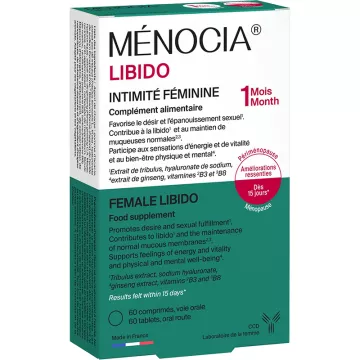
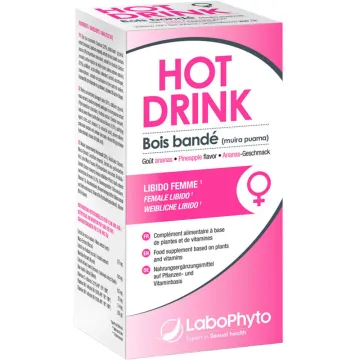
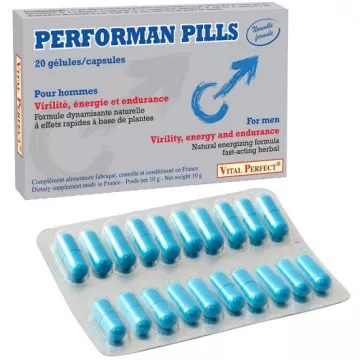
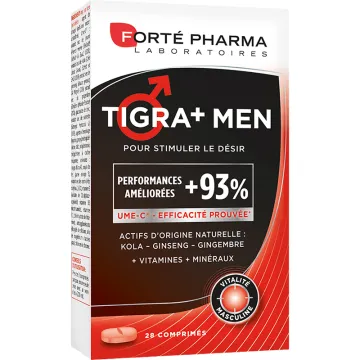
What is a decreased sex drive, and what causes it?
A decrease in libido affects 1 in 3 women and 1 in 5 men at some point in their lives. Its causes are multifactorial:
- Hormonal causes: a drop in testosterone (men) or in estrogen and testosterone (women during menopause, postpartum, or while taking hormonal birth control), hypothyroidism, and hyperprolactinemia. A hormonal evaluation is recommended in cases of persistent low libido.
- Medication-related causes: SSRI antidepressants, antihypertensives, oral contraceptives. A medical evaluation is essential if a medication is suspected to be the cause.
- Psychological causes: chronic stress, depression, anxiety, negative body image, relationship conflicts. A consultation with a sex therapist or psychologist is recommended.
- Nutritional causes: deficiencies in iron, magnesium, zinc, and vitamins B and D3; lack of sleep; a sedentary lifestyle; excessive alcohol consumption.
Does saffron improve sexual desire in women and men?
Saffron (30 mg/day) is the plant-based active ingredient with the best clinically documented effect on libido. Its crocins inhibit the reuptake of serotonin, dopamine, and norepinephrine, directly modulating sexual desire. It also improves erectile function and lubrication via nitric oxide. Two randomized clinical trials (Kashani, 2013; Modabbernia, 2012) show an improvement in sexual function in patients taking SSRIs after 4 weeks. Contraindicated during pregnancy; do not combine with SSRIs without medical advice.
Tryptophan and Vitamin B6: Libido, Serotonin, and Contraception?
Tryptophan (500 mg to 2 g/day at bedtime) improves sleep quality via melatonin and restores serotonin reserves—beneficial for libido in cases of mild depression without ongoing treatment. Vitamin B6 is a cofactor in the synthesis of serotonin and dopamine. Deficiency is common among women taking oral contraceptives (the pill significantly increases B6 requirements)—an underestimated factor in iatrogenic libido decline among women on estrogen-progestin combinations.
Magnesium and iron: two common deficiencies that lower libido?
Two often-overlooked nutritional deficiencies can cause a decrease in libido:
- Magnesium: A deficiency is associated with anxiety, insomnia, and fatigue—three major factors contributing to a decreased libido. It modulates the HPA axis, reducing cortisol (an antagonist of testosterone). Studies show that supplementation (300 to 400 mg/day) improves testosterone levels in men with a deficiency.
- Iron: Subclinical iron-deficiency anemia (low ferritin without overt anemia) is a common and underdiagnosed cause of fatigue and decreased libido in women of childbearing age. A ferritin test is recommended in cases of unexplained chronic fatigue and decreased libido.
Does fenugreek boost libido in men and women?
Fenugreek (Trigonella foenum-graecum, 600 mg/day of standardized extract) contains protodioscins, which stimulate testosterone production. Two controlled clinical trials document its effect:
- In men: A randomized study (Steels, 2011) showed a significant improvement in libido, energy, and sexual satisfaction after 6 weeks.
- In women: A randomized study (Rao, 2015) showed an increase in desire and arousal after 8 weeks.
Avoid during pregnancy (uterotonic properties) and when taking anticoagulant medication.
Lifestyle, Sleep, and Stress: The Foundations of Libido
Lifestyle factors have a more profound impact than any supplement:
- Sleep quality: a 5-night sleep deficit reduces testosterone levels by 10 to 15% in men. Women also experience a drop in desire after chronic sleep deprivation.
- Physical activity: Resistance training increases testosterone levels by 20 to 30% after 12 weeks. Aerobic activity improves pelvic blood flow and reduces cortisol.
- Stress management: Cortisol is testosterone’s main antagonist because it competes for pregnenolone. Cardiac coherence and mindfulness meditation are recommended.
- Limiting alcohol: Alcohol reduces testosterone levels even with just 2 to 3 drinks per evening and disrupts sleep cycles.