Puffy eyes in the morning result primarily from the redistribution of fluids while lying down—since gravity is no longer drawing fluids downward, they accumulate in areas with loose connective tissue, including the suborbital region. Three main mechanisms are at play: fluid retention linked to excess dietary sodium (each gram of NaCl retains 100 ml of water in the tissues), a nocturnal allergic reaction to dust mites (IgE-mediated, mast cell degranulation during sleep), and inflammation linked to sleep deprivation (increased IL-6 and TNF-α after just one night of insufficient sleep). Each mechanism points toward a different solution.
Dandelion (Taraxacum officinale) inhibits tubular sodium reabsorption while preserving potassium (potassium-sparing diuretic), increasing urinary excretion by 30 to 50 percent according to clinical studies—an effect validated by ESCOP for edema in areas with loose tissue.Artichoke (Cynara scolymus, cynarin) stimulates hepatic drainage—optimal liver function reduces systemic fluid retention by improving albumin production, which maintains vascular oncotic pressure.
Potassium is the natural antagonist of sodium in regulating fluid and electrolyte balance. An intake of 3,500 to 4,700 mg/day (WHO recommendation) promotes urinary excretion of sodium via the renal Na⁺/K⁺ pump, reducing peripheral fluid retention. In practice: reducing dietary salt in the evening (it is redistributed during sleep) and increasing potassium-rich foods (bananas, avocados, legumes) reduces recurrent morning swelling.
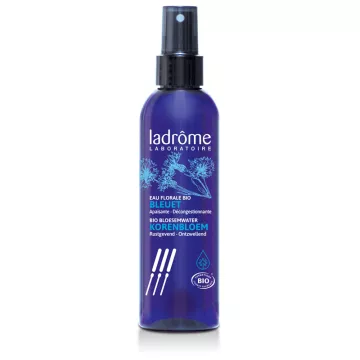
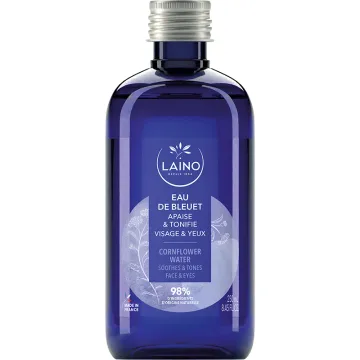
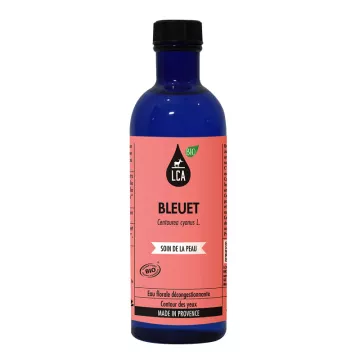
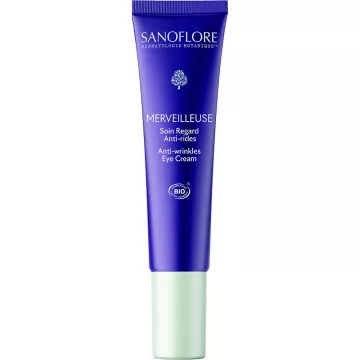
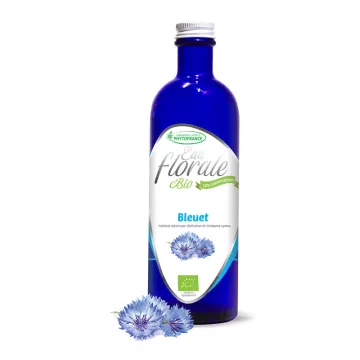
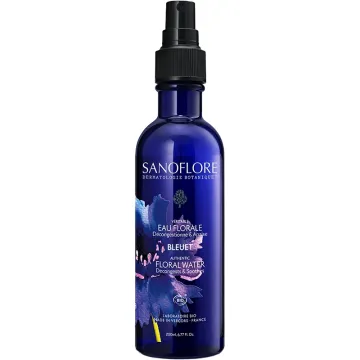
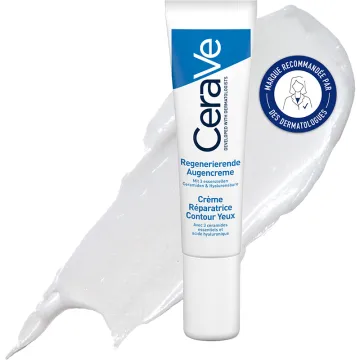
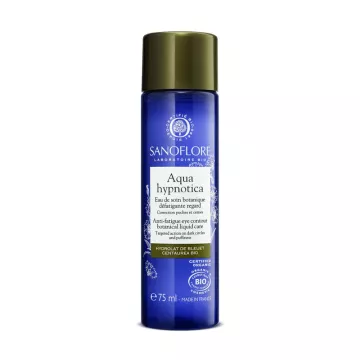
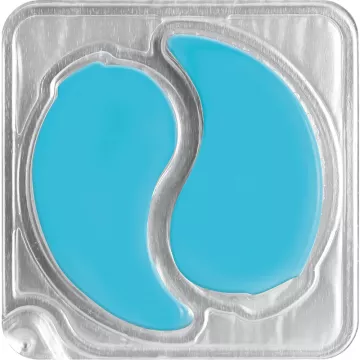
Two documented topical formulations. Cornflower floral water (Centaurea cyanus, pH 4.5–5) applied as a refrigerated cold compress (soaked cotton pad, 5–10 minutes) combines the vasoconstrictive effect of cold with the toning and astringent action of its tannins on superficial microcirculation. Hydrogel eye patches (Klorane Organic Cornflower + AH) gradually release their active ingredients over 15 to 20 minutes while maintaining a cooling sensation—their draining and smoothing effects are clinically documented. For comprehensive eye contour care, creams containing caffeine and ginkgo complement the action of the compresses.
Sleep deprivation increases periorbital capillary permeability via histamine and nocturnal pro-inflammatory interleukins, exacerbating fluid accumulation. Sleeping in an elevated position (with a thick pillow) promotes gravitational drainage of suborbital fluids. Sleep quality also influences the recovery of periorbital lymphatic drainage —which is primarily active during deep sleep phases. For people suffering from chronicinsomnia, treating the underlying cause of the sleep disorder is the most effective preventive measure against recurrent puffy eyes.
Three evening routines significantly reduce morning puffiness. Limiting dietary salt after 6 p.m. (goal: less than 2 g of NaCl at dinner) reduces nighttime fluid redistribution. Avoid alcohol in the evening (it acts as a vasodilator and a paradoxical diuretic, which worsens cellular dehydration and interstitial edema). Thoroughly remove eye makeup—makeup residue increases conjunctival and eyelid permeability overnight. As a final step, apply a lightweight eye cream (hyaluronic acid or blueberry gel) using gentle tapping motions that mechanically stimulate lymphatic drainage from the periorbital areas toward the preauricular lymph nodes.