What is puberty, and how does it occur?
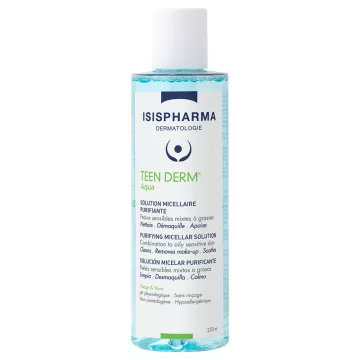
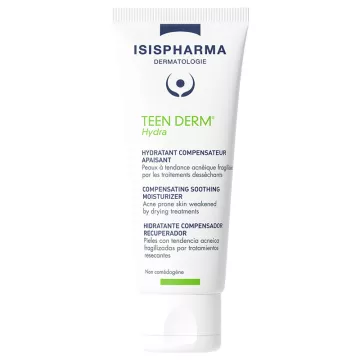
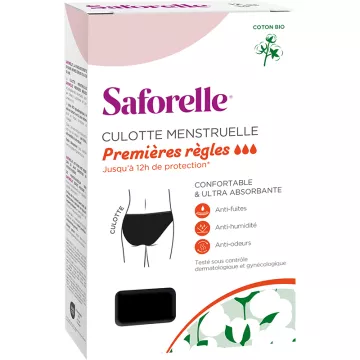
Puberty is the period of physical and hormonal development that marks the transition from childhood to adulthood. Triggered by the hypothalamic-pituitary-gonadal axis, it results in the appearance of secondary sexual characteristics and the maturation of the reproductive system. According to the recommendations of the French Society of Pediatric Endocrinology, it begins on average between the ages of 9 and 14 in girls and between 10 and 15 in boys, with significant individual variations. Discover our products tailored for teens in our acne care line and our intimate hygiene and protection solutions.
- Tanner stages: a medical classification into 5 progressive stages—stage 1 (prepubertal) → stage 5 (full adult development) — each stage is defined by specific criteria (testicular volume, breast development, pubic hair) — used by pediatricians to assess whether development is normal
- In girls: begins with breast development (thelarche) — followed by pubic and underarm hair growth — followed by a growth spurt — followed by the first menstrual period (menarche), on average at age 12–13 — total duration 2–5 years — the first menstrual periods may be irregular for 1–2 years, which is normal
- In boys: begins with an increase in testicular volume — followed by penis development — then pubic, underarm, and facial hair — then voice change (the larynx grows) — followed by a growth spurt (which occurs later and is more pronounced than in girls) — total duration 3–5 years
- Precocious puberty: signs before age 8 in girls or age 9 in boys—may result in reduced adult height (premature fusion of growth plates) and psychological difficulties—specialized pediatric consultation required for hormonal and bone evaluation (radiological bone age)
- Delayed puberty: absence of signs by age 14 — may be constitutional (simple delay without pathology, often familial) or related to an endocrine, nutritional, or genetic disorder — medical evaluation is essential
Hormonal Effects, Skin, and Hygiene During Puberty
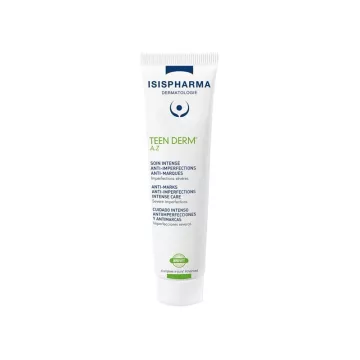
- Pubertal acne: increased androgens stimulate the sebaceous glands → excess sebum + follicular keratinization → open comedones (blackheads) and closed comedones (whiteheads) → secondary infection caused by Cutibacterium acnes → papules and pustules — affects 85% of adolescents to varying degrees — do not squeeze pimples (risk of scarring and secondary infection) — discover our skincare products in our facial acne line
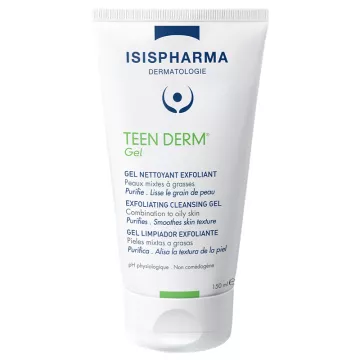
- Recommended skincare routine: a gentle, non-comedogenic cleanser morning and night — a lightweight moisturizer free of mineral oil — sunscreen with at least SPF 30 (acne treatments increase photosensitivity) — In cases of persistent moderate to severe acne, consult a dermatologist for appropriate treatment (benzoyl peroxide, topical retinoids, topical antibiotics)
- Sweating and body odor: activation of the axillary apocrine glands due to androgens → new odors — shower daily and use a suitable deodorant or antiperspirant — find our solutions in our intimate hygiene line
- First Periods and Menstrual Hygiene: The first period can be surprising and requires supportive care — internal and external sanitary products available based on preference — menstrual cramps (dysmenorrhea) are common among teenage girls — ibuprofen as a first-line treatment (no aspirin) — If pain is severe enough to interfere with daily life, consult a gynecologist to rule out early-stage endometriosis
- Essential oils and mild acne: Diluted tea tree essential oil (2%) has documented antibacterial properties against C. acnes — Find our formulas in our acne essential oil line — Never apply undiluted essential oil to the face — Not recommended for children under 12
Nutrition, Sleep, and Mental Well-Being During Puberty
- Calcium and Vitamin D3: Puberty is the period of peak bone formation—40% of adult bone mass is built during adolescence—recommended intakes: calcium 1,200 mg/day (ages 13–18) + vitamin D3 800–1,000 IU/day — sources: dairy products, green vegetables, sardines with bones, calcium-fortified water + sun exposure
- Iron for adolescent girls: The onset of menstruation increases iron requirements (RDA 16–18 mg/day for girls) — iron deficiency is very common among adolescent girls, especially vegetarians — signs: fatigue, decreased concentration, pale complexion — ferritin testing recommended starting in the first few years of menstruation
- Sleep and circadian rhythm: puberty biologically shifts the time of falling asleep by 1–2 hours (circadian phase delay) — adolescents need 8–10 hours of sleep — sleep deprivation worsens acne, mood disorders, and academic difficulties—check out our tips on our sleep page
- Mental health and emotional instability: Hormonal fluctuations (estrogen, progesterone, testosterone) directly affect the emotional circuits of the maturing brain—irritability, sadness, and a desire for independence are normal manifestations—persistent depression, an eating disorder, or self-harming behaviors require immediate professional intervention
- Physical activity: essential during puberty for bone mineralization (weight-bearing sports: running, dancing, team sports), mood regulation, and weight management—60 minutes of moderate-to-vigorous activity per day is recommended—intensive high-level sports can delay puberty in girls (athlete’s amenorrhea)