Psychological Functions: Which Nutrients Support Them?
Psychological functions refer to all higher mental abilities: mood, emotional regulation, stress resilience, motivation, attention, and creativity. These functions rely on neurotransmitter systems whose synthesis depends directly on micronutrient intake:
- Serotonergic: regulates mood, sleep, and appetite. Its synthesis requires tryptophan, vitamin B6, zinc, and magnesium.
- Dopaminergic: regulates motivation, pleasure, and concentration. Its synthesis requires tyrosine, vitamins B6 and B12, iron, and folic acid.
- Noradrenergic: regulates alertness, attention, and the stress response. Its synthesis depends on dopamine and vitamin C.
- GABAergic: the brain’s primary inhibitory system. GABA synthesis depends on glutamate and vitamin B6.
Tryptophan and Vitamin B6: Support for Emotional Balance?
Tryptophan is the essential dietary precursor of serotonin. Its conversion to 5-HTP requires tryptophan hydroxylase, an enzyme for which vitamin B6 (pyridoxal-5-phosphate, P5P) serves as a cofactor. A vitamin B6 deficiency reduces this conversion even when tryptophan intake is sufficient. Clinical data on tryptophan (1 to 3 g/day at bedtime) show improvements in mood, sleep, and stress resilience. Vitamin B6 (50 mg/day in the form of P5P) improves premenstrual syndrome symptoms, according to meta-analyses.
Does vitamin D3 influence psychological functions?
Vitamin D3 is an active neuromodulator: its receptor (VDR) is present in the hippocampus and the prefrontal cortex. It activates the TPH2 gene (tryptophan hydroxylase 2), increasing serotonin production in the brain, and reduces microglial inflammation by inhibiting NF-kB. Recent meta-analyses (2020–2023) confirm a significant association between vitamin D deficiency and the risk of depression, with significant effects of supplementation on mild to moderate depressive symptoms.
Do omega-3 EPA fatty acids affect mood and mental health?
Omega-3 EPA fatty acids are the ones with the best-documented effects on mood:
- EPA > DHA for mood: Formulas rich in EPA (>60% of total omega-3) have a significant antidepressant effect in mild to moderate depression, according to meta-analyses.
- Mechanisms: EPA inhibits pro-inflammatory cytokines (IL-6, TNF-α) involved in “inflammatory depression” and modulates the sensitivity of serotonergic and dopaminergic receptors.
- Recommended dose for mood: 1 to 2 g/day of EPA, ideally with meals.
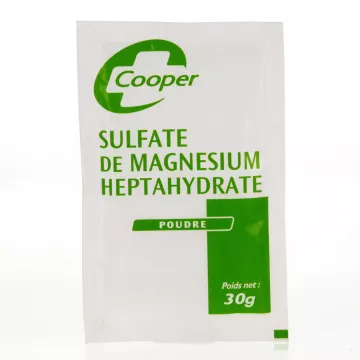
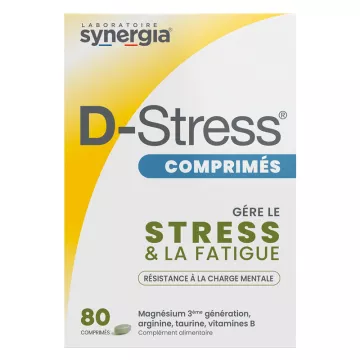
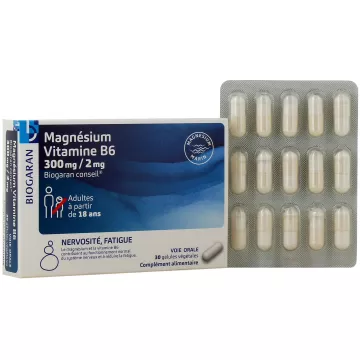
Does magnesium support psychological functions?
Magnesium is the best-documented anti-stress mineral for its psychological effects:
- Modulation of NMDA receptors: reduces neuronal hyperexcitability associated with chronic stress.
- Regulation of the HPA axis: a deficiency increases stress reactivity and cortisol release.
- GABA synthesis: a cofactor for glutamate decarboxylase. A deficiency reduces GABAergic tone, promoting anxiety and irritability.
Meta-analyses confirm the effectiveness of magnesium supplementation (300 to 400 mg/day) for mild to moderate anxiety, with a dose-dependent effect.
Does mental focus depend on these nutrients?
Mental focus is directly linked to the balance of cognitive neurotransmitters:
- Ginkgo biloba improves cerebral microcirculation and inhibits the breakdown of acetylcholine (a neurotransmitter involved in concentration and memory).
- Caffeine + L-theanine (from green tea): a documented synergy for improving sustained attention and processing speed without anxiety.
- Vitamin B12 and folic acid: a deficiency in these reduces neuronal methylation, which is essential for neurotransmitter synthesis.