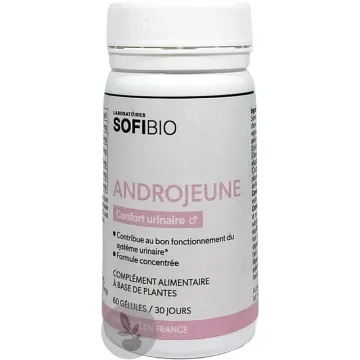
Prostatic Congestion: Definition and Symptoms
Prostatic congestion (chronic nonbacterial prostatitis, chronic pelvic pain syndrome—CPPS according to the NIH classification) accounts for 90% of prostatitis cases. It differs from bacterial prostatitis in that no identifiable pathogen is present. Its symptoms include:
- Chronic pelvic pain (perineum, scrotum, base of the penis, suprapubic region) lasting more than 3 months.
- Urinary symptoms: dysuria, pollakiuria, sensation of incomplete bladder emptying.
- Pain during or after ejaculation.
- Psychological impacts: anxiety, sleep disturbances, and reactive depression related to the chronic nature of the condition.
The diagnosis is made by process of elimination—after ruling out a bacterial infection, urinary stones, a bladder disorder, or prostate cancer. A comprehensive medical evaluation by a urologist is essential before any treatment begins.
Do lycopene and zinc protect the prostate?
Two micronutrients have the strongest epidemiological evidence regarding prostate health:
- Lycopene (cooked tomatoes, olive oil): accumulates in the prostate at concentrations 10 times higher than in other tissues. Meta-analyses show a significant inverse association between lycopene intake and the risk of prostate cancer. Mechanism: reduction of oxidative stress in prostate epithelial cells and modulation of IGF-1 pathways.
- Zinc: The prostate is the organ with the highest zinc content in the body (concentrations 10 times higher than in other tissues). It inhibits 5α-reductase (an enzyme that converts testosterone into DHT, a stimulant of prostate growth) and has direct anti-inflammatory effects on prostate cells.
Selenium and Vitamin D3 Against Prostate Inflammation?
Two active ingredients that act on inflammation and prostate cell proliferation:
- Selenium (100 to 200 µg/day of selenium methionine): a cofactor of glutathione peroxidase that protects prostate cells against oxidative stress. Selenium deficiency is associated with increased levels of prostate inflammatory biomarkers (IL-6, TNF-α). Prudent supplementation (55 to 200 µg/day) remains important for preventing deficiency.
- Vitamin D3: Its VDR receptor is present in prostate cells and modulates their differentiation. Cohort studies show an association between vitamin D3 deficiency (< 20 ng/mL) and an increased risk of prostate diseases. Supplementation to restore normal levels is recommended for men with a deficiency.
Do omega-3s reduce prostate inflammation?
The omega-3 fatty acids EPA and DHA reduce the pro-inflammatory leukotrienes B4 and prostaglandins E2, which are significantly elevated in the prostatic fluid of patients with CPPS. Preliminary studies show a reduction in symptom scores (NIH-CPSI) in patients supplemented with EPA+DHA (2 to 3 g/day) for 12 weeks. Omega-3s also improve sperm quality, which is relevant in cases of CPPS associated with fertility issues.
Is turmeric helpful for prostatic congestion?
Turmeric (curcuminoids with increased bioavailability) inhibits NF-kB and COX-2, the two main regulators of prostatic inflammation in CPPS. Preliminary clinical trials in patients with chronic prostatitis show a reduction in pelvic pain scores and urinary symptoms. The low bioavailability of curcumin alone (<1%) requires a formulation with piperine or phospholipids to achieve a systemic effect.
What lifestyle habits support prostate health?
Lifestyle factors are the most accessible ways to reduce prostatic congestion:
- Daily physical activity (30 minutes of walking): reduces pelvic venous congestion and systemic inflammation in CPPS.
- Hydration: 1.5 to 2 L of water per day to dilute urine and reduce prostate irritation.
- Limiting alcohol, caffeine, and strong spices: documented urothelial irritants that worsen CPPS symptoms.
- Regular sexual activity (regular ejaculations): recommended by several urological guidelines to reduce prostatic fluid stasis, a central pathophysiological mechanism of congestion.
- Supervised pelvic floor exercises: effective in CPPS associated with pelvic floor hypertonicity.