The peony encompasses several species used in herbal medicine and cosmetics. Its main active ingredients are:
This wealth of properties explains why peony extract is used in skincare products for sensitive skin —soothing formulas harness the flower’s dual anti-inflammatory and moisturizing action.
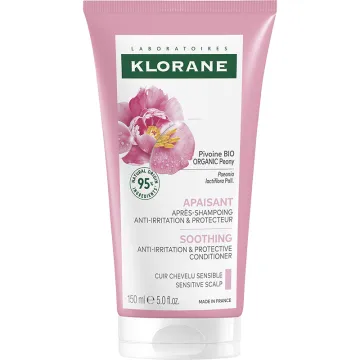
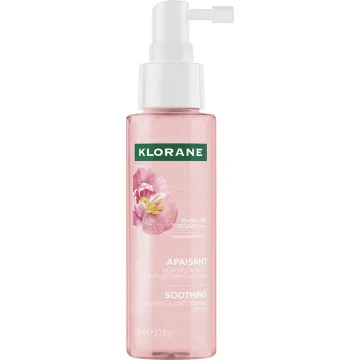
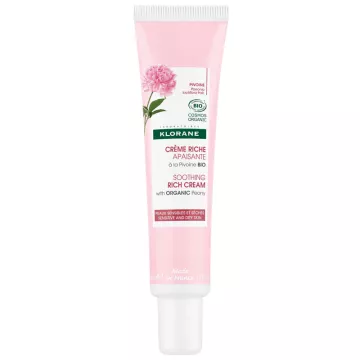
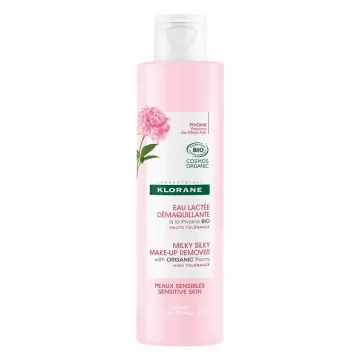
Peony extract (Paeonia lactiflora petal extract) is recognized as the gold standard soothing active ingredient for sensitive skin—it reduces skin reactivity, redness, and mild itching through its anti-inflammatory action (inhibition of histamine and pro-inflammatory cytokines). Peony-based skincare products (rich soothing cream, milky makeup remover, calming anti-itch serum, conditioner for irritated scalps) are formulated without alcohol or fragrance and have a pH level that respects the skin’s hydrolipidic film. They are particularly suitable for skin that reacts to temperature changes, pollution, and environmental irritants.
In traditional Chinese medicine, the white peony (Bai Shao) is a classic tonic for the nervous system—it calms spasms and soothes tension. Its paeoniflorin exerts a mild sedative effect by modulating GABA-A receptors (preclinical studies). These properties make it a plant of interest for managing chronic stress and mild nervous tension, particularly during the premenstrual period. For sleep, peony can be combined with valerian and passionflower to treat mild, stress-related insomnia.
Peony is classified as a “female herb” due to its traditional use for menstrual pain (dysmenorrhea), premenstrual syndrome, and cycle regulation. In TCM, white peony root is a major component of classic formulas such as Shao Yao Gan Cao Tang (peony + licorice) for muscle cramps and spasms. These traditional uses have not yet been firmly validated in Western medicine—the available studies are primarily small-scale pilot trials. Lavender is frequently combined with peony in synergistic formulations for PMS management—its linalyl acetate exerts a complementary antispasmodic and sedative effect.
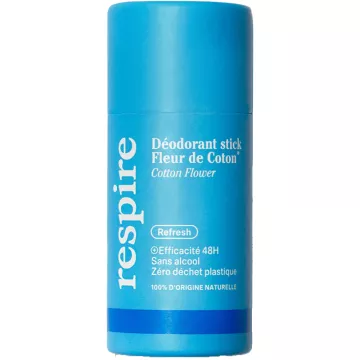
Peony extract is increasingly used in aluminum-free deodorants—it has a mild antibacterial effect (inhibits the growth of skin bacteria responsible for underarm odor) and a soothing effect (reducing irritation in sensitive skin after hair removal). These deodorants are formulated without alcohol or parabens—making them particularly suitable for sensitive and reactive underarm skin. Their odor-fighting effectiveness relies on natural antibacterial agents (peony extract, baking soda, starch) rather than on inhibiting perspiration. Rose (aqueous extract of petals) is an active ingredient frequently combined with peony in natural deodorants—its soothing and mildly antibacterial properties make it an ideal partner.
In Western herbal medicine, peony is available in a limited number of forms (dry extract in capsules, mother tincture, herbal tea made from dried petals)—its Western herbal indications focus on calming the nervous system and supporting women’s cycles. In TCM, white peony root is used as a decoction (30 minutes, 10–20 g of dried root per liter of water) or in standardized extract capsules. The recommended treatment durations are 4 to 8 weeks for nervous system conditions and 2 to 3 menstrual cycles for gynecological conditions. Peony is contraindicated during pregnancy (due to its uterine-stimulating effects) and is not recommended for people taking anticoagulants (potential interaction with paeoniflorin). For sleep and stress management, peony can be effectively combined with valerian, passionflower, and lemon balm in multi-herb calming formulations.