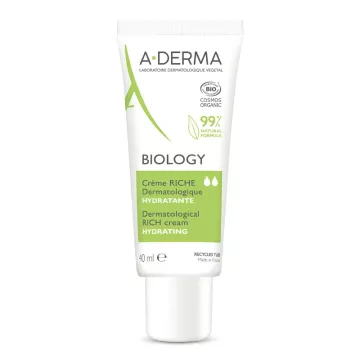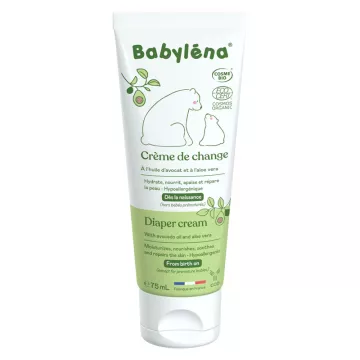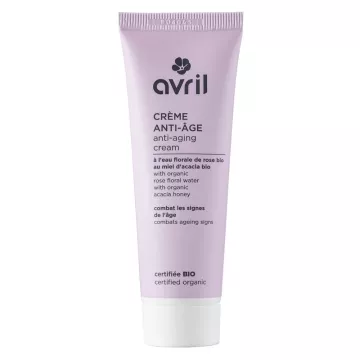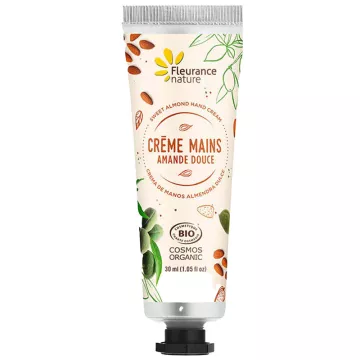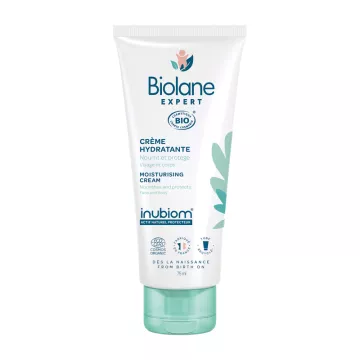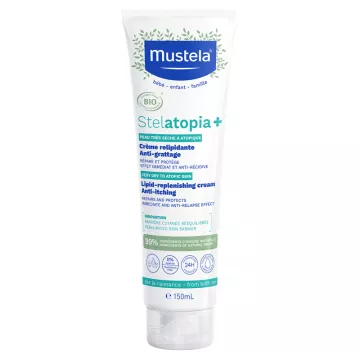
An organic cream is a skincare product formulated primarily from ingredients sourced from organic farming and certified by an independent organization.
Compared to a conventional cream or an uncertified natural cosmetic, it adheres to specific thresholds for organic ingredients and strict rules for sustainable production.
The ingredients are grown without synthetic pesticides, fertilizers, or herbicides, which reduces the industry’s overall environmental impact.
The certification label (Ecocert, COSMOS, Cosmébio, BDIH) must appear directly on the packaging to guarantee the product’s authenticity.
Choosing an organic cream offers benefits for both your skin and the environment.
These creams provide natural nutrients and plant-based antioxidants that help protect the skin from environmental stressors.
They avoid certain synthetic ingredients that some consumers prefer to avoid as a precaution.
Choosing an organic cream also supports agricultural practices that are more respectful of biodiversity and natural cycles.
There are many benefits to incorporating an organic cream into your daily routine:
To get the most out of an organic cream, apply it to clean, dry skin after your usual cleansing routine.
Apply it after any serum, as the final step before applying sunscreen in the morning.
A small amount is sufficient, as these creams are often highly concentrated in active ingredients: gently massage into the face and neck until fully absorbed.
To maximize the benefits, follow up with sunscreen with an SPF of at least 30 during the day to help prevent premature skin aging caused by UV rays.
Organic creams are available in formulations suitable for most skin types: dry, normal, combination, oily, or sensitive.
Many products are labeled as hypoallergenic; however, this designation is for informational purposes only and does not guarantee a complete absence of allergic reactions for all skin types.
Choose the right product for your skin type: dry skin → rich textures (shea butter, argan oil); oily skin → lightweight, non-comedogenic formulas; sensitive skin → free of synthetic fragrances and allergenic essential oils.
Always perform a skin test on the inner elbow 48 hours before first use, especially if you have allergic or highly reactive skin.
High-quality organic creams are available at pharmacies, drugstores, specialty organic shops, or reputable retailers.
Pharmacies offer a significant advantage: a carefully curated selection, professional advice, and guaranteed traceability for the products they carry.
Choose suppliers that clearly list the origin of ingredients, certifications, and the full ingredient list.
Be wary of unusually low prices or opaque platforms, which may indicate counterfeit or expired products.
Several certifications attest to the authenticity of an organic cream on the European and international markets.
The most recognized labels in Europe are: Ecocert, COSMOS Organic, Cosmébio, Nature et Progrès, BDIH, and Natrue.
Internationally, USDA Organic (United States) and COSMOS Organic (Europe) are major benchmarks.
Each label sets specific thresholds for organic and natural ingredients, as well as strict rules regarding manufacturing processes.
The difference between an organic cream and a natural cream lies in certification and the rigor of the criteria required.
An organic cream adheres to specific thresholds for ingredients derived from organic farming and is certified by an independent organization.
A cream labeled “natural” contains mostly ingredients of natural origin, with no guarantee of organic production methods or certification.
The term “natural” is not regulated as such: certification remains the reliable distinguishing factor.
Organic creams contain natural active ingredients recognized for their effectiveness and skin tolerance:
Essential oils (lavender, tea tree, rose) are sometimes included: not recommended for pregnant women (lavender in the first trimester, for example) or breastfeeding women, for children under 3 years of age, or for people allergic to the ingredients.
Organic creams generally have a lower environmental impact compared to conventional cosmetics.
Organic farming excludes synthetic pesticides and fertilizers, which protects soil and water quality.
It supports biodiversity by promoting local ecosystems and more sustainable farming practices.
Packaging is often eco-friendly (recyclable, refillable, biodegradable), which reduces plastic pollution.
Organic creams are not medications and are not formulated to treat diagnosed skin conditions.
However, they can provide additional comfort for sensitive, dry, or reactive skin when used alongside any necessary medical treatment.
For eczema, psoriasis, atopic dermatitis, moderate to severe acne, or other chronic skin conditions: a prior dermatological consultation is essential. Never apply a cosmetic product to broken skin, open wounds, or active eczema without medical advice.
Consult a dermatologist before incorporating a new product into your routine, especially if you have persistent skin problems.