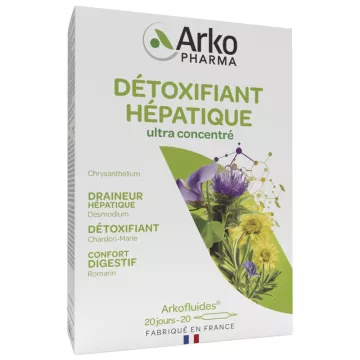
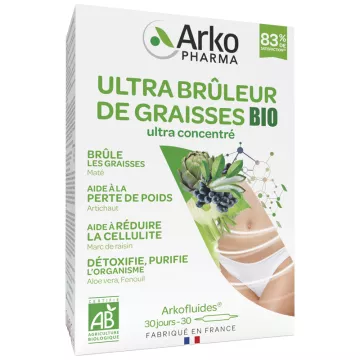
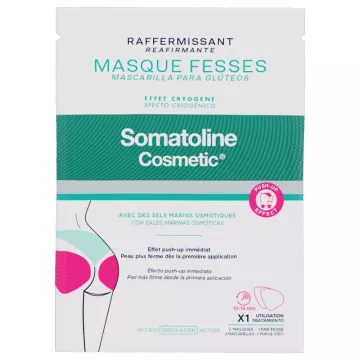
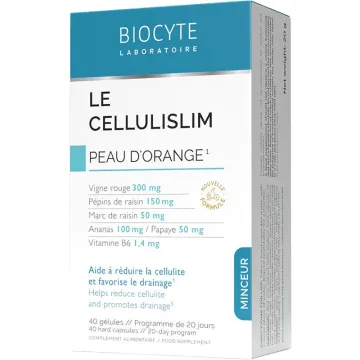
What is orange peel skin, and how does it differ from cellulite?
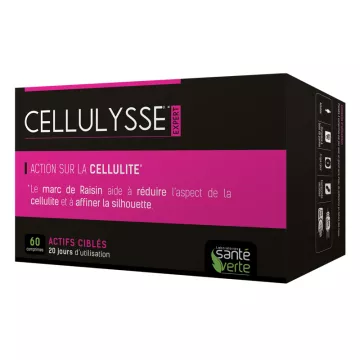
Orange peel skin is the visible manifestation of cellulite: this dimpled skin surface results from the pressure exerted by subcutaneous fat lobules on the connective tissue septa that separate them. Unlike cellulite (the term referring to the underlying biological process), “orange peel skin” refers to the visual appearance, which varies depending on skin tone, collagen quality, and the amount of water retained in the tissues. Its severity varies depending on body position, hydration levels, and the hormonal cycle. Aqueous cellulite produces visible orange peel skin at rest; fibrous cellulite is visible in any position and is more resistant to topical treatments.
Which cosmetic active ingredients actually smooth out orange peel skin?
The most well-documented active ingredients for improving the appearance of orange-peel skin:
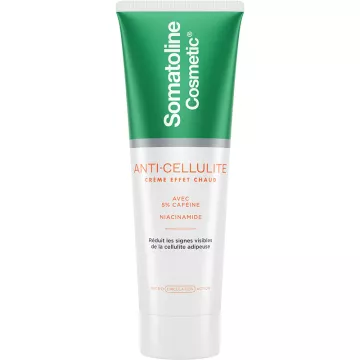
- Caffeine: penetrates the epidermis and stimulates local lipolysis by activating beta-adrenergic receptors. Visible results after 4 weeks of daily application with massage.
- Centella asiatica: Stimulates the synthesis of collagen I and III and strengthens the connective septa, reducing the protrusion of fat lobules. A benchmark active ingredient for skin firmness.
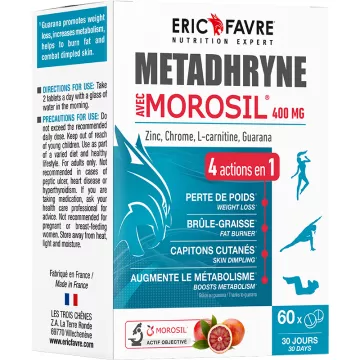
- Marine collagen as an oral supplement: improves the elasticity and density of the dermis, reducing the appearance of dimples. Proven efficacy with a dose of 2.5–5 g/day over 8 to 12 weeks.
- Hyaluronic acid: hydrates and plumps the superficial dermis, improving surface texture and reducing the appearance of orange peel skin on dehydrated skin.
- Vitamin E: an antioxidant that protects adipocyte membranes and collagen fibers from oxidative damage.
Massages and Exfoliation: How to Maximize the Effectiveness of Anti-Orange-Peel-Skin Treatments?
The application technique determines the effectiveness of the active ingredients:
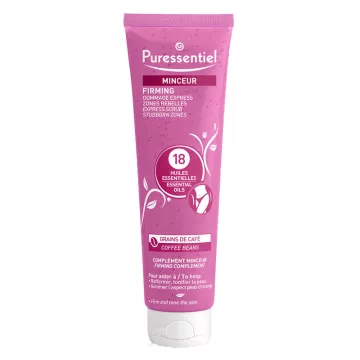
- Exfoliation: removes dead skin cells that thicken the epidermis and obscure the skin’s natural texture. A twice-weekly coffee scrub (ground coffee + coconut oil) combines mechanical exfoliation with topical caffeine.
- Manual kneading and rolling: mechanically mobilizes adipose tissue and fibrous septa, releases adhesions, and stimulates microcirculation. 5 to 10 minutes per area, 3 times a week.
- Dry drainage (brushing): circular pressure applied toward the lymph nodes before showering stimulates lymphatic circulation and prepares the skin to absorb active ingredients.
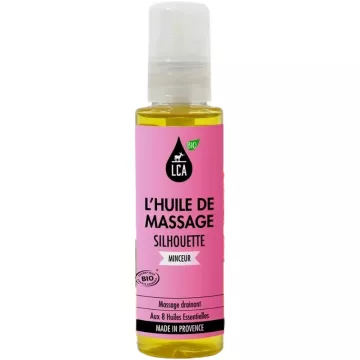
- Warm oil massage: the heat dilates capillaries and increases the penetration of fat-soluble active ingredients (vitamin E, ivy extracts).
What professional treatments are available for cellulite?
Medical and aesthetic techniques deliver more profound results:
- Carboxytherapy: subcutaneous CO₂ injections that dilate capillaries, improve tissue oxygenation, and stimulate collagen production. Gradual results over 6 to 10 sessions.
- Endermology (mechanically assisted kneading and rolling): mobilizes deep fibrous septa and reduces interstitial edema. Standard protocol: 6 to 15 sessions of 35 minutes each.
- Radiofrequency: deep heat that contracts collagen fibers and stimulates dermal neosynthesis.
These professional treatments are more effective on aqueous and adipose cellulite than on long-standing fibrous cellulite.
How can you maintain your anti-orange-peel results on a daily basis?
Treatment results can only be maintained with a daily routine:
- Apply a cream containing caffeine or centella in the morning and evening, massaging the targeted areas.
- Niacinamide: improves the skin barrier, reduces transepidermal water loss, and evens out skin tone—as a complement to anti-cellulite active ingredients.
- Stay hydrated from the inside (1.5–2 L of water per day) and limit salt intake to reduce subcutaneous edema.
- Regular physical activity (at least 30 minutes per day) to maintain active lymphatic circulation.