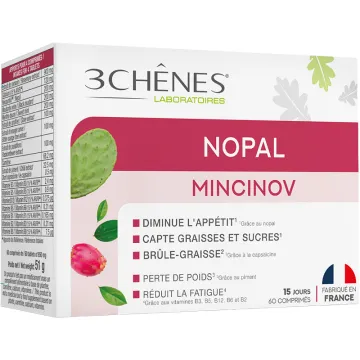
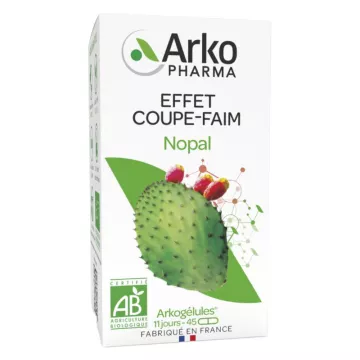
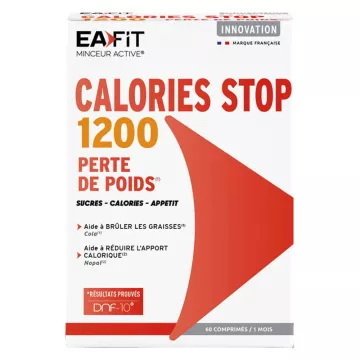
Nopal (Opuntia ficus-indica) is a cactus native to Mexico whose dried pads (cladodes) are used as a dietary supplement for their health benefits. The pad powder is rich in soluble fiber (pectins, mucilages, glucomannan-type polysaccharides), insoluble fiber (cellulose, hemicellulose), flavonoids (quercetin, kaempferol), betalains (antioxidant pigments), vitamin C, calcium, and magnesium. The concentration of soluble fiber is the key factor in nopal’s effectiveness on blood sugar levels and satiety—standardized capsules guarantee a minimum content per dose.
Nopal’s appetite-suppressing effect is due to its soluble fiber. When taken with a large glass of water (at least 200–250 ml, 30 minutes before a meal), the mucilage and pectin swell in the stomach, forming a viscous gel that slows gastric emptying and triggers early satiety signals (mechanical distension of the stomach walls). This gel also slows intestinal transit, prolonging the feeling of fullness after a meal. Nopal must be taken with a large amount of water—if consumed dry or with too little water, it has no satiating effect and may cause esophageal obstruction.
The fibrous gel formed by nopal’s soluble fibers in the intestine traps dietary carbohydrates within its viscous matrix, slowing their absorption and reducing the postprandial blood glucose spike. Preliminary clinical studies (Mexican trials on populations with type 2 diabetes) show a significant reduction with 3 to 6 g of standardized powder per meal. The effect on cholesterol is based on the same mechanism of trapping dietary fats—soluble fibers form non-absorbable micelles with bile acids and triglycerides, reducing their intestinal reabsorption. These effects are comparable to those of other soluble fibers (psyllium, oat beta-glucans) and require regular intake over several weeks.
Nopal is used in weight-loss formulas as a natural fat binder and appetite suppressant, but its effectiveness for long-term weight loss is modest—comparable to that of a standard soluble fiber supplement. Its main benefit is improving control over fat and sugar intake during meals. It is often combined with thermogenic plants (guarana, green tea) for a synergistic effect on metabolism. Excess weight cannot be treated with a single supplement—nopal is an adjunct to a balanced diet and regular physical activity, never a substitute.
Nopal is generally well tolerated at recommended doses. The main precautions are:
Nopal is contraindicated in cases of intestinal obstruction or esophageal stricture. The combination of nopal and soluble fiber from other sources (psyllium, glucomannan) should be introduced gradually to avoid digestive upset.
Nopal should ideally be taken 20 to 30 minutes before the two main meals (lunch and dinner), always with a large glass of water (at least 250 ml). Standardized extract capsules (500 to 1,000 mg per capsule, 2 to 4 capsules per dose depending on the formula) are the most convenient and precisely dosed form. Treatment courses last 1 to 3 months, with a one-month break before restarting if necessary. The combination of nopal and chromium (chromium picolinate, a blood sugar regulator) is a classic synergy found in carbohydrate-blocking formulas—chromium enhances insulin action and improves glucose receptor sensitivity. Controlling carbohydrate intake remains the essential foundation of any approach to blood sugar balance and weight management, which nopal complements without replacing.