What is a muscle relaxant, and how does it work?
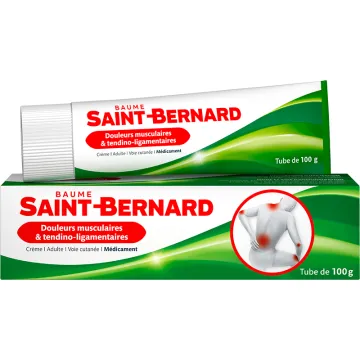
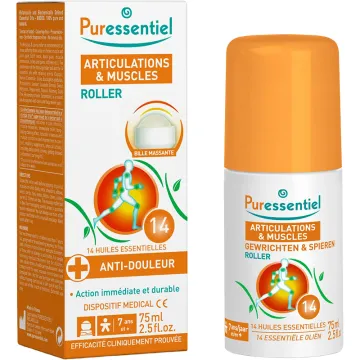
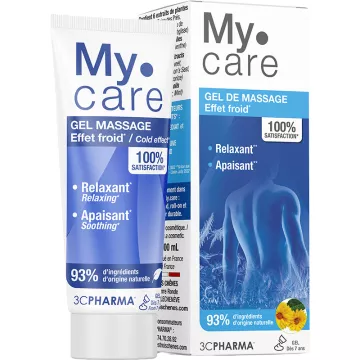
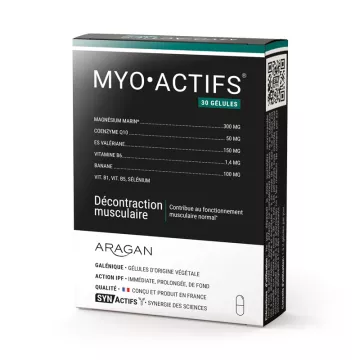
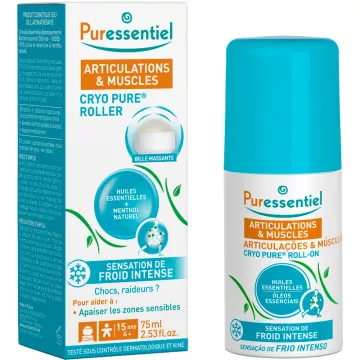
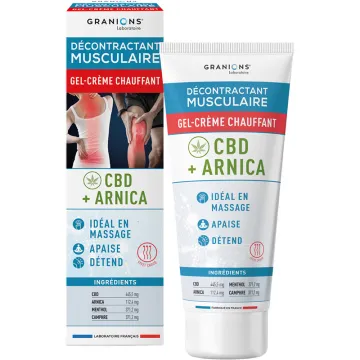
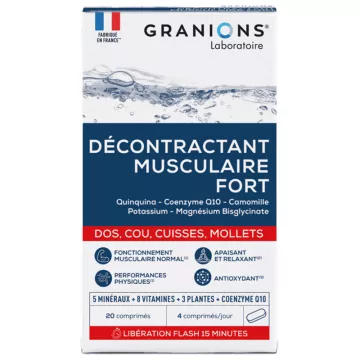
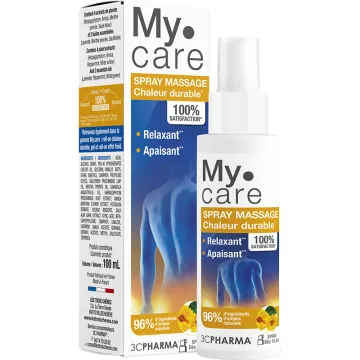
A muscle relaxant (or myorelaxant) is a medication that reduces muscle spasms and contractions by acting either on the central nervous system or directly on muscle fibers. They should not be confused with NSAIDs (nonsteroidal anti-inflammatory drugs), which target inflammation, nor with pure pain relievers, which have no effect on muscle contraction. Our muscle comfort line offers natural muscle relaxant alternatives.
- Central muscle relaxants: act on the central nervous system by inhibiting the spinal interneurons that control muscle tone—baclofen (neurological spasticity), tizanidine, methocarbamol—significant sedative effects
- Peripheral muscle relaxants: act directly on muscle fibers—dantrolene (blocks the release of calcium from the sarcoplasmic reticulum)—reserved for severe spasticity or emergencies (malignant hyperthermia)
- Benzodiazepines used as muscle relaxants: diazepam (Valium®)—potentiate the action of inhibitory GABA—effective but carry a high risk of dependence and drowsiness
- Over-the-counter muscle relaxants: less potent—topical methyl salicylate, homeopathic combinations—provide moderate relief for mild muscle spasms
- Prescription-only: Most potent muscle relaxants require a prescription—the doctor assesses the benefit-risk ratio based on the patient’s profile
In what situations are muscle relaxants indicated?
- Acute muscle spasms: acute low back pain with reflex spasm of the paravertebral muscles—short-term use (5–7 days maximum)—combined with NSAIDs and analgesics
- Neurological spasticity: multiple sclerosis, spinal cord injury, stroke—baclofen is the drug of choice—long-term maintenance therapy under neurological supervision
- Spasmodic torticollis: botulinum toxin injection — localized effect on the cervical muscles — lasts 3–4 months before the next injection
- Fibromyalgia: muscle relaxants are sometimes prescribed for widespread pain and associated sleep disturbances — see our fibromyalgia page
- Do not use for post-exercise muscle pain (delayed onset muscle soreness, DOMS)—muscle relaxants do not treat microtraumas—see our page on muscle soreness
Side Effects, Drug Interactions, and Essential Precautions
- Drowsiness: the most common side effect of centrally acting muscle relaxants—contraindicates driving and operating hazardous machinery during treatment
- Opioid + muscle relaxant interaction: significant potentiation of respiratory depression—combination should be avoided unless strictly advised by a doctor
- Alcohol + muscle relaxants interaction: increased drowsiness and risk of falls — alcohol abstinence during treatment is mandatory
- Benzodiazepines: Risk of physical dependence after 4–6 weeks of daily use—gradual tapering is essential—never stop abruptly
- Elderly patients: increased risk of falls due to drowsiness and orthostatic hypotension—half doses recommended—regular monitoring
Natural Alternatives to Muscle Relaxants
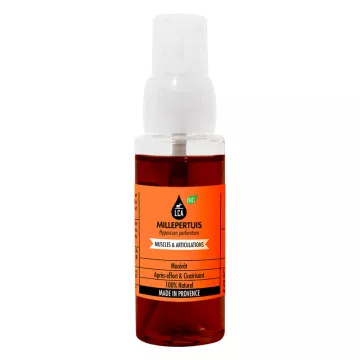
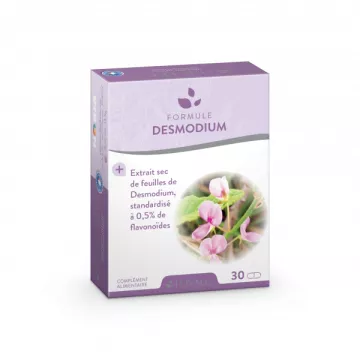
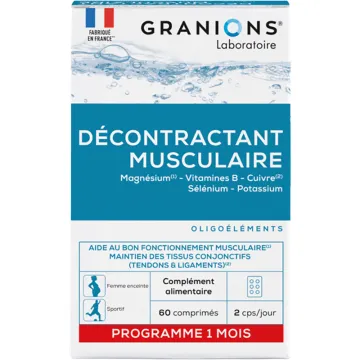
Several natural active ingredients have documented muscle-relaxing properties—prefer them for mild to moderate muscle spasms before resorting to medication. Find these formulas in our muscle comfort line.
- Magnesium: a natural calcium antagonist — regulates neuromuscular excitability — 300–400 mg/day of bisglycinate — first-line treatment for muscle spasms and recurrent cramps
- True lavender essential oil (Lavandula angustifolia): muscle-relaxing and mild sedative properties—massage into tight areas using a 10% dilution in a vegetable oil—complementary to a heating pad
- Valerian and passionflower: mild nervous system muscle relaxants — reduce anxiety-induced muscle tension — useful if there is a stress/anxiety component to cervical muscle spasms
- Omega-3: reduces the muscle inflammation underlying chronic muscle spasms — 3-month long-term treatment
- Physical therapy, yoga, meditation: address the postural and psychological components of muscle spasms—documented long-term effectiveness superior to medication in chronic low back pain