How does muscle building work?
Muscle building —or hypertrophy—is the process by which muscle fibers increase in diameter as a result of an accumulation of contractile proteins (actin, myosin) stimulated by exercise. Resistance training creates mechanical micro-tears in the myofibrils, triggering an inflammatory response followed by a repair-and-strengthening phase. This process is regulated by the mTORC1 pathway, which is activated in particular by leucine (an amino acid in BCAAs),insulin, and mechanical growth factors. Supercompensation—where each cycle of stress and repair results in a slightly stronger and larger muscle—depends on consistent training, proper nutrition, and quality recovery.
What are the nutritional requirements for building muscle?
Muscle building requires a specific nutritional environment:
- A positive nitrogen balance: protein intake must exceed protein breakdown to allow for net gain. Sports recommendations place the optimal intake between 1.6 and 2.2 g of protein per kilogram of body weight per day.
- A moderate caloric surplus (300 to 500 kcal/day): without an energy surplus, protein synthesis is limited because some of the amino acids are used as an energy substrate.
- Carbohydrates to support training intensity: they maintain muscle glycogen stores and stimulate the release of anabolic insulin post-exercise.
- Unsaturated fats to maintain testosterone levels: dietary fats are precursors to steroid hormones, of which testosterone is the primary endogenous anabolic hormone.
Which supplements support muscle building?
Several supplements have a strong body of evidence supporting their effects on muscle hypertrophy:
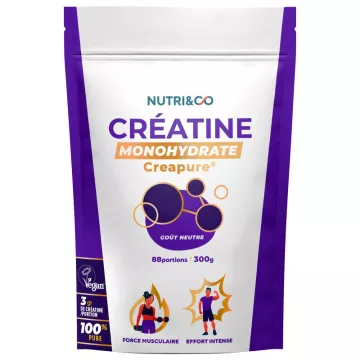
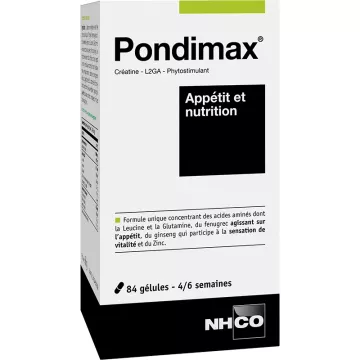
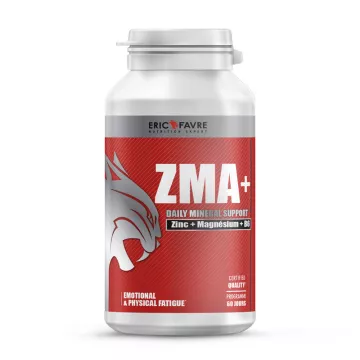
- Creatine monohydrate: the most studied and most effective supplement. It increases muscle phosphocreatine stores, improves energy production during short, intense efforts, and maximizes muscle mass gains during training cycles. Standard dose: 3 to 5 g/day for maintenance.
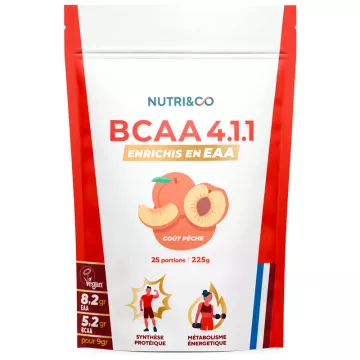
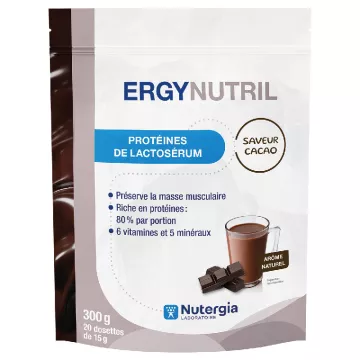
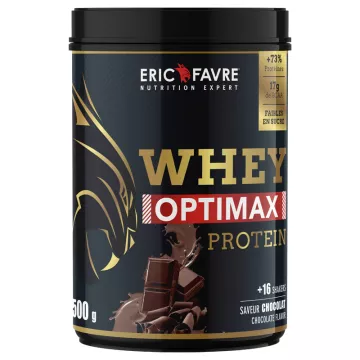
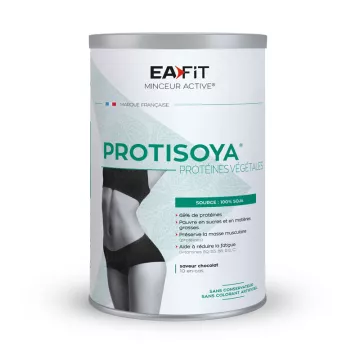
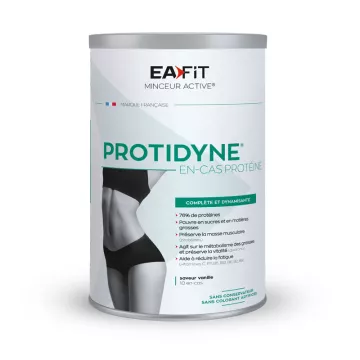
- BCAAs and complete proteins: activate the mTORC1 pathway and provide the essential amino acids needed for muscle fiber repair. Whey is the fastest-absorbing source for the post-workout window.
- Beta-alanine: buffers hydrogen ions in the muscle, delaying fatigue during prolonged, high-intensity sets.
- HMB (beta-hydroxy beta-methylbutyrate): a leucine metabolite that reduces muscle catabolism, particularly useful during periods of calorie restriction.
How does sleep influence muscle building?
Sleep is the phase during which most muscle building occurs. During deep sleep, growth hormone secretion reaches its circadian peak: it stimulates muscle protein synthesis, lipolysis, and the regeneration of tendons and ligaments. A lack of sleep reduces these hormonal secretions, increases cortisol, and decreases insulin receptor sensitivity, creating an environment that is unfavorable for anabolism. Aiming for 8 to 9 hours per night during periods of intensive muscle-building maximizes muscle adaptations and reduces the risk of overtraining.
How can you avoid injuries while building muscle?
Delayed onset muscle soreness and tendon injuries are the most common risks during muscle-building phases. Here are a few essential principles:
- Progressive overload: Increasing loads by no more than 5% per week prevents injuries caused by tendon overload.
- Form before load: Injuries in weight training almost always result from poor form, especially toward the end of a workout.
- Periodization: Alternating between high-intensity weeks and recovery weeks (with a 40–50% reduction in volume) allows connective tissue to adapt.
- Anti-inflammatory nutrition: Omega-3s, turmeric, and antioxidants reduce post-workout inflammation and accelerate the repair of micro-tears.
When do the first muscle gains become visible?
The initial adaptations (4 to 6 weeks) are primarily neuromuscular: the nervous system learns to better recruit existing muscle fibers, which explains the rapid strength gains observed in beginners without a visible increase in mass. Actual hypertrophy gains become visible after 8 to 12 weeks of regular training with proper nutrition. For an adult without pharmacological assistance, a gain of 1 to 2 kg of lean muscle mass per month is the physiological maximum, regardless of diet or supplements used. Consistency over months, or even years, remains the primary determinant of the final result.