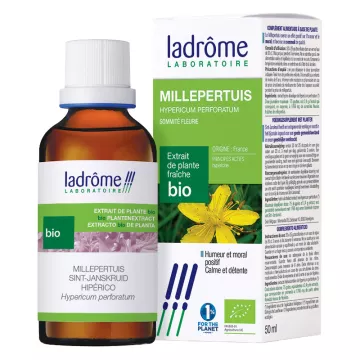
Moral refers to a person’s overall emotional and psychological state—their ability to view life with optimism and tackle daily challenges with energy. Good morale is based on a neurochemical balance involving serotonin (serenity, satisfaction), dopamine (motivation, anticipation of pleasure), and endorphins (physical well-being). A dip in morale manifests itself through several characteristic signs:
A temporary dip in mood linked to a specific event is normal—it differs from depression in that it is short-lived (usually lasting a few days) and resolves on its own. If these symptoms persist for more than two weeks, intensify, or are accompanied by a loss of interest in activities that are usually enjoyable, a medical consultation is recommended to assess the possibility of depression.
The factors that affect mood are numerous and often cumulative. Stress triggers a “fight-or-flight” response involving the release of cortisol and adrenaline—elevated and prolonged levels of these hormones gradually reduce the ability to experience pleasure (mild anhedonia) and contribute to fatigue. Hormonal changes (premenstrual syndrome, perimenopause, postpartum, and seasonal variations in light exposure) directly influence serotonin production. Personal or professional problems, underlying health conditions, and stressful life events are all identifiable triggers. Lack of sleep directly affects the brain’s ability to process emotions—just one night of lost sleep is enough to measurably increase irritability and emotional vulnerability the next day.
Several behavioral strategies have been proven to improve mood. Regular physical activity—even a 30-minute brisk walk—releases endorphins and BDNF (brain-derived neurotrophic factor), with a positive effect on mood starting from the very first session. Mindfulness meditation reduces rumination and activity in the amygdala, promoting a more stable state of mind over the long term. Maintaining strong social connections—even a brief exchange with a loved one—releases oxytocin and reduces cortisol.
Diet also plays a direct role in mood: foods rich in tryptophan (a precursor to serotonin—bananas, eggs, poultry, legumes) and sources of omega-3s (fatty fish, chia seeds) support the production of mood-regulating neurotransmitters. Engaging in creative activities or hobbies—such as gardening, painting, or reading—provides a beneficial escape from daily pressures and stimulates the release of dopamine.
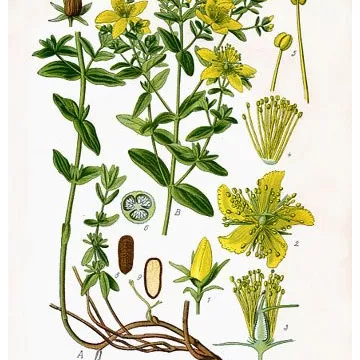
Griffonia (5-HTP—a direct precursor to serotonin) is the most well-documented active ingredient for supporting mood and reducing negative rumination—strict contraindicated when used with SSRIs, SNRIs, tramadol, and St. John’s wort (risk of serotonin syndrome). Vitamin D3 (1,000–2,000 IU/day) is particularly important in cases of seasonal winter low mood—a deficiency is associated with reduced serotonin production. Magnesium bisglycinate (300 mg/day) reduces irritability and emotional hyperreactivity associated with chronic stress. Rhodiola (an adaptogen) restores motivation and energy depleted by chronic stress—take in the morning; contraindicated in cases of bipolar disorder. Omega-3 EPA-DHA (1 to 3 g/day—EFSA claim) has a documented effect on mood regulation by modulating brain inflammation. These supplements help address functional low mood—professional support remains essential in cases of clinical depression.