Mood responds to several quick fixes that affect brain neurochemistry within minutes. Physical activity—even a short 10-minute walk—releases endorphins and measurably improves your mood starting with the very first session. Natural light, especially in the morning, regulates circadian rhythms and stimulates serotonin production—exposing yourself to daylight within 30 minutes of waking up is one of the most effective and least expensive ways to support your mood on a daily basis. Laughter—whether from a comedy, a funny exchange, or even a laughter yoga session—triggers the release of endorphins and simultaneously reduces circulating cortisol.
Social interaction also plays an immediate role: interacting with loved ones raises levels of serotonin and oxytocin, the “bonding hormone.” Music has a direct and rapid effect on emotional well-being—dynamic rhythms revitalize, gentle melodies soothe, and the effect is amplified when music evokes positive memories.
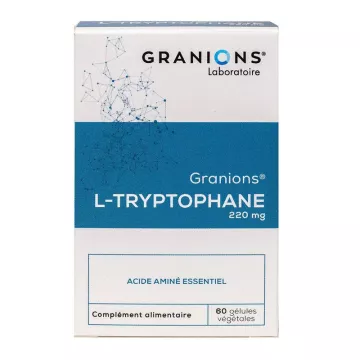
Diet directly influences the production of mood-regulating neurotransmitters. Tryptophan—an amino acid that is a precursor to serotonin—is found in bananas, eggs, dairy products, and dark chocolate. Complex carbohydrates (root vegetables, whole grains) help tryptophan enter the brain and stabilize mood over the long term, unlike simple sugars, which cause blood sugar fluctuations that lead to irritability. Here are the key dietary and lifestyle strategies:
Creative expression—painting, writing, music—offers a therapeutic outlet for complex emotions and provides a sense of accomplishment that benefits mood, as does time spent outdoors in green spaces, which combines exposure to natural light with gentle physical activity.
In aromatherapy, several essential oils positively influence mood through the sense of smell. True lavender (linalool) soothes and relaxes, making it ideal at the end of the day. Lemon (limonene) has a toning and revitalizing effect, making it particularly suitable for use in a diffuser in the morning.Eucalyptus radiata (cineole) energizes and clears the mind, providing a helpful boost during periods of mental fatigue.
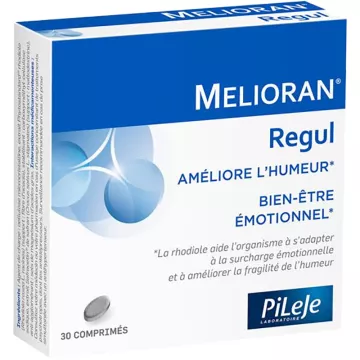
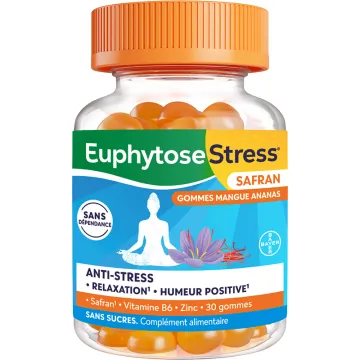
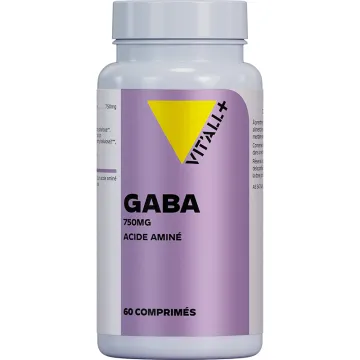
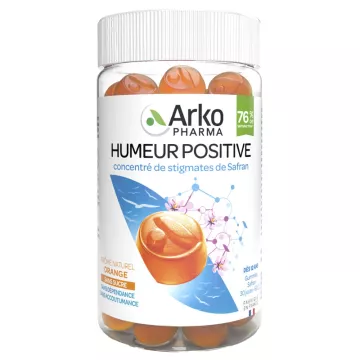
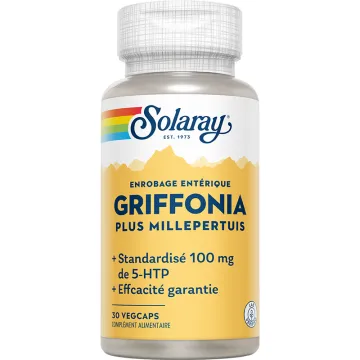
In terms of supplements, griffonia (5-HTP—a direct precursor to serotonin) is the best-documented natural active ingredient for supporting mood—strict contraindicated when used with SSRIs, SNRIs, tramadol, and St. John’s wort (risk of serotonin syndrome). Vitamin D3 (1,000–2,000 IU/day) is particularly important in winter, when sun exposure decreases and seasonal mood disorders are more common. Omega-3 EPA-DHA (1 to 3 g/day—EFSA claim) supports mood regulation by modulating brain inflammation. These lifestyle practices and natural supplements support healthy mood on a daily basis—a persistent low mood lasting longer than two weeks warrants a medical consultation.