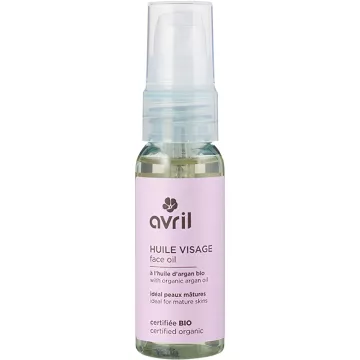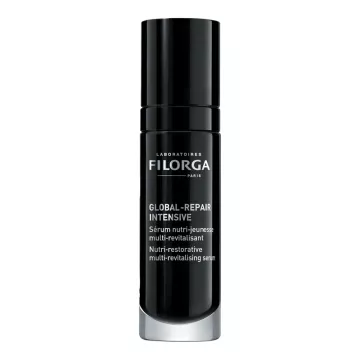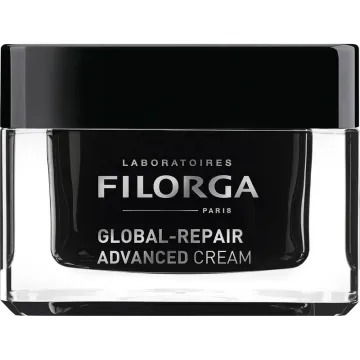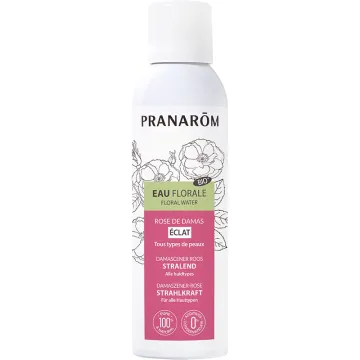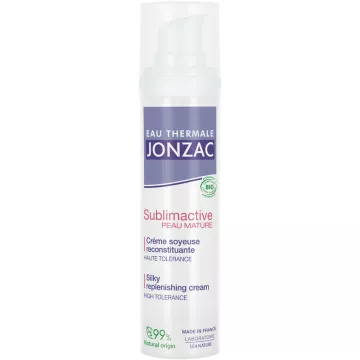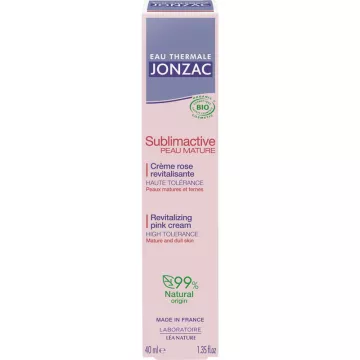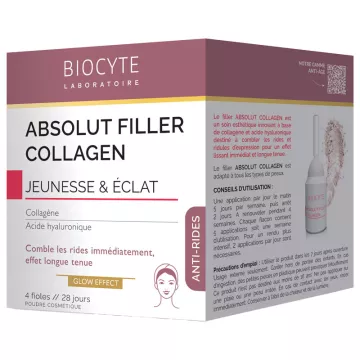
Mature skin has specific needs related to the biological changes that come with aging. Collagen and elastin production decreases, leading to a loss of firmness and elasticity. The skin becomes thinner and drier, and wrinkles and dark spots appear more frequently. A customized skincare routine should therefore combine hydration, support for cell regeneration, and protection against environmental stressors.
To select the best products, look for formulations rich in antioxidants, hyaluronic acid, and retinoids. Antioxidants neutralize free radicals and slow down skin aging. Hyaluronic acid deeply hydrates and restores volume to the skin. Retinoids stimulate collagen production and accelerate cell turnover. Ceramides and peptides effectively complement these formulas to strengthen the skin barrier and refine skin texture.
Several active ingredients are among the most effective for mature skin:
An effective routine for mature skin revolves around five key steps:
To treat wrinkles and fine lines, choose products that combine retinol, peptides, and hyaluronic acid. Retinol stimulates collagen production and accelerates cell turnover, which reduces the depth of established wrinkles. Peptides firm the skin and improve its elasticity. Hyaluronic acid deeply hydrates and visibly plumps up surface fine lines.
Hyaluronic acid is one of the essential ingredients for mature skin, thanks to its exceptional ability to retain water and maintain optimal hydration. It plumps the skin, reduces superficial fine lines, and improves overall skin texture. By supporting deep hydration, it restores volume and firmness, resulting in softer and visibly smoother skin.
To treat dark spots, choose products containing proven brightening agents: vitamin C, kojic acid, and alpha-arbutin. These active ingredients even out the skin tone and visibly reduce localized dark spots. Always combine these products with a broad-spectrum sunscreen to prevent the formation of new spots caused by UV exposure.
To maintain the long-term health of mature skin, follow these essential tips:
Sun protection remains crucial for mature skin: UV rays are among the leading causes of skin aging. Unprotected exposure causes dark spots, loss of firmness, and the appearance of deeper wrinkles. Apply a broad-spectrum sunscreen with an SPF of at least 30 every day—even on cloudy days—to help minimize UV damage over the long term.
Age-related dry skin is primarily the result of decreased sebum production and a loss of the skin’s ability to retain moisture. The sebaceous glands become less active, which weakens the skin’s natural lipid barrier. This tendency is exacerbated by external factors: exposure to the elements, excessively hot showers, or the use of harsh soaps further disrupt the skin’s hydrolipidic film.
Essential fatty acids play a key role in maintaining the integrity of the skin barrier. They support hydration, reduce inflammation, and refine skin texture. Omega-3 and omega-6 fatty acids are particularly beneficial for mature skin. They are found in plant-based oils such as borage oil, evening primrose oil, and flaxseed oil, as well as in certain serums and moisturizers.
Retinoids, derivatives of vitamin A, are among the most effective active ingredients for combating the signs of aging. To introduce them gently, start by applying them every two or three days to allow your skin to adjust. Choose a product with a low concentration (0.3% to 1%) and gradually increase it based on your tolerance. A retinol-based anti-aging night cream fits perfectly into your evening routine. Be sure to apply sunscreen every day, as retinoids make the skin more sensitive to UV rays.
Peptides are short chains of amino acids that act as cellular messengers by stimulating the production of collagen and elastin. They strengthen the skin’s structure, improve its elasticity, and reduce the appearance of wrinkles and fine lines. By regularly incorporating products containing peptides into your routine, you’ll achieve firmer, smoother skin and a visibly more even complexion.
Hormonal changes—particularly the drop in estrogen during menopause—significantly impact mature skin. This decline reduces collagen and elastin production, leading to a loss of density and elasticity. The skin becomes thinner, drier, and more prone to wrinkles and age spots. To counteract these effects, choose skincare products enriched with phytoestrogens, antioxidants, and moisturizing agents specifically formulated to support the skin at this stage of life.