What are the benefits of massage oil?
Massage oil makes the massage easier by reducing friction, allowing you to work the skin and massage the body without any tugging or discomfort. Its main benefits:
- Comfort during the massage: Its texture provides the glide needed for a smooth massage, ideal for long or extended body massages.
- A moment of relaxation: Combined with herbs such as lavender or chamomile, it promotes a moment of relaxation after a busy day.
- Skin hydration: Rich in vitamins (particularly vitamin E) and essential fatty acids, it nourishes the skin and leaves it soft and supple.
- Supports post-workout muscle comfort: certain formulas are often used as part of a massage routine after physical activity to promote muscle relaxation.
- Soothing sensory experience: The massage ritual, combined with a scented oil, contributes to a true moment of sensory well-being.
How to choose a massage oil based on your needs?
Choosing a massage oil depends on several factors:
- Skin type: For sensitive skin, opt for gentle, well-tolerated oils such as jojoba or coconut oil, which are non-comedogenic and well-tolerated.
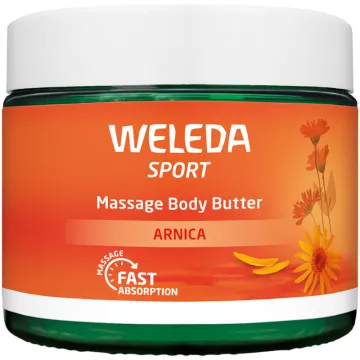
- Current needs: For relaxation, opt for oils infused with lavender or chamomile. To support post-workout recovery, arnica-based formulas are often preferred.
- Absorption profile: Some richer oils are suitable for longer massages (almond oil, sesame oil, jojoba oil). Others, such as grape seed oil, which are lighter and more fluid, are better suited for quicker massage techniques.
What massage techniques work best with massage oil?
Massage techniques vary depending on the goal:
- Swedish massage: long, fluid movements to relax the muscles. The oil facilitates glide and enhances comfort during the massage.
- Deep-tissue massage: a firmer kneading technique, best performed with a medium-viscosity oil such as almond oil.
- Reflexology: pressure applied to reflex zones on the feet and hands. A light oil that doesn’t create too much slippage is preferable to maintain precision.
How to Use Massage Oil for Best Results?
To get the most out of massage oil, follow a few simple guidelines:
- Warm the oil: Oil at room temperature or slightly warmed between your palms feels more comfortable and absorbs better.
- Apply with gentle movements: Spread the oil over the area to be massaged using slow strokes to prepare the skin and promote relaxation.
- Adapt your technique: incorporate light stroking for relaxation and firmer kneading for muscle comfort after exercise. Techniques such as shiatsu or Ayurvedic massage can inspire your approach, depending on your preferences.
What precautions should you take with massage oil?
Althoughmassage oil is generally well tolerated, several precautions are necessary:
- Test before use: Applying a small amount to the crook of the elbow 24 to 48 hours before full-body use helps rule out an individual allergic reaction.
- Consider the context: Formulas concentrated in essential oils (camphor, menthol, eucalyptus, wintergreen) are not recommended during pregnancy, while breastfeeding, or for young children. If you have a chronic condition or are undergoing treatment, consult a healthcare professional.
- Avoid certain areas: Never apply to an open wound, an inflamed area, or an unhealed lesion.
- Store properly: Keep in a cool, dry place away from light to preserve the active ingredients and minimize oxidation.
Which massage oils are best for sensitive skin?
For sensitive skin, it’s essential to choose a gentle massage oil that’s unlikely to trigger a reaction. Here are a few well-tolerated options:
- Jojoba oil: Its lipid composition, similar to the skin’s natural sebum, makes it ideal for sensitive skin. It is non-comedogenic and rarely causes allergic reactions.
- Sweet almond oil: Rich in vitamins E, A, and B, it is nourishing and well-tolerated by delicate skin, including that of children over a certain age.
- Calendula oil: prized for its soothing properties, it helps soothe reactive or irritated skin.
If you have a known nut allergy, read the INCI list carefully before use.
How does massage oil promote relaxation?
A massage oil with relaxing scents can transform your bedtime routine into a cherished moment of relaxation:
- Choose oils with soothing scents: true lavender or chamomile are popular choices for their enveloping fragrance.
- Gently massage before bedtime: a light massage of the back, shoulders, or feet with a scented oil helps create a moment of relaxation at the end of the day.
- Create a routine: Incorporating this practice into a regular ritual establishes a soothing anchor. It is not a substitute for medical care in cases of persistent sleep disturbances or chronic stress.
How does massage oil differ from ordinary oil?
Massage oils are specifically formulated to provide the viscosity, glide, and sensory experience expected of a massage. Compared to a raw vegetable oil not intended for massage:
- Adjusted absorption profile: neither absorbed too quickly nor too occlusive, allowing for extended massage without constant reapplication.
- Ingredients selected for the skin: enriched with vitamin E or plant extracts to nourish and soothe.
- Option for a signature aroma: some formulas incorporate essential oils in cosmetically acceptable proportions to provide a targeted sensory effect (relaxation, freshness, energy).
What effects does massage oil have on relaxation and well-being?
The ritual of massage withmassage oil contributes to a truly sensory moment of well-being. The slow, deliberate movements, the comfortable texture, and the fragrant notes (lavender, chamomile, citrus) help create a soothing respite from daily life.
- Sense of relaxation: The slow, repetitive touch of the massage, combined with a scented oil, is widely recognized as a way to relax the skin and muscles.
- Olfactory experience: Depending on the chosen scents (floral, citrus, minty), the oil helps create a personalized olfactory experience.
- Me-time: Incorporating a regular massage ritual into your wellness routine enhances the quality of the moment, though it should not replace professional care in cases of prolonged discomfort or symptoms requiring medical attention.
How should you store massage oil to preserve its quality?
To preserve the quality of a massage oil over time, here are a few best practices:
- Store away from light and heat: Light and temperature degrade oils, especially those containing essential oils.
- Storein an airtight amber glass container: to limit oxidation and preserve the active ingredients over time.
- Observe expiration dates: Follow the best-before date and the period after opening (PAO); any change in color, smell, or texture indicates oxidation and means you should stop using the product. For uses related to muscle tension, it is best to replace the bottle regularly to benefit from active ingredients at their freshest.