Male Contraception: Available Methods and Effectiveness
Male contraception refers to methods that allow men to play an active role in preventing pregnancy:
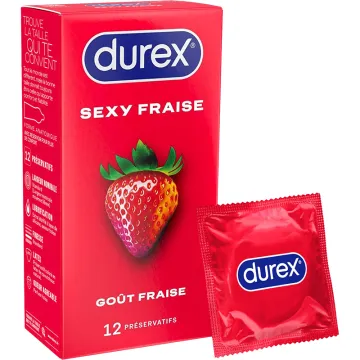
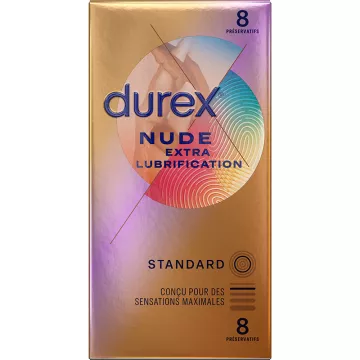
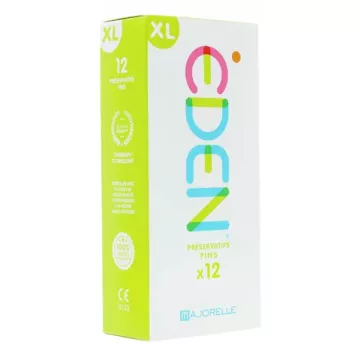
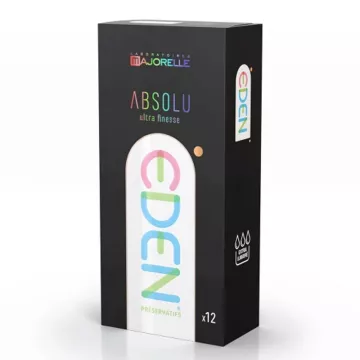
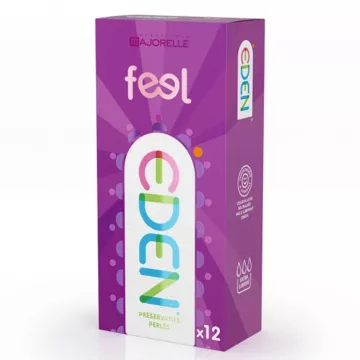
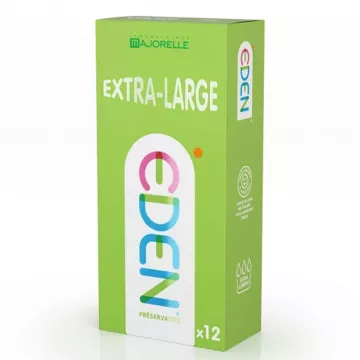
- Male condom: the only method that protects against STIs. 98% effective when used perfectly, 85% effective in real-world use.
- Vasectomy: a surgical procedure that cuts the vas deferens. Effectiveness rate > 99.85%. Should only be considered if the desire for future fatherhood is ruled out—vasovasostomy is successful in 50 to 70% of cases.
- Male thermal contraception (heated underwear): raises scrotal temperature to 37°C, reducing spermatogenesis. Method currently being evaluated by French research teams—not yet officially recognized.
- Male hormonal contraceptives (under research): testosterone + progestin (NES/T) gels in Phase III clinical trials. Not yet on the market.
Can sperm quality be optimized through nutrition?
Sperm quality (concentration, motility, morphology) is the biological determinant of male fertility. Sperm are particularly vulnerable to oxidative stress (their membranes are rich in polyunsaturated fatty acids) and heat. 30 to 80% of infertile men have high levels of oxidative stress in their sperm (measured by malondialdehyde levels). Deficiencies in CoQ10, L-carnitine, alpha-lipoic acid, and lycopene are the most well-documented functional deficiencies in male infertility.
Does coenzyme Q10 improve sperm quality?
Coenzyme Q10 (ubiquinol, 200 to 300 mg/day) is present in high concentrations in the mitochondria of spermatozoa. It acts as a cofactor in the mitochondrial respiratory chain—which is necessary for flagellar motility—and as an antioxidant in sperm. Two meta-analyses (Lafuente, 2013; Nadjarzadeh, 2011) confirm a significant improvement in sperm concentration, motility, and morphology in men with oligoasthenozoospermia after 3 to 6 months.
L-carnitine and alpha-lipoic acid for male fertility?
Two active ingredients with complementary mechanisms:
- L-carnitine (acetyl-L-carnitine, 2 to 3 g/day): essential for transporting fatty acids into the mitochondria of sperm for their maturation in the epididymis. Sperm contain carnitine concentrations 2,000 times higher than those in plasma. Meta-analyses (Lenzi, 2003; Vitali, 1995) confirm an improvement in motility and pregnancy rates after 3 to 6 months.
- Alpha-lipoic acid (ALA, 600 mg/day): a universal antioxidant that crosses sperm membranes and regenerates glutathione, vitamin C, and vitamin E in semen. Preliminary studies show improved motility and a reduction in sperm oxidative stress.
Do lycopene and resveratrol protect sperm?
Two antioxidants concentrated in testicular tissue:
- Lycopene: accumulates in high concentrations in the testicles. A meta-analysis (Gual-Frau, 2015) confirms an improvement in sperm concentration and motility after 3 to 6 months. Maximum bioavailability is achieved when tomatoes are cooked with oil.
- Resveratrol: improves sperm motility and reduces sperm DNA fragmentation (the primary biomarker of oxidative stress). Preliminary human studies show an improvement in sperm parameters after 3 months.
Does ginseng support male fertility and sexual health?
Ginseng (Panax ginseng, 200 to 400 mg/day) affects male fertility through several mechanisms:
- Stimulation of nitric oxide production in the corpora cavernosa: improved erectile function documented in meta-analyses.
- Stimulation of testicular steroidogenesis via ginsenosides Rb1 and Rg1: increased testosterone levels and spermatogenesis.
- Antioxidant protection of the testes: activation of SOD and catalase enzymes in testicular tissue.
Precaution: Avoid taking in the evening, in cases of uncontrolled hypertension, and when taking cardiovascular medications.