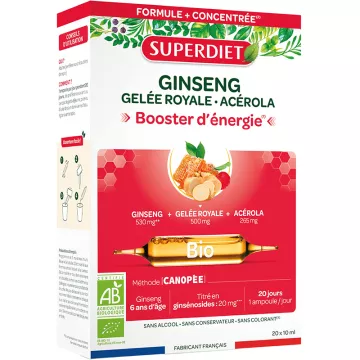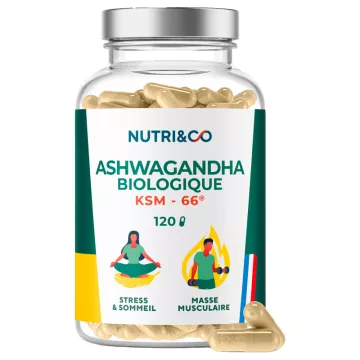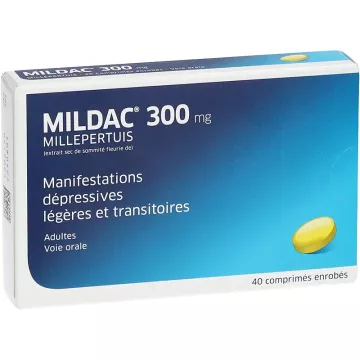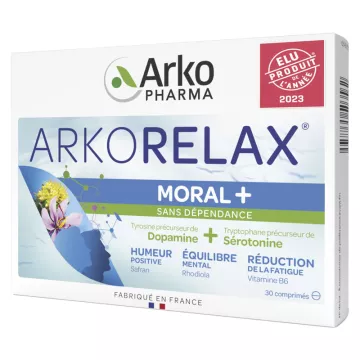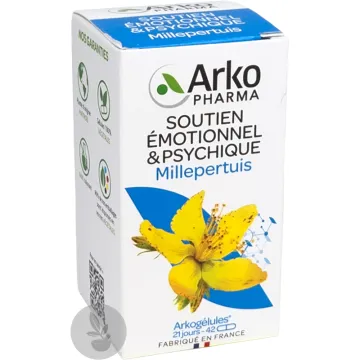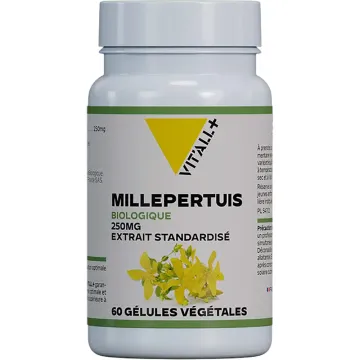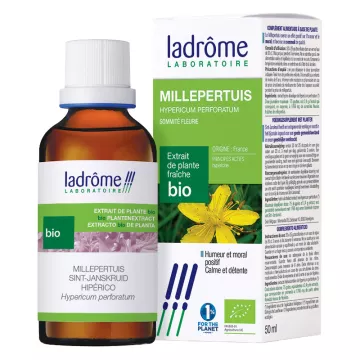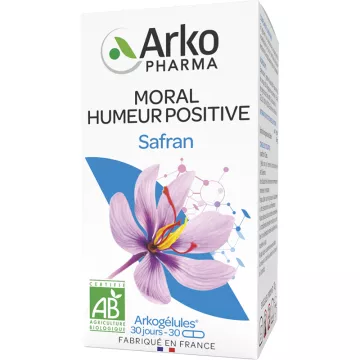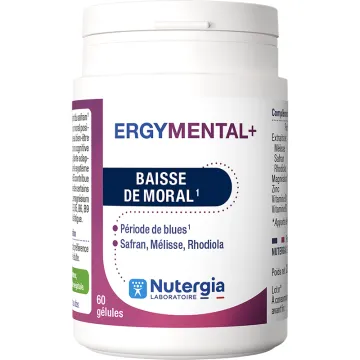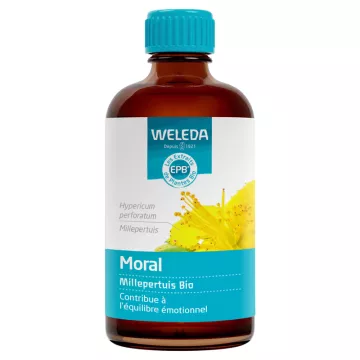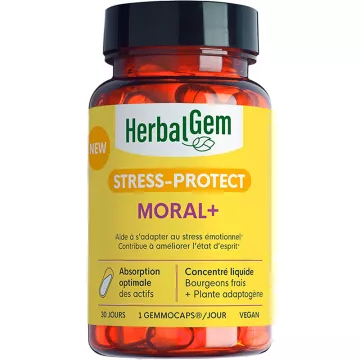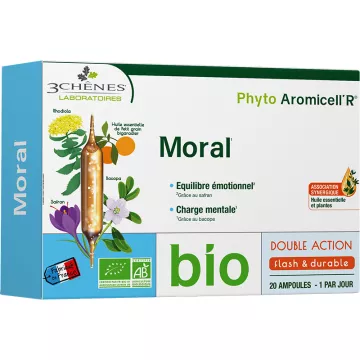
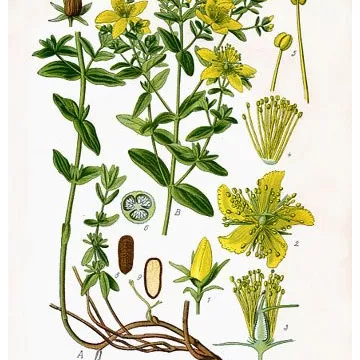
Low mood is a negative and generally temporary emotional state characterized by a vague feeling of sadness, discouragement, or a temporary loss of interest in activities that are usually enjoyed. It manifests as a lack of energy, mild sleep disturbances, and reduced concentration, without reaching the intensity or duration of a full-blown depressive episode. St. John’s wort (Hypericum perforatum, standardized to hypericin) is the go-to herb in herbal medicine for mild to moderate low mood—its effectiveness for mild depressive states is one of the best-documented in clinical herbal medicine.
St. John’s wort, however, has significant contraindications that must be understood before use: it is a potent hepatic enzyme inducer and interacts with numerous medications—oral contraceptives (risk of reduced effectiveness), anticoagulants, antiretrovirals, immunosuppressants, and SSRI-type antidepressants (risk of serotonin syndrome). It is also photosensitizing—avoid intense sun exposure during treatment. A consultation with a pharmacist or doctor is essential before starting a course of St. John’s wort, particularly if you are currently taking other medications.
The causes of low mood are numerous and often interrelated:
A low mood differs from a depressive state in its duration (usually a few days to two weeks) and its gradual resolution over time with simple measures. If symptoms persist beyond two weeks, worsen, or if feelings of despair arise, a medical or psychological consultation is essential—St. John’s wort and other herbs are never a substitute for professional advice in these situations.
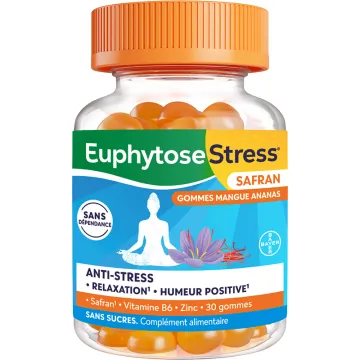
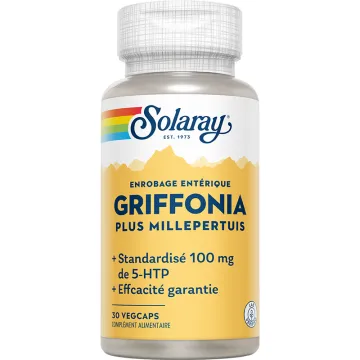
For people taking medications that are incompatible with St. John’s wort (birth control pills, blood thinners, SSRIs), several herbal alternatives exist. Griffonia (5-HTP—a direct precursor to serotonin) supports mood through a different mechanism—however, it has its own absolute contraindications when taken with SSRIs, SNRIs, and tramadol, and must never be combined with St. John’s wort (cumulative risk of serotonin syndrome). Saffron (standardized extract containing safranal and crocin) has shown promising clinical data regarding mood support, with a more limited profile of drug interactions than St. John’s wort—it is contraindicated during pregnancy.
In addition, vitamin D3 (1,000–2,000 IU/day) corrects the nearly universal winter deficiency associated with seasonal low mood, and magnesium bisglycinate (300 mg/day) reduces irritability and emotional hyperreactivity linked to chronic stress. Regular physical exercise, exposure to natural light in the morning, and maintaining social connections remain the most effective behavioral strategies and usefully complement any herbal therapy.