What is a liver stimulant, and how does it affect the liver?
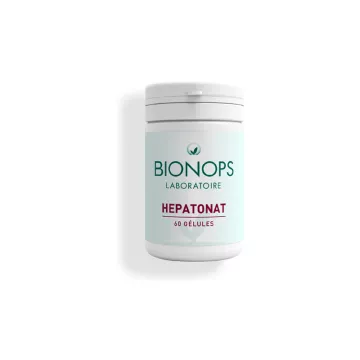
A liver stimulant is a natural or medicinal active ingredient that improves liver function by stimulating bile production, protecting liver cells from oxidative damage, and promoting their regeneration. For a comprehensive resource on liver conditions, visit our page on liver disorders. Our line of detox supplements features the most targeted liver-protective formulas.
- Mechanisms of action: choleretic (increased bile production) — hepatoprotective (stabilization of hepatocyte membranes) — intrahepatic antioxidant (glutathione, SOD, catalase) — regenerative (stimulation of hepatic protein synthesis) — anti-inflammatory (inhibition of NF-κB, TNF-α)
- Main indications: hepatic steatosis (fatty liver, NASH) — mild to moderate hepatitis — occasional dietary excess — support during hepatotoxic chemotherapy — prevention in exposed individuals (alcohol, medications, solvents)
- Special considerations: cirrhosis (use with caution—certain active ingredients are contraindicated in cases of severe liver failure)—pregnancy and breastfeeding (milk thistle is contraindicated—desmodium is generally avoided—turmeric in high doses is contraindicated)
- Not indicated as monotherapy for: advanced cirrhosis, active viral hepatitis under antiviral treatment, decompensated liver failure → specialized medical supervision is essential
- Product quality: prefer standardized extracts (silymarin titrated to ≥ 70% silymarin, curcumin + piperine, lecithin phospholipids) — traceability of botanical origin — GMP (Good Manufacturing Practices) standards
Major natural liver stimulants and their mechanisms
- Milk thistle (silymarin): the gold standard hepatoprotective agent — stabilizes hepatocyte membranes (inhibits toxin entry) + stimulates liver regeneration (protein synthesis) + powerful antioxidant (free radical scavenger) — 150–300 mg of standardized silymarin/day — interactions: may alter the metabolism of certain medications via CYP2C9 and CYP3A4
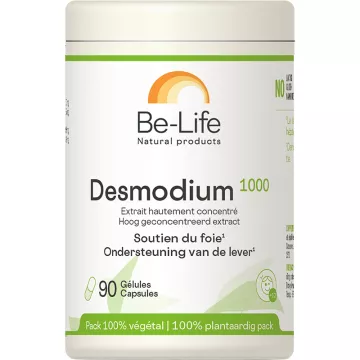
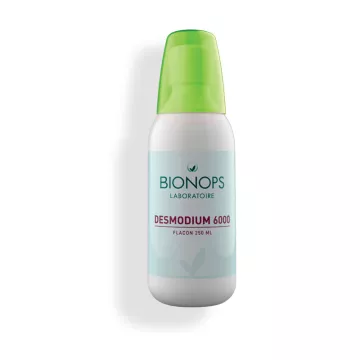
- Desmodium (Desmodium adscendens): hepatoprotective and choleretic — particularly indicated for drug-induced and alcoholic hepatitis — used in traditional African medicine + validated by clinical studies — 300–600 mg/day of standardized extract
- Turmeric (curcumin + piperine): liver anti-inflammatory (NF-κB, COX-2) + choleretic + antioxidant — positive clinical data in NASH — 500–1,000 mg of standardized extract per day with piperine — Contraindicated in patients with known gallstones
- N-acetylcysteine (NAC): precursor to glutathione — glutathione is the liver’s major intracellular antioxidant — essential in acetaminophen-induced hepatotoxicity (IV antidote) — as a supplement: 600 mg × 2/day — supports Phase II detoxification
- Alpha-lipoic acid (ALA): amphoteric antioxidant (both water-soluble and fat-soluble) — regenerates intrahepatic glutathione, vitamin C, and vitamin E — 300–600 mg/day — documented benefits in alcoholic and non-alcoholic fatty liver disease
Drug Interactions and Precautions
- Cytochromes P450 (hepatic metabolism): Many liver-supporting agents alter cytochrome activity — milk thistle (CYP2C9, CYP3A4) — turmeric (CYP1A2, CYP3A4) — artichoke (CYP3A4) — risk of interaction with oral anticoagulants (VKA), antiretrovirals, immunosuppressants, and statins — consult a pharmacist before combining with any of these
- Anticoagulants (warfarin, fluindione): Milk thistle may increase or decrease the INR depending on the study — increased INR monitoring — do not begin treatment without medical advice if taking VKAs
- Pregnancy: milk thistle is contraindicated (CI) — desmodium should be avoided due to lack of data — turmeric at therapeutic doses is contraindicated (CI) (uterotonic effect) — ALA is contraindicated (CI) — prefer artichoke at dietary doses + a hepatoprotective diet
- Autoimmune diseases: certain liver stimulants (Desmodium) may modulate immunity—use with caution while taking immunosuppressants—consultation with a rheumatologist or hepatologist recommended
- Treatment duration: milk thistle 3 months, renewable — desmodium 1–3 months — turmeric 3 months — do not use continuously without medical reevaluation every 3 months
Diet, Lifestyle, and Choosing the Right Liver Tonic
- Liver-protective diet: coffee (reduces the risk of cirrhosis by 40%) — cruciferous vegetables (sulforaphane, activates Phase II detoxification) — berries (anthocyanins, liver antioxidants) — nuts (vitamin E, fatty acids) — olive oil — see our detox and weight-loss line
- Indications for a liver-supporting regimen: after a period of overeating (holidays) — to support a detox regimen — chronic liver fatigue with abnormal test results — diagnosed fatty liver — support during and after chemotherapy (consultation with an oncologist is essential)
- Selection criteria: NASH or fatty liver → milk thistle + omega-3 + vitamin E — drug-induced or alcoholic hepatitis → desmodium + NAC — hepatic oxidative stress → ALA + milk thistle — mild cholestasis → turmeric + artichoke (if no gallstones) — see our gallbladder page
- Laboratory monitoring: liver function tests (ALT, AST, GGT, PAL, bilirubin) before and after a 3-month course of treatment — if there is a paradoxical elevation in transaminases while taking a liver stimulant → stop treatment immediately and consult a doctor
- Consult a physician if: abnormal liver function tests on 2 consecutive checkups — jaundice — unexplained fatigue + dark urine + pale stools — any signs of liver dysfunction in a patient taking hepatotoxic medication (MTX, amiodarone, statins, acetaminophen > 2 g/day)