Light sleep refers to a predominance of stages N1 (falling asleep, 5% of total sleep) and N2 (confirmed light sleep, 50% of total sleep) at the expense of stage N3 (deep slow-wave sleep, ideally 15–20% of total sleep). In stage N3, the arousal threshold is high, the muscles relax completely, and physical, immune, and cognitive recovery is at its peak. Light sleep is characterized by increased sensitivity to external stimuli—a noise, a change in light, or a movement is enough to trigger a micro-awakening. Chronic light sleep leads to persistent daytime sleepiness even after an apparently sufficient amount of sleep.
Light sleep results from internal and environmental factors that are often cumulative. Stress and nocturnal sympathetic hyperactivity (elevated cortisol) perpetuate light sleep stages.Anxiety activates the prefrontal cortex at night, preventing entry into N3. Aging naturally reduces N3 sleep after age 50. Magnesium deficiency (a cofactor for GABA-A receptors and an NMDA modulator) increases nocturnal neuronal hyperexcitability. Blue light from screens before bedtime suppresses melatonin and artificially keeps the brain in light sleep stages. A bedroom that is too warm (>20°C) prevents the central temperature drop necessary for entering N3 sleep.
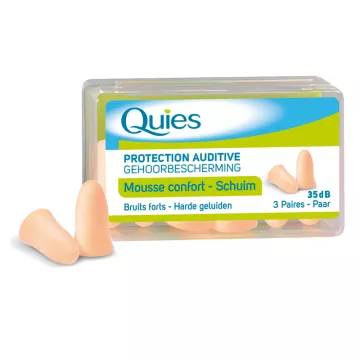
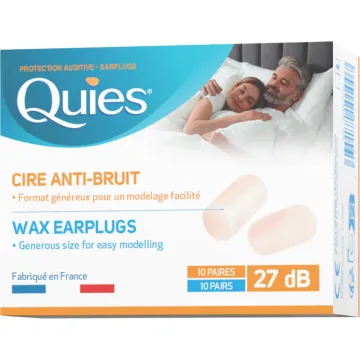
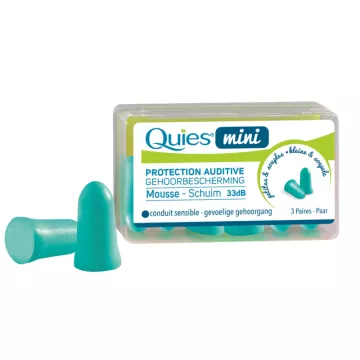
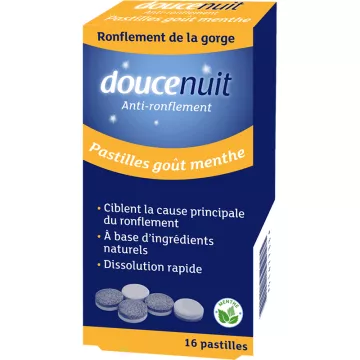
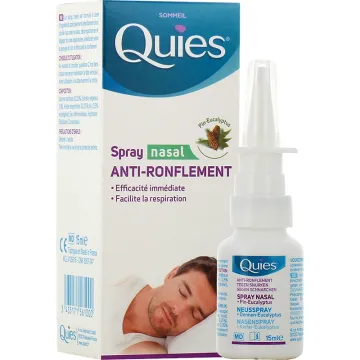
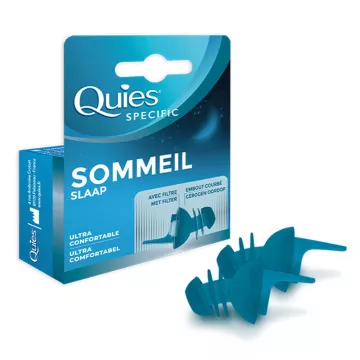
Hearing protection is often underestimated as a way to promote deeper sleep. A partner’s snoring, which can reach 60 to 90 decibels (equivalent to a car on the road), is one of the most common causes of light sleep in the person sharing the bed. Natural wax earplugs (moldable, soft, 27 dB attenuation) are best tolerated over the long term. Foam earplugs (33–36 dB attenuation) offer superior protection for very noisy environments. Severe snoring by a partner also warrants direct treatment (lubricating spray, mandibular splint, or an ENT consultation to rule out sleep apnea).
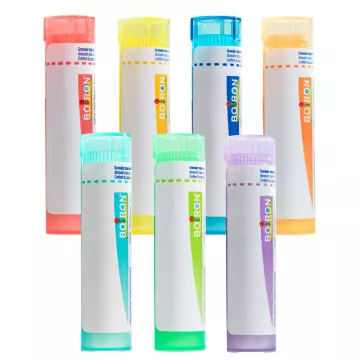
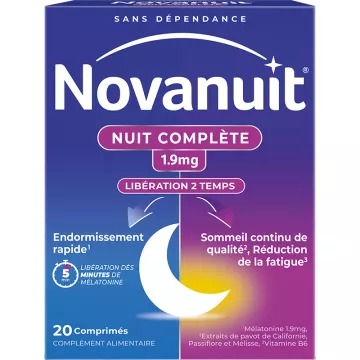
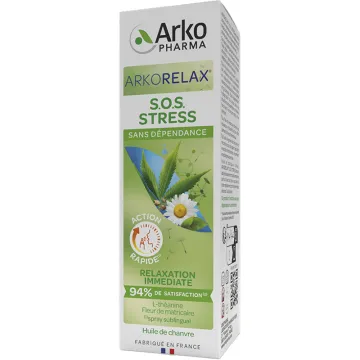
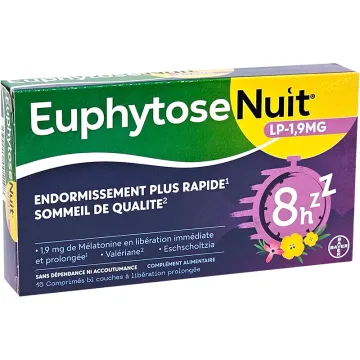
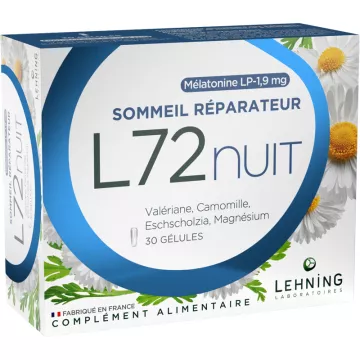
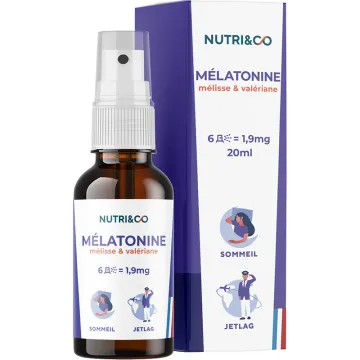
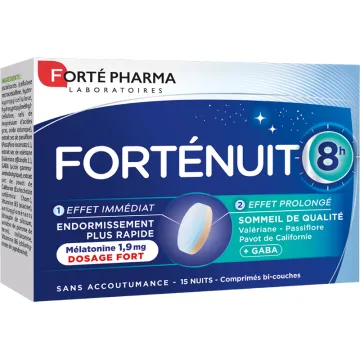
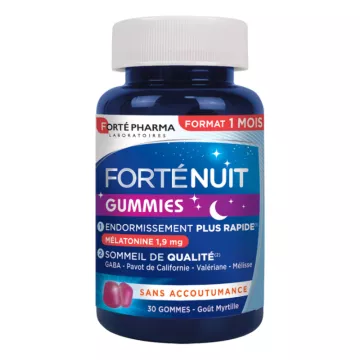
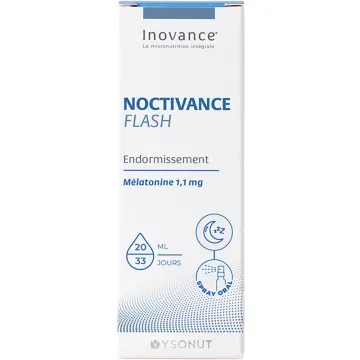
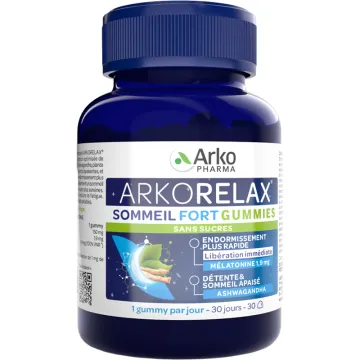
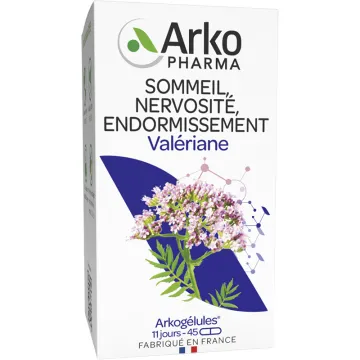
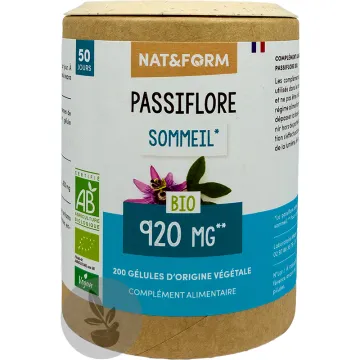
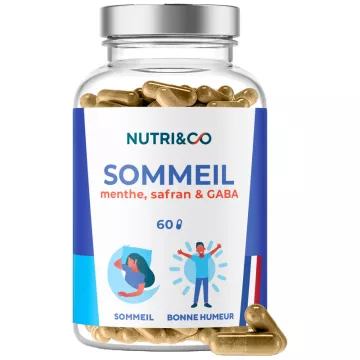
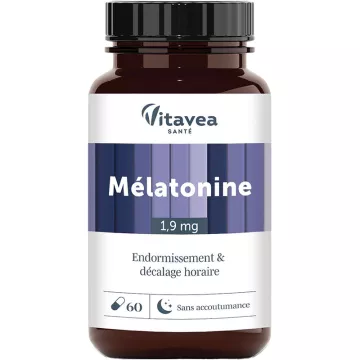
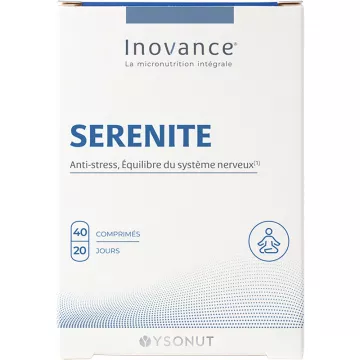
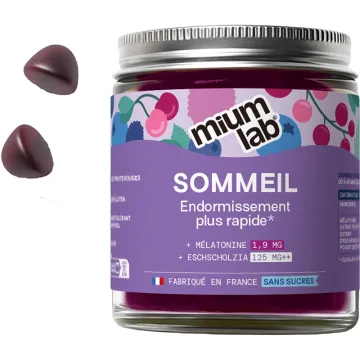
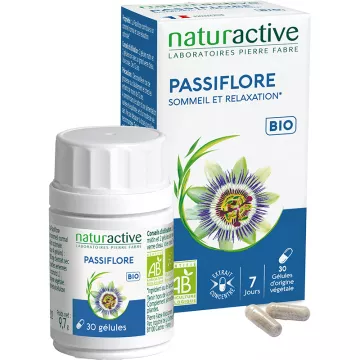
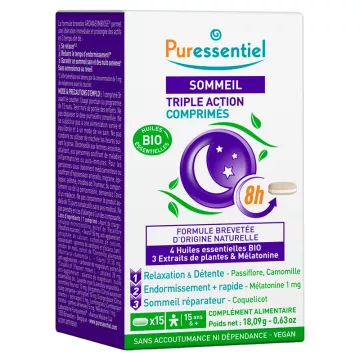
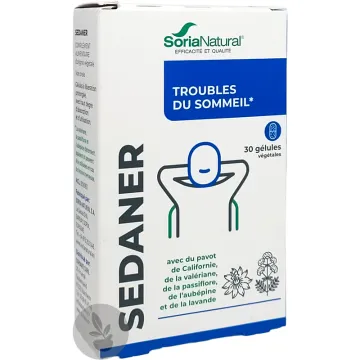
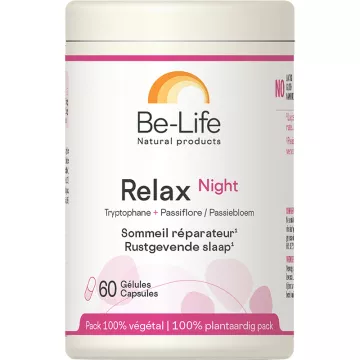
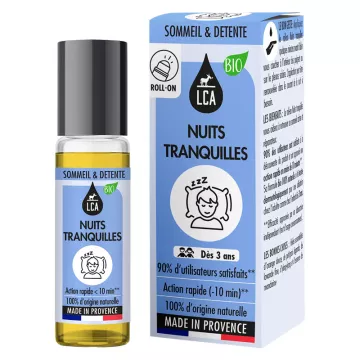
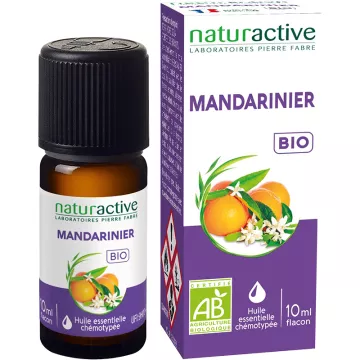
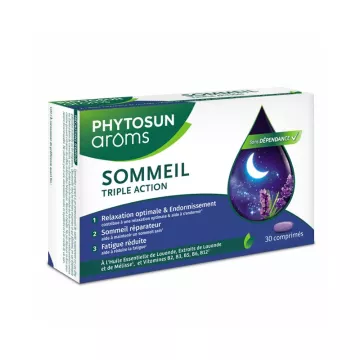
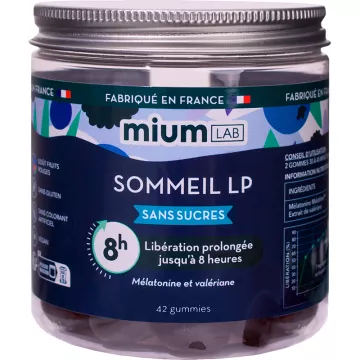
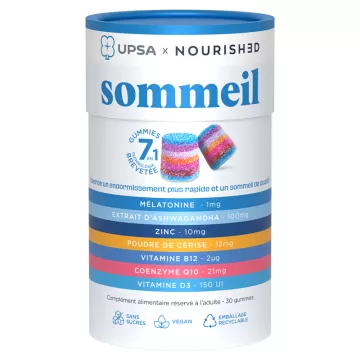
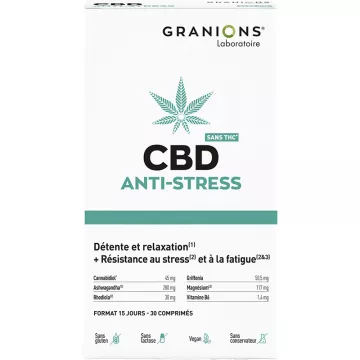
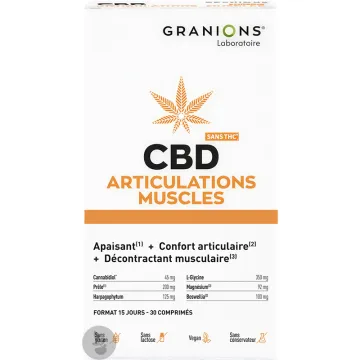
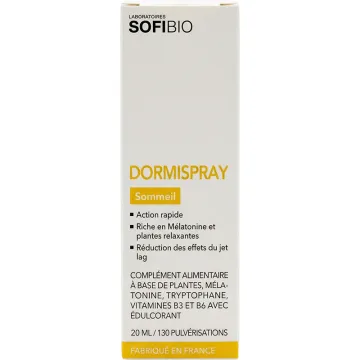
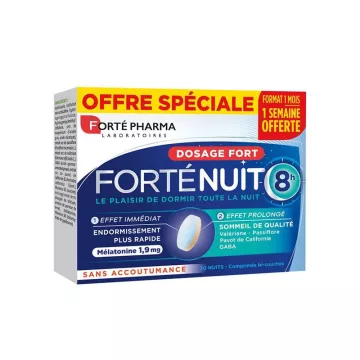
Several active ingredients specifically affect the depth and continuity of sleep:
These active ingredients can be combined without interaction to provide a synergistic effect on sleep depth.
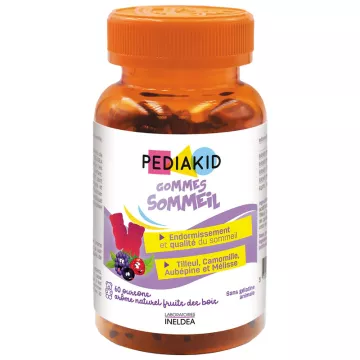
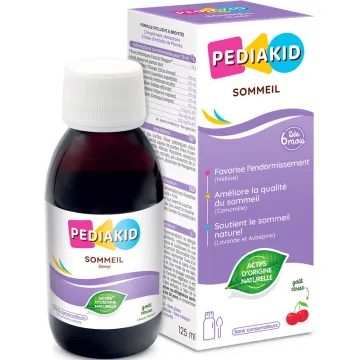
The bedroom environment directly influences the distribution of sleep stages. The optimal temperature for N3 is between 18 and 19°C—every degree above 20°C gradually reduces the duration of deep sleep. Total darkness is essential: even dim ambient light activates retinal receptors and inhibits melatonin. A lukewarm bath (37–38°C) 1 to 2 hours before bedtime accelerates the central temperature drop that triggers the transition into N3. A pediatric syrup made from mild herbs (lemon balm + passionflower + melatonin in a child-appropriate dose) helps children who are naturally light sleepers consolidate their sleep cycles and extend their deep sleep phases.
Persistent light sleep despite an optimized sleep environment and properly administered supplementation for 4 to 6 weeks warrants a medical consultation. Priority situations include: light sleep associated with severe daytime sleepiness (wakefulness tests < 11 minutes), which may indicate undiagnosed obstructive sleep apnea; nighttime awakenings with palpitations or profuse sweating (hormonal or cardiac causes should be investigated); restless legs or nighttime restlessness (restless legs syndrome; iron deficiency should be tested for). A polysomnographic study in a sleep lab allows for precise quantification of sleep stage distribution and identification of the cause. Non-restorative sleep and light sleep often share the same causes—their management is largely complementary.