0
Menu

Letting Go: Rhodiola, Griffonia, Valerian, and Cardiac Coherence

Filter
Number of products : 11
Sort
Sort
Close
Puressentiel Organic True Lavender Essential Oil -20% Puressentiel Organic True Lavender Essential Oil
10 ml 30 ml
€5.99 €7.49
Add to cart
Shipped within 24h
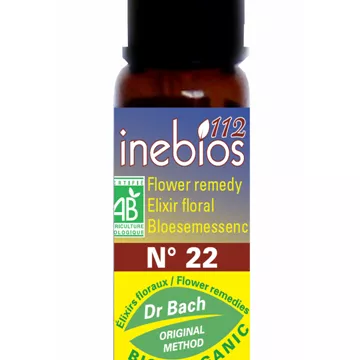
Bach Flower Remedies: Oak 10 ml Inebios Oak No. 22 Bach Flower Remedies: Oak 10 ml Inebios Oak No. 22
€5.55
Shipped within 24h
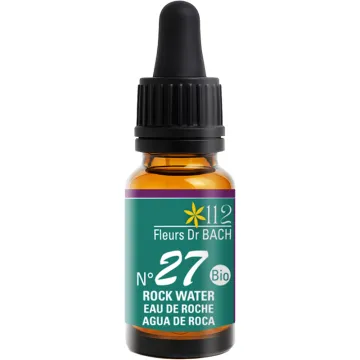
Bach Flower Remedies Rock Water 10ml Inebios Rock Water N°27 Bach Flower Remedies Rock Water 10ml Inebios Rock Water N°27
€5.55
Shipped within 24h
Biofloral Bach Flower Remedies 22 Oak Alcohol-Free Granules Biofloral Bach Flower Remedies 22 Oak Alcohol-Free Granules
€9.95
Shipped within 24h
LCA Anti-Stress Massage Oil LCA Anti-Stress Massage Oil
€9.95
Shipped within 24h
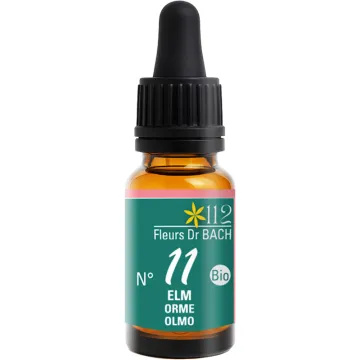
Bach Flower Remedies Elm Inebios Elm 10ml N°11 Bach Flower Remedies Elm Inebios Elm 10ml N°11
€5.55
Shipped within 24h
Bach Flower Remedies Rock Water 20 ml Original Rock Water -20% Bach Flower Remedies Rock Water 20 ml Original Rock Water
€9.59 €11.99
Shipped within 24h
Bach Flower Remedies: Oak 20 ml Original Oak -20% Bach Flower Remedies: Oak 20 ml Original Oak
€9.59 €11.99
Shipped within 24h
Biofloral Bach Flower Remedies 11 Elm Alcohol-Free Granules Biofloral Bach Flower Remedies 11 Elm Alcohol-Free Granules
€9.95
Shipped within 24h
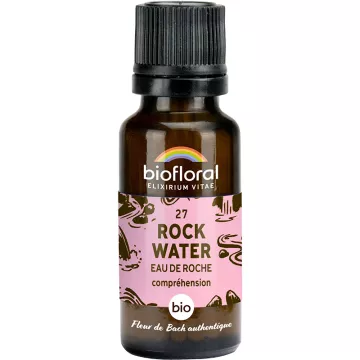
Biofloral Bach Flower Remedies 27 Rock Water Granules alcohol free Biofloral Bach Flower Remedies 27 Rock Water Granules alcohol free
€9.95
Shipped within 24h
Bach Flower Remedies Elm Original 20ml -20% Bach Flower Remedies Elm Original 20ml
€9.59 €11.99
Sent in 5 in 7 working days

What is letting go, and why is it beneficial to your health?

Letting go refers to the ability to relinquish control over things beyond one’s control—events, other people’s behaviors, uncertain outcomes—in order to regain a state of inner calm and reduce excessive cognitive and emotional strain. Physiologically, a state of constant vigilance and control keeps the sympathetic nervous system in a state of chronic activation, leading to sustained elevations in cortisol, blood pressure, and heart rate. This chronic, low-intensity anxiety impairs sleep quality, weakens the immune system, and contributes to nervous exhaustion. Practicing letting go is not passive resignation—it is an active regulation of the nervous system that allows you to focus your energy on what is truly actionable.

The documented benefits of regular practice include a reduction in biological markers of stress (salivary cortisol, inflammatory CRP), improved heart rate variability (an indicator of the autonomic nervous system’s resilience), better sleep quality, and a reduction inpost-traumatic stress symptoms in certain therapeutic protocols.

What practical techniques can help you learn to let go?

Several complementary approaches form the foundation of an effective daily practice of letting go:

  • Mindfulness: non-judgmental observation of thoughts and emotions without identifying with them—10 to 20 minutes of meditation per day measurably reduces cortisol and activity in the amygdala (the brain’s fear center)
  • Diaphragmatic breathing (cardiac coherence): 5 breaths per minute for 5 minutes, 3 times a day—activates the vagus nerve and the parasympathetic nervous system, producing an immediate and cumulative calming effect
  • Cognitive-Behavioral Therapy (CBT): restructures catastrophic thought patterns and excessive control behaviors — the gold standard for treating anxiety disorders
  • Emotional journaling: writing down concerns, distinguishing between what is within your control and what is not, and listing possible concrete actions — reduces mental rumination
  • Regular physical activity: releases endorphins and reduces cortisol—30 minutes of brisk walking or yoga is enough to produce a measurable anxiety-reducing effect

What natural supplements support the ability to let go?

When chronic stress has set in, certain micronutrients and adaptogenic herbs can biologically support the ability to relax and let go. Magnesium (bisglycinate or malate—300 mg/day) is the first deficiency to address in cases of chronic stress: it regulates the cortisol response, reduces neuromuscular excitability, and improves sleep quality. Rhodiola (Rhodiola rosea—an adaptogen—standardized extract containing rosavins and salidroside) strengthens physical and mental resistance to stress, reduces cognitive fatigue, and improves emotional resilience—take in the morning; contraindicated in cases of bipolar disorder and agitation. Griffonia (5-HTP—a serotonin precursor) supports mood balance and reduces anxious rumination—contraindicated when taken with serotonergic antidepressants (SSRIs, SNRIs, tramadol). Valerian (EMA: well-established use) soothes nervous agitation and helps you fall asleep after a day of accumulated stress. These supplements support relaxation practices—they are not a substitute for psychological counseling in cases of diagnosed anxiety disorders.