Motion sickness is the medical term for travel sickness—a dysfunctional response of the autonomic nervous system to a vestibulo-visual sensory conflict. Children ages 2 to 12 are particularly vulnerable: their central nervous system is still undergoing myelination, which makes it more difficult to integrate conflicting sensory signals. Starting at ages 12–15, symptoms subside as the brain matures. Characteristic signs in children include paleness, excessive salivation, unusual silence, and drowsiness preceding vomiting—which is often predictable 30 to 60 minutes after departure. The stress and anxiety associated with the trip exacerbate symptoms in children who have had previous episodes.
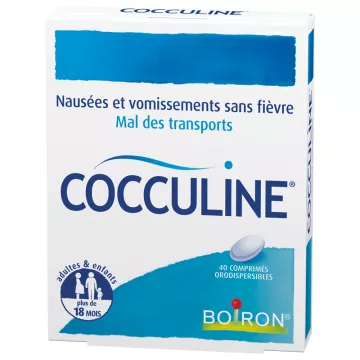
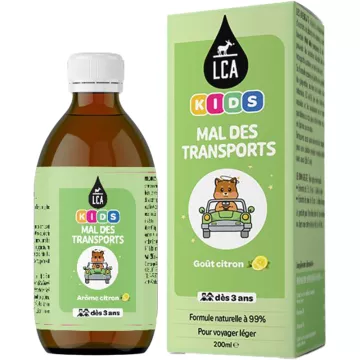
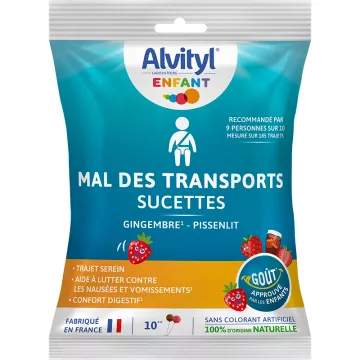
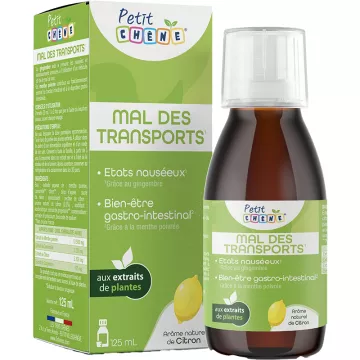
Several formulations specifically adapted for children are available at drugstores. Motion sickness lollipops (ginger + lemon, for ages 3 and up) combine the antiemetic action of ginger (gingerols/5-HT3 inhibition) with a flavor that children find appealing—to be sucked on 30 minutes before departure and during the trip. Lemon-flavored pediatric syrups (homeopathic or diluted herbal remedies) are suitable for children ages 2 and up who refuse to take tablets. The organic aromatherapy roll-on (essential oils of ginger, peppermint, lemon, and lavender in a non-irritating base) is applied to the wrists, temples, and behind the ears—do not ingest; suitable for ages 6 and up. The homeopathic syrup should be given every 30 minutes during the trip; it does not have the sedative effects of antihistamines.
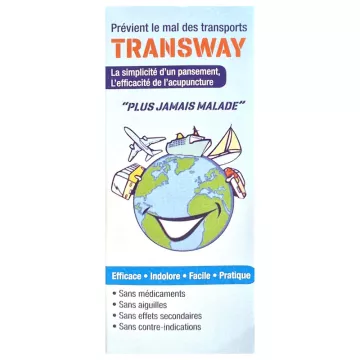
Anti-nausea patches (transcutaneous acupressure devices) offer an innovative, non-oral approach. Their mechanism relies on continuous pressure on the P6 point (Nei Guan, on the inner side of the wrist, three finger-widths from the crease between the two flexor tendons)—stimulation that modulates the transmission of nausea signals via the vagus nerve. Their effectiveness varies (they work best for mild to moderate nausea), and they have no side effects or contraindications—making them particularly suitable for children ages 3 and up who are reluctant to take pills and for pregnant women for whom medication options are limited. Apply 30 to 60 minutes before departure. Specially formulated pediatric remedies cover all of a child’s health needs while traveling.
Two main profiles guide the choice of treatment for pediatric motion sickness:
If Cocculus does not produce satisfactory results, Petroleum is worth trying on the next trip—the two remedies cover the majority of profiles.
Several practical measures significantly reduce episodes. Position: center rear seat (the front seat is prohibited for children under 10), head supported, looking forward or toward the horizon. Never read or use a screen during the trip (maximum visual conflict). Ventilate the car regularly to keep the air fresh. Plan a light meal 1–2 hours before departure (neither on an empty stomach nor a full one). Active distraction (music, singing, conversation) reduces hypervigilance to nausea-inducing sensations. Take breaks every 1.5–2 hours outdoors. Recovery from an episode of motion sickness can cause temporary fatigue similar to a brief period of convalescence —plan for a snack and rest upon arrival.
Motion sickness is benign in the vast majority of cases and does not require routine medical consultation. Medical advice is warranted if: severe vomiting leading to dehydration (the child is unable to keep fluids down for more than 4–6 hours), severe motion sickness during smooth travel (slow train, car on a flat road) suggesting an underlying vestibular disorder, dizziness persisting for several hours after the trip ends, or a first episode in a child who has recently suffered a head injury. Oral antihistamine treatment (meclizine, dimenhydrinate—under medical supervision for children under 6 years of age) may be considered for unavoidable travel in severely affected children who do not respond to natural remedies. Infant colic and motion sickness in infants share an underlying digestive sensitivity that may warrant pediatric gastroenterological follow-up if both conditions coexist.