What Is Sensitive Skin?
Sensitive skin represents the most extreme degree of skin reactivity. It reacts immediately—and sometimes disproportionately—to most stimuli, such as cosmetics, friction, temperature changes, pollution, stress, and certain types of tap water. Symptoms vary widely: tightness, tingling, a burning sensation, localized or widespread redness, flaking, and sometimes mild swelling. This intolerance results from a dysfunction of the skin barrier, in which the lipid layers and intercellular cement no longer perform their protective role properly.
How can it be distinguished from sensitive skin?
This distinction is essential for choosing the right skincare products:
- Sensitive skin: reacts occasionally to certain identified triggers (seasonal changes, specific products);
- Reactive skin: exhibits visible symptoms (redness, tingling) in response to various stimuli;
- Intolerant skin: reacts almost systematically to nearly all products, including those labeled “for sensitive skin.” Tolerance to common cosmetic excipients is impaired;
- Intolerance may be idiopathic or part of a dermatological condition (seborrheic dermatitis, rosacea, chronic contact eczema).
This classification guides treatment: the more extreme the reactivity, the more streamlined and carefully selected the skincare routine must be.
What factors trigger reactions?
Typical triggers to identify include:
- Fragrances, preservatives (methylisothiazolinones), sulfated surfactants, drying alcohols;
- Hard, calcareous, or heavily chlorinated water;
- Mechanical friction, exfoliation (scrubs, brushes);
- Thermal shocks (hot/cold, scalding showers, direct air conditioning);
- Chronic stress, sleep disturbances;
- UV exposure and prolonged urban pollution;
- Trigger foods for some people (spices, alcohol, fast-acting sugars).
Keeping a reaction journal for 4 to 6 weeks often helps identify the predominant personal factors.
What daily skincare routine should you prioritize?
The golden rule is simplicity: fewer products, carefully selected, with short INCI lists.
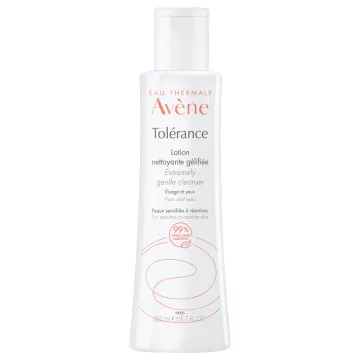
- Cleansing: micellar water or a mild, soap-free syndet, using lukewarm (not hot) water;
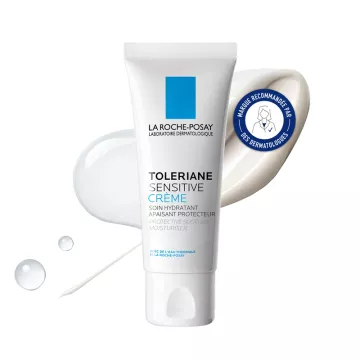
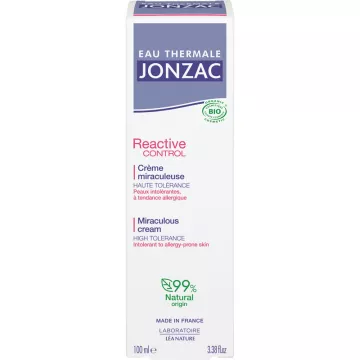
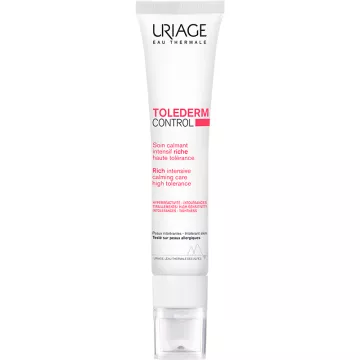
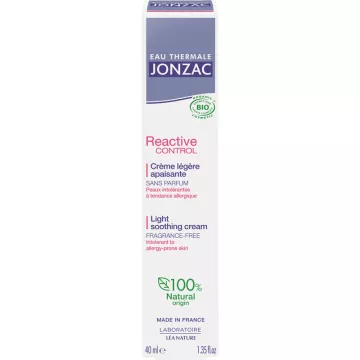
- Moisturizing: a cream or emulsion designed for comfort, rich in glycerin, shea butter, squalane, and low-dose niacinamide;
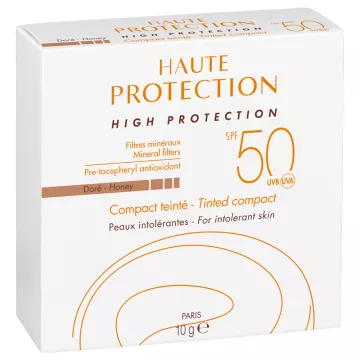
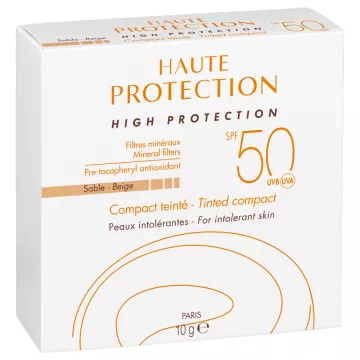
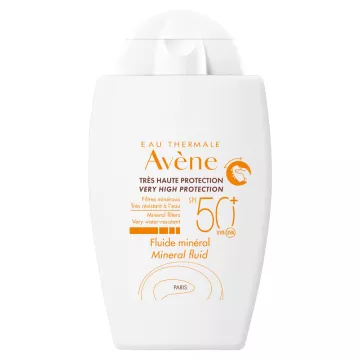
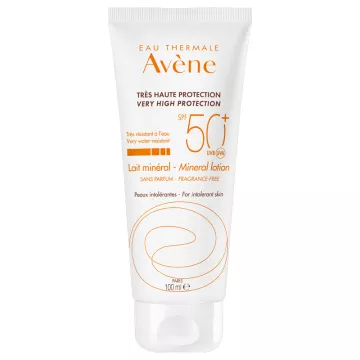
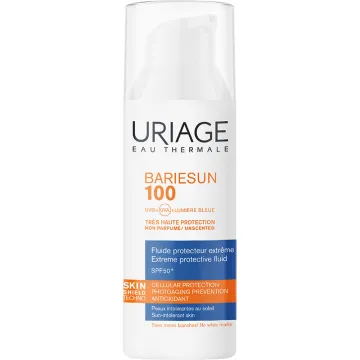
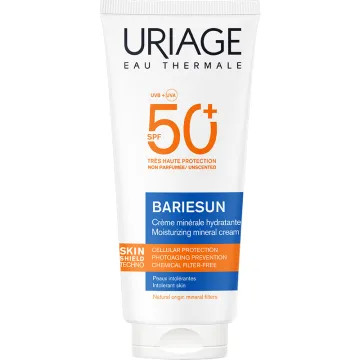
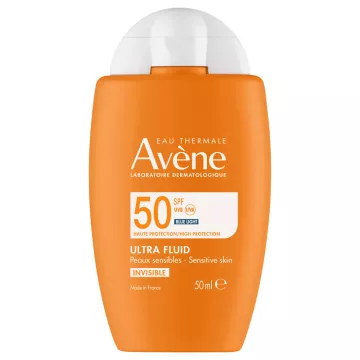
- Sun protection: mineral SPF (zinc oxide, titanium dioxide), formulas designed for ultra-sensitive skin;
- Choose products labeled as “skin-tolerant” and “hypoallergenic”;
- Test each new product on the inner elbow for 3 days before applying it to the face;
- Avoid scrubs, peels, astringent lotions, and exfoliating acids in your daily routine.
How to manage a flare-up of irritation?
During a flare-up, simplify your routine even further:
- Temporarily stop using all non-essential products (serums, exfoliants, makeup);
- Spray soothing thermal water several times a day;
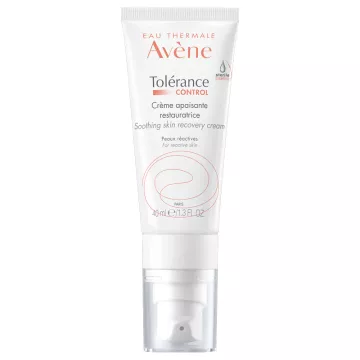
- Apply a barrier-repairing cream formulated for reactive skin and rich in ceramides;
- Avoid touching the affected area;
- If itching persists, there is significant flaking, oozing, or the condition worsens after 7 to 10 days: consult a dermatologist. Any lesion that is accompanied by a fever, oozes, or spreads rapidly requires immediate medical attention.
Does thermal water really make a difference?
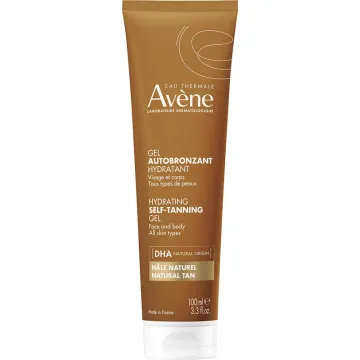
The most widely studied thermal waters (Avène, La Roche-Posay, Uriage, Vichy) contain trace elements (selenium, silicates, bicarbonates) whose soothing and moisturizing effects have been documented in dermatological publications. They do not “treat” sensitive skin, but they provide immediate comfort and help support the skin barrier as part of a daily routine. Whether in spray, serum, or cream form, the format should be chosen based on current needs.
Can you wear makeup without aggravating skin sensitivity?
Yes, under three conditions:
- Choose mineral makeup or foundations specifically formulated for sensitive skin (fragrance-free, free of problematic preservatives, and nickel-free);
- Apply a protective primer before makeup to shield the skin;
- Gently remove makeup in the evening with a micellar cleanser or a hypoallergenic makeup remover oil.
Replace products regularly: bacterial contamination in products that have been open for more than a year often worsens skin sensitivity.
When should you see a dermatologist?
A consultation is necessary when:
- Reactions occur daily despite a minimalist skincare routine;
- Persistent patches, cracks, or oozing appear;
- There is suspicion of underlyingrosacea, contact eczema, or seborrheic dermatitis;
- Reactions spread to other areas of the body;
- There is a significant impact on quality of life.
The dermatologist may order diagnostic tests (allergy patch tests), short-term prescribed treatments, and a personalized care plan, in collaboration with a community pharmacist to provide daily support.