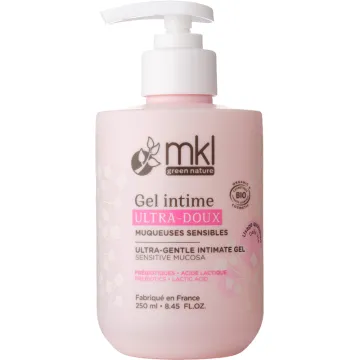
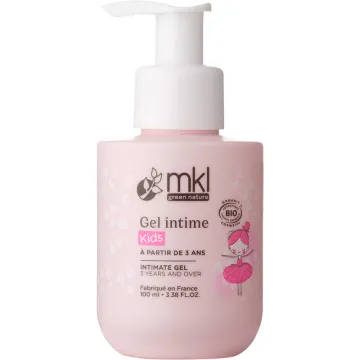
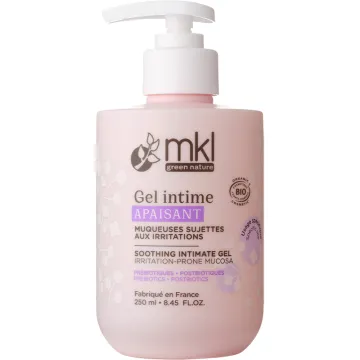
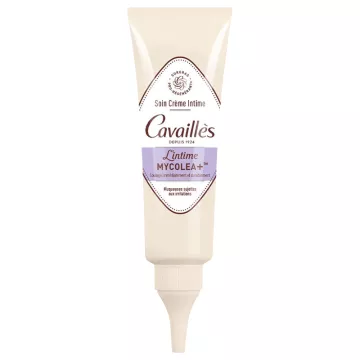
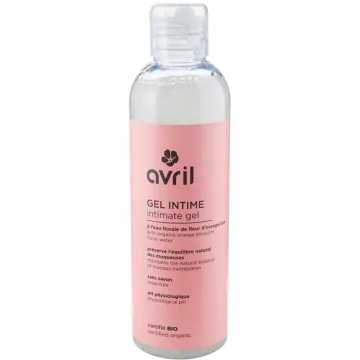
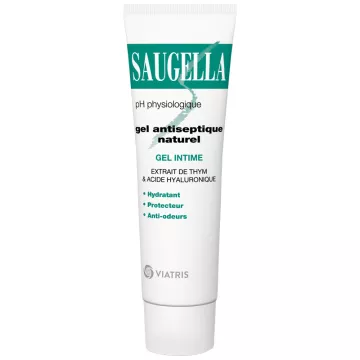
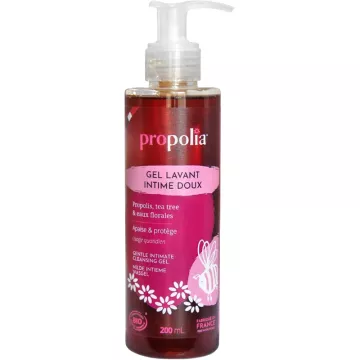
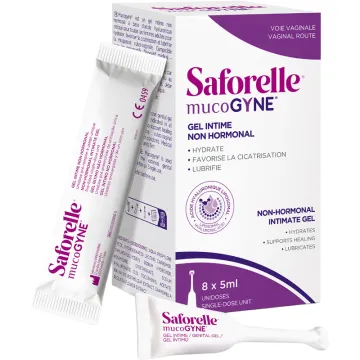
Intimate wash is a hygiene product specially formulated to cleanse the vulva and external genital area while maintaining its natural balance. Unlike regular body soap, whose alkaline pH disrupts the protective flora, intimate wash is formulated with a pH between 3.5 and 4.5, which is close to the natural pH of the vaginal flora. Regular use, once or twice a day, helps prevent vaginal irritation and infections without disrupting the protective lactobacilli.
For a suitable intimate wash, the essential criteria are a slightly acidic pH (3.5–4.5) and a hypoallergenic formula that is fragrance-free, alcohol-free, and paraben-free. Gels enriched with soothing ingredients— aloe vera, calendula, chamomile—hydrate the vulvar mucosa and reduce micro-irritations. You should also check that it is free of SLS (sodium lauryl sulfate): this harsh detergent can dry out the mucous membrane and contribute to imbalances in the vaginal flora.
A well-formulated intimate wash maintains an optimal pH level that inhibits the growth of pathogenic bacteria and yeast. It preserves the lactobacilli in the vaginal flora, which provide natural protection against infections. It prevents vaginal dryness by preserving the vulva’s hydrolipidic film. For women prone to yeast infections or recurrent bacterial vaginosis, a suitable intimate gel is an effective and non-invasive daily preventive measure.
Proper use of an intimate gel follows a few simple rules. Apply a small amount to the external area (vulva), massage gently, and rinse thoroughly with lukewarm water. Never insert the gel into the vagina—the vaginal lining is self-cleaning. One to two applications per day are sufficient; excessive use may destroy the protective lactobacilli. Dry the area thoroughly after showering to prevent maceration.
An unsuitable intimate gel or one used incorrectly can cause adverse effects. A pH that is too alkaline disrupts the vaginal flora and promotes bacterial vaginosis. Fragrances and dyes can trigger allergic reactions in sensitive skin. Excessive use dries out the mucous membrane and strips away natural protective oils. Internal use—vaginal douching—is strongly discouraged because it severely disrupts the vaginal ecosystem and increases the risk of recurrent infections.
The fundamental difference lies in the formulation. Regular soap has an alkaline pH (8–10) that is incompatible with the intimate area; it destroys lactobacilli and raises the vaginal pH—conditions that promote infections. Intimate wash is formulated with a slightly acidic pH, respecting the natural balance. It also contains soothing active ingredients not found in conventional soaps. Regular use of a suitable intimate wash is recommended for women prone to recurrent intimate imbalances.
Yes, a well-formulated intimate wash is safe to use during pregnancy. Pregnancy increases the risk of yeast infections and vaginal infections due to hormonal changes that alter the pH and composition of the vaginal flora. An intimate wash with a balanced pH, free of harsh chemicals, helps maintain the balance of the vaginal flora. It is recommended to choose formulas certified free of endocrine disruptors and to consult with your doctor or midwife before using the product.
No. An intimate gel is a preventive and hygiene product, not a treatment. It cannot treat an established vaginal infection —such as a yeast infection, bacterial vaginosis, or trichomoniasis—which require specific medical treatment. If you experience persistent symptoms—such as itching, unusual discharge, or a burning sensation—consult a healthcare professional immediately. Intimate gel can help prevent recurrences once the infection has been treated.