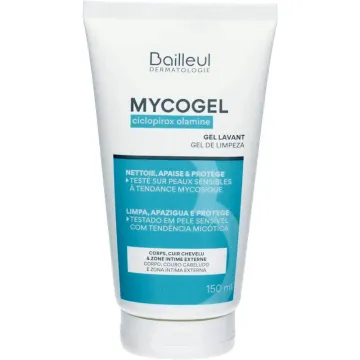
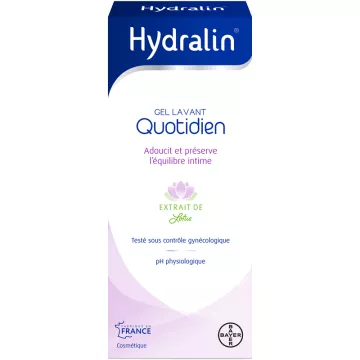
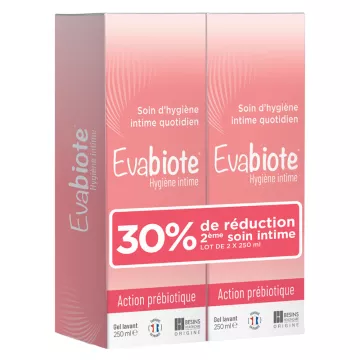
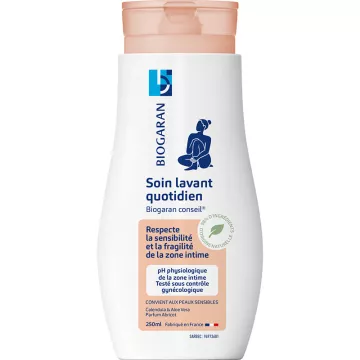
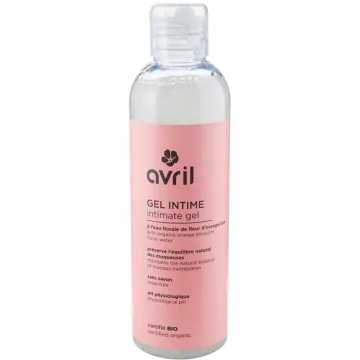
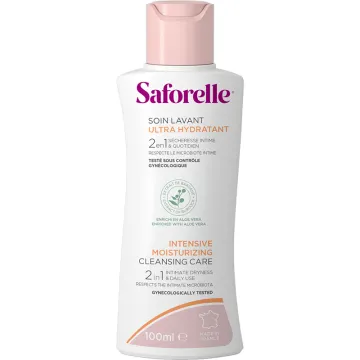
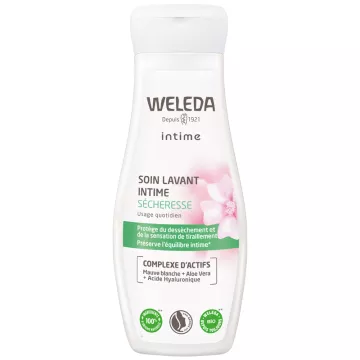
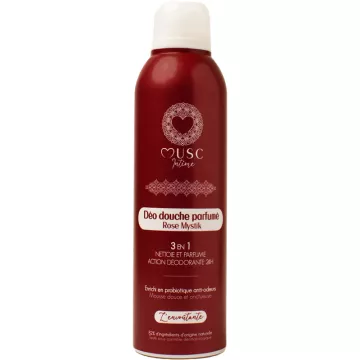
An intimate wash is a hygiene product designed to cleanse the external vulvar area while maintaining its natural balance. Its slightly acidic pH (between 3.5 and 4.5) is adjusted to match the natural pH of the vaginal flora —which is significantly more acidic than that of the skin on the rest of the body. This pH adjustment is the key factor that distinguishes an intimate wash from a standard body soap, which is too alkaline.
It’s important to carefully read the ingredients list of an intimate wash. Parabens—preservatives that are endocrine disruptors—and sulfates (SLS, SLES)—detergents that dry out the mucous membrane—should be avoided. Artificial dyes and synthetic fragrances frequently cause vaginal irritation. Alcohol weakens the mucous membrane and disrupts the protective flora. It’s best to choose minimalist formulas with a short list of recognizable natural ingredients.
Several natural active ingredients enrich high-quality formulas.Aloe vera is a leading moisturizer and soothing agent, particularly suited to sensitive mucous membranes. Chamomile, with its anti-inflammatory properties, reduces redness and discomfort. Calendula, lactic acid (a natural acidifier), and prebiotic extracts help maintain the balance of the vaginal flora. These active ingredients, combined in a formula free of harsh surfactants, make for a high-quality intimate wash.
The pH listed on the packaging (ideally 3.5–4.5) is the first criterion. Labels such as “paraben-free,” “sulfate-free,” “hypoallergenic,” and “dermatologically tested” indicate careful formulation. Organic or COSMOS Natural certifications guarantee the absence of endocrine disruptors. Reading the INCI list remains the most reliable method: the shorter and more understandable it is, the more refined the formula is and the gentler it is on the intimate area.
Several common mistakes compromise the effectiveness of intimate hygiene. Using regular soap or shower gel—which is too alkaline—disrupts the vaginal pH and promotes infections. Washing too frequently destroys protective lactobacilli. Applying the gel inside the vagina is not recommended because the vaginal lining is self-cleaning. Ignoring the first signs of vaginal dryness or irritation after using a product should prompt you to switch to a different formula without delay.
Yes, intimate wash gels formulated for daily use are gentle enough for daily use. One to two applications per day are sufficient to maintain good hygiene without disrupting the vaginal flora. Keep the routine simple: apply a small amount to the external vulva, rinse thoroughly with lukewarm water, and pat dry gently. Excessive use multiple times a day is not recommended, even with a perfectly suited gel.
Using an intimate wash is not only safe but also recommended during pregnancy. Hormonal changes in the first trimester alter the vaginal pH and increase vulnerability to infections. A gel free of harsh chemicals and endocrine disruptors, with a balanced pH, helps maintain the balance of the vaginal flora throughout pregnancy. It is essential to avoid essential oils that are contraindicated during pregnancy and to consult your doctor before using the product.
Feminine intimate wash gels, formulated with a slightly acidic pH and free of harsh ingredients, can generally be used by men for their genital hygiene. They have the advantage of being hypoallergenic and not disrupting the balance of the genital skin’s flora. However, there are products specifically developed for male physiology, tailored to the pH of the skin on the glans. Choosing a product suited to each individual’s needs remains the most sensible approach.