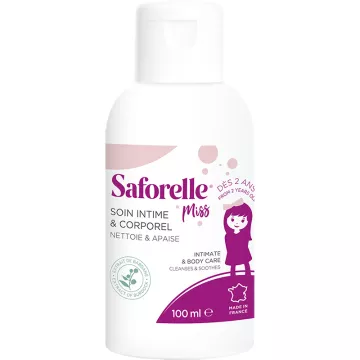
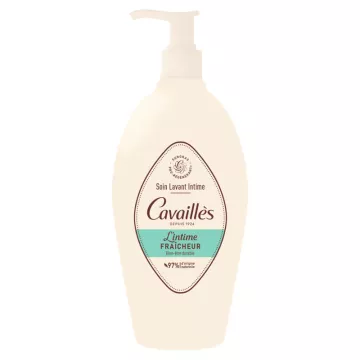
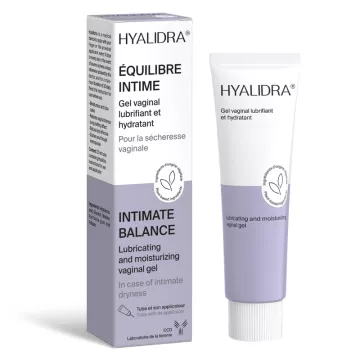
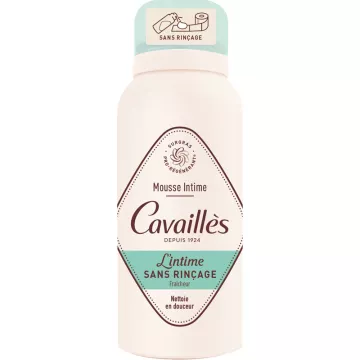
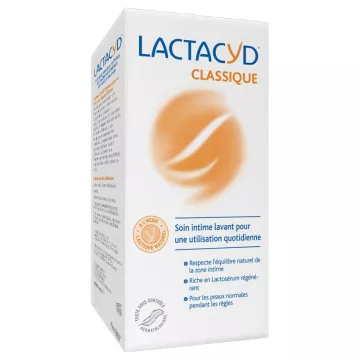
Intimate care refers to all the practices and products dedicated to cleaning and maintaining the external genital area. It aims to prevent infections, vaginal irritation, and imbalances in the vaginal flora. Appropriate, regular intimate care that respects the natural balance of the mucous membrane is the foundation of good intimate health, at all ages and in all life situations.
Certain ingredients found in common products can be harmful to intimate health. Artificial fragrances, dyes, parabens, sulfates, and alcohol disrupt the vaginal pH and destroy protective lactobacilli. Hypoallergenic products, formulated without these substances and dermatologically tested, significantly reduce the risk of allergic reactions orrecurring irritation.
Yes, several natural ingredients offer effective intimate care.Aloe vera, which is moisturizing and soothing, is suitable for sensitive and irritated mucous membranes.Tea tree essential oil, known for its antifungal and antibacterial properties, can be used in a highly diluted form as a supplement. Chamomile soothes redness and reduces inflammation. These active ingredients must always be properly diluted and tested on a small area before regular use—some essential oils are contraindicated during pregnancy.
Choosing the right intimate care product depends on a few key criteria. The gel’s pH should be between 4 and 5—slightly acidic to preserve the protective flora. The formula should be hypoallergenic, fragrance-free, alcohol-free, and sulfate-free. The presence of natural soothing ingredients—chamomile, aloe vera, calendula—is a sign of quality for sensitive skin. Reading the INCI list remains the most reliable way to avoid irritants.
Certain widespread habits can harm intimate health. Vaginal douches destroy the protective lactobacilli flora. Fragranced products—sprays, intimate deodorants—can cause irritation and allergic reactions. Synthetic and tight-fitting clothing creates a moist environment that promotes fungal infections. Conventional body soaps, which are too alkaline, disrupt the pH balance. These practices, even when done only occasionally, can trigger recurrent vaginal infections.
After sex, urinating promptly helps flush bacteria from the urethra and reduces the risk of a urinary tract infection. Cleaning the external vulva with lukewarm water and a mild intimate wash is sufficient. Avoid douching and scented products. For women prone to recurrent infections, a maintenance course of probiotics can help support the resistance of the vaginal flora. These measures constitute a simple and effective post-intercourse intimate care routine.
During menstruation, the vaginal pH rises slightly, making the mucous membrane more vulnerable. More frequent intimate care—two to three times a day—is recommended, without using large amounts of product. Changing sanitary pads regularly (every 4 to 6 hours), choosing unscented pads, and avoiding synthetic panty liners helps reduce the risk of irritation and preserves the balance of the menstrual flora.
Yes. During pregnancy, hormonal fluctuations alter the vaginal pH and increase vulnerability to infections. Intimate care requires even greater care in product selection: products should be free of phenoxyethanol, fragrance, and contraindicated essential oils. Natural solutions based on aloe vera or chamomile are gentle and safe alternatives. It is strongly recommended that any new product be approved by a doctor or midwife.