What is intestinal discomfort, and how does it differ from digestive discomfort?
Intestinal discomfort specifically refers to symptoms localized in the small intestine and colon—bloating in the lower abdomen, intestinal cramps, and tenderness around the colon—which should be distinguished fromdigestive discomfort (epigastric, stomach). It is often linked to excessive colonic fermentation or food hypersensitivities. Our line of probiotics offers targeted active ingredients.
- Food intolerances: lactose (lactase deficiency), gluten (celiac disease or sensitivity), fructose (FODMAPs)—symptoms triggered 30 minutes to 2 hours after ingesting the food—bloating + cramps + diarrhea
- Intestinal dysbiosis: imbalance in the microbiota — excessive fermentation of unabsorbed carbohydrates → gas + bloating + cramps — often occurs after antibiotic use or an infection — see our page on intestinal disorders
- IBS (Irritable Bowel Syndrome): visceral hypersensitivity + colonic motility disorders — pain related to bowel movements, bloating, alternating diarrhea and constipation — prevalence 10–15% in adults
- Gastrointestinal infections: bacterial, viral, or parasitic — acute intestinal discomfort with diarrhea, fever, and nausea
- Stress: activates the sympathetic nervous system → accelerates or disrupts colonic motility + increases visceral sensitivity → pain is perceived more intensely
Which foods worsen intestinal discomfort and which ones relieve it?
- Foods to limit: legumes (beans, lentils, chickpeas—excessive fermentation), certain raw vegetables (cabbage, broccoli, onions—sulfur-containing and fermentable), dairy products if lactose intolerant, high-fat foods, carbonated beverages
- FODMAPs Diet: reduction of fermentable carbohydrates (fructose, lactose, polyols, oligosaccharides) — effective in 75% of IBS cases — elimination phase 6–8 weeks + gradual reintroduction under dietary supervision
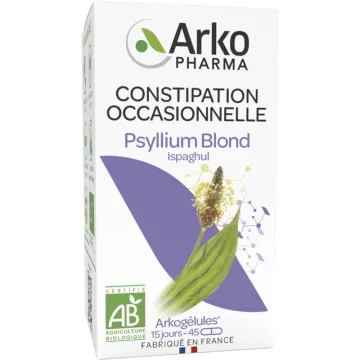
- Soluble fibers are recommended (psyllium, pectin, oats): they regulate fermentation without exacerbating it — unlike insoluble fibers (wheat bran), which can worsen symptoms in IBS
- Soothing foods: vegetable broth, rice, applesauce, ripe bananas, cooked carrots—highly digestible, low fermentation
- Cook vegetables: Cooking breaks down fermentable fiber and significantly reduces the production of intestinal gas
Natural remedies and treatments for intestinal discomfort
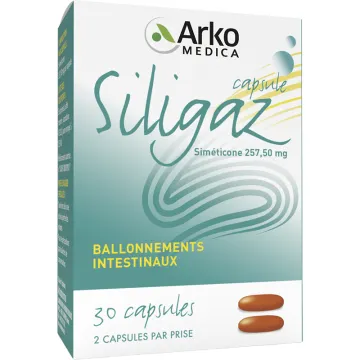
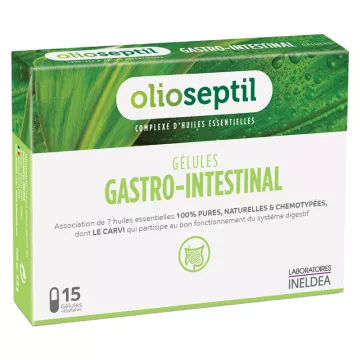
Discover natural active ingredients in our digestive comfort line.
- Peppermint (enteric-coated capsules): the best-documented intestinal antispasmodic for IBS — relaxes the smooth muscles of the colon — significantly reduces intestinal pain and cramps — must be in an enteric-coated form (the standard form irritates the esophagus and stomach)
- Aloe vera (internal gel): anti-inflammatory for the intestinal mucosa — soothes irritated colons — appropriately dosed, as it has a laxative effect if taken in excess (anthraquinones in the latex)
- Ginger: anti-inflammatory for the intestines + carminative—reduces gas and pain by acting on the TRP receptors of intestinal sensory fibers
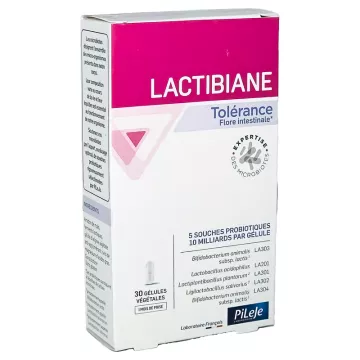
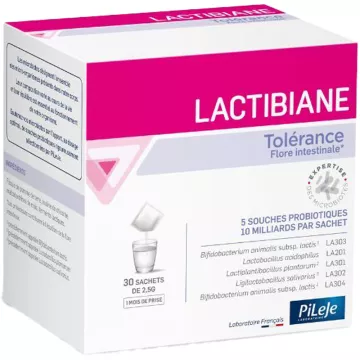
- Probiotics: Bifidobacterium longum and Lactobacillus plantarum — restore balance to the colonic microbiota — reduce excessive fermentation and visceral hypersensitivity — treatment duration of at least 6–8 weeks for IBS
- Medicinal antispasmodics: phloroglucinol, trimebutine — as directed by a doctor — indicated for severe cramps or diagnosed IBS
When to seek medical attention and what red flags to watch for?
- Suspected celiac disease: consistent intestinal discomfort after consuming gluten (bread, pasta, semolina) + diarrhea + weight loss + fatigue — serological testing (IgA anti-transglutaminase antibodies) before starting any gluten-free diet
- Red flags (urgent medical attention): blood in the stool, unintentional weight loss > 5%, persistent fever, nighttime pain, repeated vomiting, sudden change in bowel habits after age 50—colorectal cancer or IBD must be ruled out
- Diagnostic workup: Complete blood count (CBC) + C-reactive protein (CRP) + fecal calprotectin (marker of intestinal inflammation) + celiac serology + colonoscopy if > 50 years of age or red flags present
- Food intolerances: gradual elimination trials + reintroduction — hydrogen breath test for lactose and fructose — patch test or IgG4 (controversy regarding reliability)
- Persistent discomfort lasting > 4 weeks despite lifestyle and dietary changes: consult a gastroenterologist — see our page on intestinal disorders