Flying insects found in the home—mosquitoes, flies, gnats, wasps, and moths—are the most common. Some bite, while others contaminate food or fabrics. Each species requires a specific approach to protection, both for prevention and for treating bites.
What flying insects are found in the home?
Several species of flying insects regularly invade living spaces depending on the season.
- Mosquitoes: active at dusk and dawn, bite, and are potential disease vectors in tropical areas
- Houseflies: attracted to food and trash, vectors of food contamination
- Fruit flies (Drosophila, Sciara): thrive around ripe fruit and moist soil
- Wasps: defensive stinging insects, attracted to sugary foods and drinks in the summer
- Moths: do not bite; infest textiles and stored food
Why do flying insects bite?
Only certain species bite, and they do so for specific biological reasons.
- Female mosquitoes bite to feed on blood, which is necessary for their eggs to develop
- Wasps sting in response to a perceived threat—they do not sting spontaneously
- Flies do not bite, but can cause skin irritation through contact with larvae (myiasis, extremely rare in France)
- Midges and fruit flies do not bite
How can you protect your home from flying insects?
Protecting your home relies on physical barriers and preventive treatments.
- Screen doors and windows: the most effective physical barrier
- Electric mosquito repellent diffusers at night: replace the pads or liquid monthly
- UV insect-killing lamps: capture flying insects attracted to black light
- Eliminate standing water around your home to prevent mosquitoes from breeding
- Store fruit in sealed containers to prevent the proliferation of fruit flies
What products are available for flying insects?
The range of over-the-counter products covers all levels of exposure.
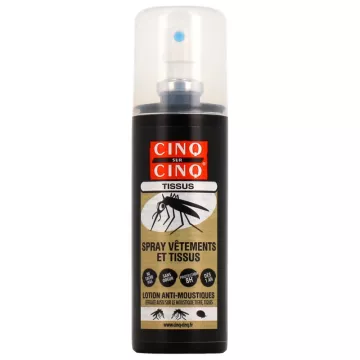
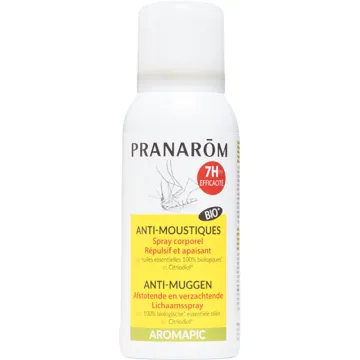
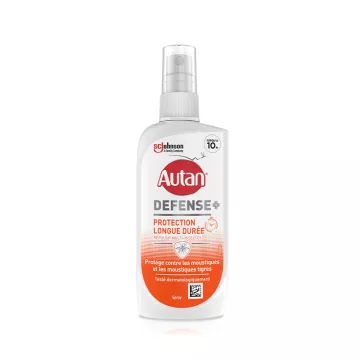
- Topicalmosquito repellents: DEET, icaridin, lemon eucalyptus
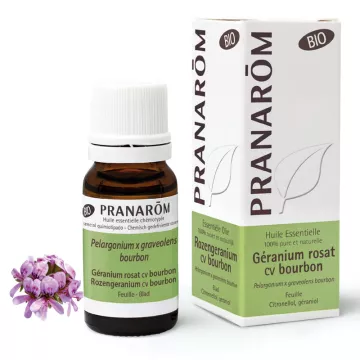
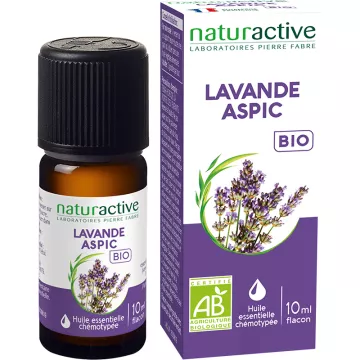
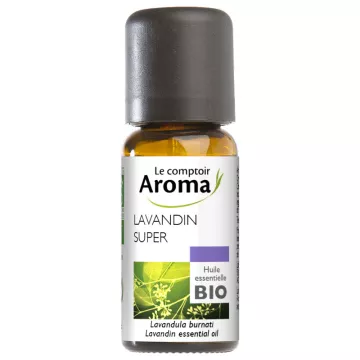
- Insect-repelling essential oils: citronella, lavender, eucalyptus (used in diffusers)
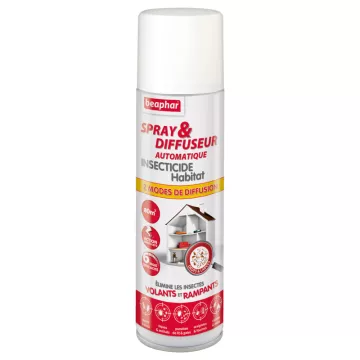
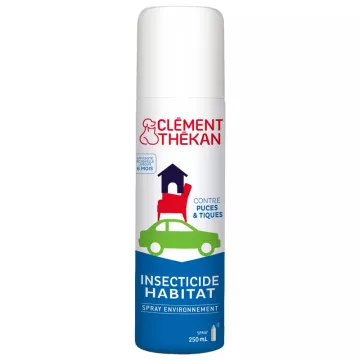
- Pyrethroid insecticide sprays: fast-acting against flying insects indoors; ventilation required
- Sticky traps and fly-catching tape: chemical-free, for kitchens and basements
How can you relieve an insect bite?
If you get bitten, taking a few immediate steps can limit the local reaction.
- Wash the area with soap and water, then disinfect it with an antiseptic solution
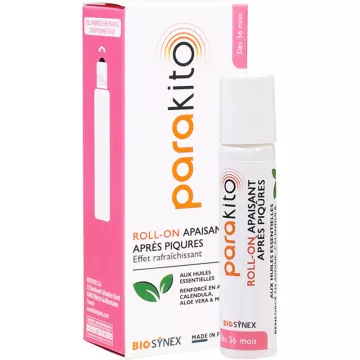
- Apply a soothing anti-bite gel to relieve itching and local heat
- Do not scratch: risk of bacterial infection
- Wasp sting: Remove the stinger if present (indicates a wasp sting), apply a cold compress and soothing gel
- Seek emergency medical attention immediately if signs of anaphylactic shock appear (rapid swelling, difficulty breathing, dizziness or lightheadedness)—call 15 or 112
When are flying insects most active?
Knowing the peak activity times helps you adjust your protection accordingly.
- Mosquitoes: mainly at dusk and dawn, all night long in tropical areas
- Flies: active during the day, with peak activity at temperatures between 20 and 30 °C
- Wasps: late summer (July–September), when they forage for sugar for the colony
- Midges: spring–fall; thrive in warm, humid conditions