What is inner serenity, and what are its physiological foundations?
Inner serenity —that state of deep calm and stable emotional balance—rests on a precise balance between the sympathetic nervous system (activation, stress) and the parasympathetic nervous system (rest, recovery). In our modern lifestyle, the chronic dominance of the sympathetic nervous system (stress, screens, noise, constant demands) depletes our nervous system’s resources and creates a state of hypervigilance that is incompatible with inner peace. Regaining it requires practices and nutrients that deliberately activate the parasympathetic nervous system. Discover our serenity and well-being formulas and our anti-stress supplements to support this balance in your daily life.
- GABA and Nervous Calm: Gamma-aminobutyric acid (GABA) is the central nervous system’s primary inhibitory neurotransmitter—it reduces excessive neuronal activity → calms mental agitation, reduces anxiety, and promotes relaxation — magnesium enhances GABA’s action on its receptors — a magnesium deficiency → nervous hyperexcitability → inability to “let go”
- Vagus and Parasympathetic Nerves: The vagus nerve is the main nerve of the parasympathetic system—it connects the brain to the organs (heart, lungs, intestines) and carries the “rest and digest” signal — its stimulation → slower heart rate + deeper breathing + optimized digestion + inner calm — can be activated by cardiac coherence, singing, cold water, and certain plants
- Cortisol and inner state: chronically elevated cortisol (the stress hormone) is incompatible with serenity—it diverts resources toward vigilance and urgency—depletes magnesium, serotonin, and GABA—reducing cortisol (through sleep, breathing, and nature) is the first step toward regaining a peaceful inner state
- Heart Rate Variability (HRV): an objective indicator of the sympathetic/parasympathetic balance—high HRV is associated with emotional resilience and inner serenity—measurable with certain smartwatches—enhanced by cardiac coherence, meditation, and magnesium
- Nature and cortisol: 20–30 minutes in a natural environment (forest, park, waterfront) reduce cortisol by 15–20% according to Japanese studies on “shinrin-yoku” (forest bathing)—the phytoncides released by trees have a documented immunomodulatory effect—walking in nature = triple benefit (movement + light + nature)
Plants and Micronutrients to Promote Serenity
- Magnesium: the ultimate “calm” mineral—regulates GABA and NMDA receptors (excitatory glutamate) — reduces nervous hyperexcitability and ruminative thoughts — magnesium bisglycinate or magnesium glycerophosphate 300–400 mg/evening — improvements in mental state are often felt within the first few weeks
- Valerian (Valeriana officinalis): the gold standard for nervous system sedatives — acts on GABA-A receptors (same mechanism as benzodiazepines, without dependence or tolerance) — reduces the time it takes to fall asleep, mild anxiety, and nighttime rumination — takes 2–4 weeks to take effect for chronic anxiety — find our formulas in our stress and sleep line
- Passionflower (Passiflora incarnata): a mild herbal anxiolytic — acts on GABA receptors and potassium channels — particularly effective for incessant mental rumination and nighttime restlessness — frequently combined with valerian and lemon balm
- Lemon Balm (Melissa officinalis): a carminative and mild sedative — inhibits the breakdown of GABA (inhibition of GABA transaminase) — soothes stress-related digestive spasms (the gut = the second brain) — available as a herbal tea or dry extract — gentle and well-tolerated, even in children (ages 12 and older in an appropriate form)
- Omega-3 EPA: reduces neuroinflammation and amygdala reactivity (the area associated with fear and agitation) — positive meta-analyses regarding anxiety and emotional calm — 1–2 g of EPA/day — sardines, mackerel, salmon 2–3 times per week in conjunction
Daily practices to cultivate inner peace
- Cardiac coherence (365 method): 5 minutes — 6 breaths per minute (5-second inhale, 5-second exhale) — 3 times a day — powerfully activates the vagus nerve → immediate 20–30% reduction in cortisol — the most accessible and best-validated practice for inducing serenity in just a few minutes — cumulative effect with regular practice
- Mindfulness Meditation: 10–20 minutes a day — reduces amygdala activity after 8 weeks — develops the ability to observe thoughts without identifying with them (“I am not my thoughts”) — yoga nidra in the evening for deep relaxation before sleep
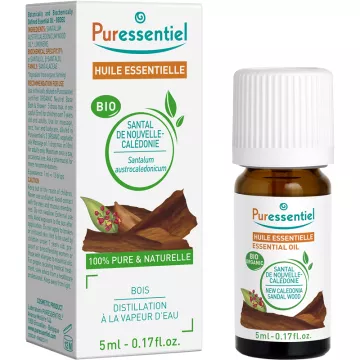
- Aromatherapy: true lavender essential oil (Lavandula angustifolia) — documented anxiolytic effect via inhalation and oral administration (Silexan) — a few drops diffused 30 minutes before bedtime or applied to the wrists — Roman chamomile essential oil (soothing, for frayed nerves) — ylang-ylang essential oil (high blood pressure + anxiety) — dilute in a vegetable oil for topical application
- Relaxing bath and hydrotherapy: warm bath (38–40 °C, 20 min) with magnesium salts (magnesium sulfate—Epsom salt) → transdermal absorption of magnesium + muscle relaxation + parasympathetic stimulation — add a few drops of lavender essential oil to enhance the effect — check out our relaxation and sleep products
- Music and silence: music at 432 Hz or binaural beats (delta and theta) stimulate calming brain waves—10 minutes of attentive listening without distraction reduces cortisol—conversely, 20 minutes of complete silence per day in a world saturated with auditory stimuli has a deeply restorative effect on the nervous system
Sleep, nutrition, and lasting serenity
- Deep sleep: During deep slow-wave sleep, the brain “cleanses” itself (glymphatic system) and restores GABA and serotonin reserves—your serenity throughout the day depends directly on the quality of your sleep the night before—bedtime rituals: darkness + cool temperature + no screens + valerian/lemon balm + magnesium—check out our relaxation and sleep product lines
- Vitamin D3: A deficiency (very common in winter) is associated with emotional hyperreactivity and reduced stress tolerance — 1,000–2,000 IU/day from October through March — morning sunlight also directly stimulates serotonin production (independently of vitamin D3)
- Soothing foods: tryptophan (a precursor to serotonin → calm) in eggs, turkey, bananas, pumpkin seeds, and nuts — magnesium in legumes, whole grains, nuts, dark chocolate — fermented foods (kefir, yogurt, miso) for gut microbiota-GABA — avoid caffeine after 2 p.m. (half-life 5–7 hours) and alcohol (nighttime anxiety rebound)
- Social connections and serenity: warm interactions stimulate the production of oxytocin (the hormone of attachment and calm) — simply being physically close to a trusted person reduces cortisol levels — spending quality screen-free time with loved ones is an underrated practice for peace of mind
- When to Seek Help: If chronic inner restlessness, anxiety, or insomnia persist despite these approaches → see your primary care physician for an evaluation (magnesium, B12, D3, TSH) and a referral to a psychologist (MonPsy)—see our anxiety page for more severe forms— neurasthenia if nervous exhaustion is the primary symptom