What is loss of appetite, and how does it differ from anorexia?
Loss of appetite refers to the absence or significant reduction of the desire to eat, without necessarily involving an active aversion to food. It differs from anorexia nervosa (an eating disorder characterized by a distorted body image) and from a simple lack of appetite in that it can be more subtle—an indifference to food rather than an active aversion. It manifests in three ways:
- Physiological hunger (ghrelin, hypothalamic signals): absent or diminished.
- Anticipatory pleasure (dopamine): reduced—food is no longer appealing.
- Motivation to prepare and eat a meal: severely diminished, particularly among the elderly, those with depression, or those recovering from illness.
A persistent loss of appetite lasting more than 2 weeks or accompanied by unintended weight loss requires a medical evaluation.
What iatrogenic causes lead to loss of appetite?
Many common medications cause loss of appetite as a side effect:
- Antibiotics (amoxicillin-clavulanic acid, metronidazole): disrupt the gut flora and cause nausea and temporary aversion to food.
- Proton pump inhibitors (PPIs): reduce the stomach acid necessary for the absorption of zinc and magnesium—weakening appetite over the long term.
- Chemotherapy: Alkylating agents damage taste and smell cells, causing temporary ageusia and anosmia.
- Opiates and morphine derivatives: slow gastric emptying and cause constipation, which exacerbates loss of appetite.
- Metformin: causes nausea and loss of appetite in 20 to 30% of patients, particularly at the start of treatment.
Loss of Appetite in Children: Causes and Nutritional Management
Loss of appetite is common in young children (ages 2 to 6) and is often benign (food neophobia). Pathological causes to rule out:
- Zinc deficiency: the leading nutritional cause of loss of appetite and stunted growth in children. It impairs taste perception and reduces hypothalamic hunger signals.
- Iron-deficiency anemia: Iron deficiency reduces energy levels and appetite, affecting 20 to 25% of children aged 6 months to 3 years in developed countries.
- Recurrent infections: Gastroenteritis and ENT infections impair appetite through systemic inflammation and disruption of the microbiota.
Probiotics (Lactobacillus rhamnosus GG, Bifidobacterium lactis) reduce the frequency of gastrointestinal infections in children, indirectly contributing to a consistent appetite.
Loss of appetite during pregnancy: nausea and the first trimester
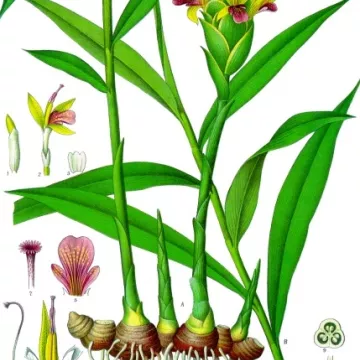
Loss of appetite in the first trimester affects 70 to 80% of pregnant women and is linked to rising levels of beta-hCG and estrogen. Vitamin B9 (folic acid, 400 µg/day) is critical during this period to prevent neural tube defects—loss of appetite can compromise these intakes and warrants routine supplementation. Ginger (gingerols, shogaols—250 to 500 mg of standardized extract) is the best-documented natural antiemetic during pregnancy and can improve appetite by reducing nausea; it has no documented safety concerns at therapeutic doses.
Magnesium and Vitamin B1 for Stress-Related Loss of Appetite
Two common deficiencies associated with burnout:
- Magnesium: Cortisol increases urinary magnesium loss. A magnesium deficiency causes nausea, loss of appetite, and fatigue, which feed into one another. Supplementation with bisglycinate or malate (300 to 400 mg/day) often improves appetite within 2 to 4 weeks.
- Vitamin B1 (thiamine): a cofactor in energy metabolism in the brain and gut. A deficiency causes severe anorexia—supplementation quickly improves appetite in deficient individuals.
How do gentian and digestive support help with loss of appetite?
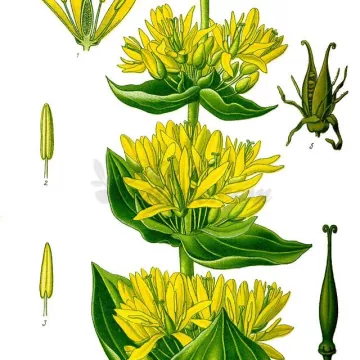
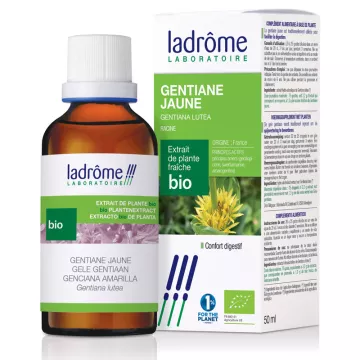
Gentian (Gentiana lutea) stimulates the TAS2R bitter receptors in the gastric mucosa, reflexively triggering the secretion of digestive juices (HCl, pepsin, bile) and creating a “mechanical hunger.” Taken 15 to 30 minutes before meals (10 to 30 drops of mother tincture, or 300 to 500 mg of dry extract), it is the gold standard appetite-stimulating herb in European herbal medicine. Contraindicated in cases of active gastroduodenal ulcers. Digestive support from artichoke and milk thistle complements the action of gentian by promoting bile secretion and reducing postprandial heaviness, which discourages eating.