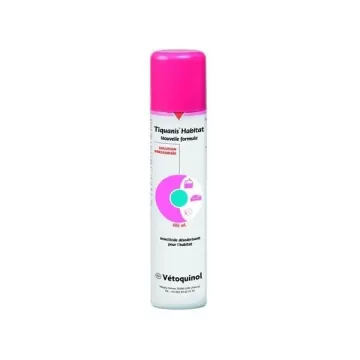
The quality ofa home directly affects the health of its occupants. Allergens, mold, pests, and indoor pollutants are the main threats posed by a poorly maintained home. A few targeted steps and the right products can transform your home into a healthy environment.
Housing and Health: What’s the Connection?
Indoor air can contain up to five times more pollutants than outdoor air. The main sources include dust mites, mold spores, volatile compounds from household products, and pest larvae in textiles. Prolonged exposure can worsen respiratory and allergic conditions and contribute to bed bug infestations.
How can you reduce indoor allergens?
Allergens accumulate in bedding, carpets, and textiles. Three key steps are all it takes to significantly reduce allergen levels.
- Wash bedding at 60°C every week—the only temperature that kills dust mites and their eggs
- Vacuum bedrooms twice a week using a HEPA filter
- Maintain indoor humidity between 40 and 50%—below this level, dust mites can no longer reproduce
Humidity and Mold: Prevention and Treatment?
Mold grows as soon as humidity exceeds 60% on a cold surface. It releases allergenic spores into the air.
- Ventilate for 10 minutes a day and after every shower or time spent cooking
- Treat the first signs of mold with an antifungal disinfectant solution as soon as they appear
- If the problem recurs: check the insulation and thermal bridges—structural moisture requires professional intervention
What pests threaten the home?
Several pests infest homes and pose direct health hazards.
- Dust mites: year-round respiratory allergies; treatment involves bedding + certified covers + humidity control
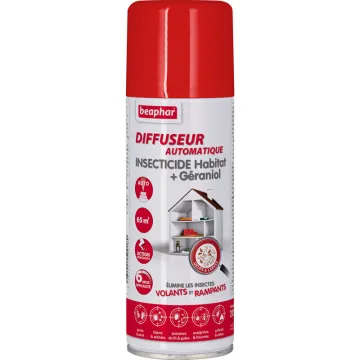
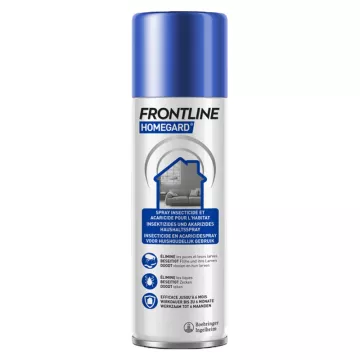
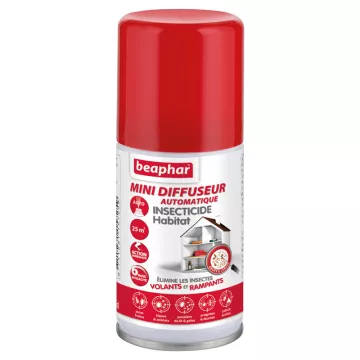
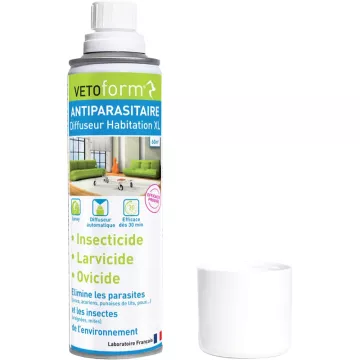
- Bed bugs: nighttime bites, insomnia; eradication requires a combined approach (steam + insecticide + professional treatment)
- Flea larvae: account for 90% of infestations in homes; simultaneous treatment of both pets and the home is essential
- Clothes moths: damage to woolen items; treatment with heat and pheromone traps
Are there safe cleaning products for the home?
Conventional household products may contain compounds that irritate the respiratory tract. Safe alternatives exist for every use.
- Eco-friendly organic household cleaning line: formulas free of chlorinated solvents, Ecocert-certified
- Natural products suitable for most uses: white vinegar (descaler), baking soda (deodorizer), black soap (degreaser)
- Bactericidaldisinfectant solution for frequently touched surfaces (door handles, light switches)
- Ventilate the room during and after using any spray or aerosol
Indoor Air Quality: What Are the Best Practices?
Improving indoor air quality depends on simple, regular actions.
- Ventilate each room daily, even in winter
- Vacuum with a HEPA filter to capture dust mites, spores, and pollen
- Avoid scented candles and air fresheners in enclosed rooms
- Treat respiratory allergies alongside home environment measures—allergen reduction and medical treatment are complementary