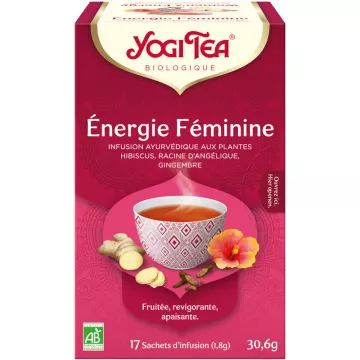
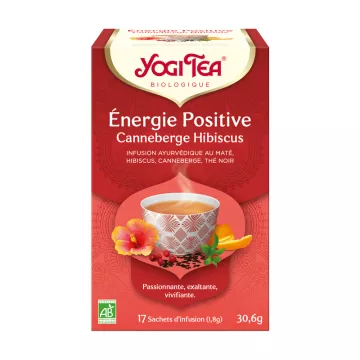
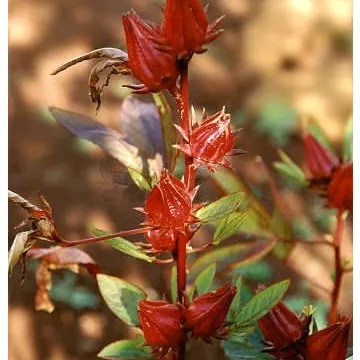
Hibiscus (Hibiscus sabdariffa), also known as karkadé or bissap, is one of the tropical plants richest in polyphenols and natural vitamin C. Its dried red calyxes are steeped to make a tangy beverage with well-documented antioxidant, circulatory, and digestive properties. In cosmetics, its fruit acids (citric and malic acids) make it an effective exfoliant and natural skin brightener. Explore our phytotherapy line.
What is hibiscus?
The hibiscus used in herbal medicine is a specific species—not to be confused with ornamental hibiscus plants.
- Hibiscus sabdariffa: the medicinal and edible species—its calyxes (the fleshy outer parts of the flower) are harvested, dried, and used in infusions, powders, and extracts
- To be distinguished fromHibiscus rosa-sinensis (ornamental hibiscus) and Hibiscus syriacus (mallow)—different biochemical profiles, distinct uses
- Biochemical richness: anthocyanins (delphinidin-3-sambubioside, cyanidin-3-sambubioside), organic acids (citric, malic, hydroxycitric), polyphenols, and pectins
- Anthocyanins are responsible for the intense red color and most of the antioxidant and circulatory properties
- Choose organic, whole, dried calyxes—commercially produced powders may have highly variable anthocyanin content
Hibiscus and venous circulation?
This is one of the best-documented benefits of hibiscus—thanks to its anthocyanins.
- The anthocyanins in hibiscus strengthen the walls of capillaries and venules—supporting venous health and preventing capillary fragility
- Clinical studies: Several trials show that consuming 2–3 cups of hibiscus tea per day helps maintain blood pressure within normal limits in healthy individuals
- Supports relief from heavy legs and promotes healthy venous circulation —best taken in combination with red vine and horse chestnut
- Medication for high blood pressure: Inform your doctor—possible interactions with antihypertensive drugs
Hibiscus and antioxidants?
One of the plants richest in anthocyanins—it’s not just a marketing gimmick.
- ORAC value (a measure of antioxidant activity) among the highest of commonly consumed plants—comparable to acai berries and cacao
- Anthocyanins neutralize free radicals and protect cells from oxidative stress—supporting normal cellular aging
- Cold brew: Steep 2 tbsp of dried calyxes in 500 mL of cold water for 6–8 hours in the refrigerator—maximizes preservation of anthocyanins (which are heat-sensitive)
- Hot infusion: 1 tablespoon in 250 mL of water at 90°C, 10 minutes — 2 to 3 cups per day
- As dietary supplements: anthocyanin-standardized extracts (min. 10 mg/capsule) — precise dosage and guaranteed concentration
Hibiscus and Digestive Comfort?
The pectins and organic acids in hibiscus contribute to digestive comfort.
- The soluble pectins in hibiscus form a gel in the intestine—supporting bowel movement and providing a moderate prebiotic effect
- Organic acids (citric, malic) stimulate the secretion of saliva and bile—supporting fat digestion after meals
- Herbal tea after meals: 1 cup lukewarm — mild carminative and digestive effect
- High acidity: not recommended for those with gastroesophageal reflux or irritable stomach—opt for a diluted cold version or a milder infusion
Hibiscus and skincare?
Its fruit acids make it a “gentle natural AHA” cosmetic ingredient—a property that sets it apart from other flowering plants.
- Citric and malic acids: gentle surface exfoliants — smooth skin texture and promotea radiant complexion
- Hibiscus powder as an exfoliating mask: mix with honey or yogurt, apply for 10 minutes—gentle cell renewal, suitable for dull skin
- Hibiscus extract in serums: a smoothing active ingredient that evens out skin tone, often combined with hyaluronic acid or vitamin C
- Hair care: Hibiscus powder strengthens keratin and adds shine to dry hair—use as a weekly pre-shampoo mask
Precautions and interactions?
- Pregnant women: not recommended—hibiscus may have a uterotonic effect at high doses
- Antihypertensive medications: possible interaction—inform your doctor before starting any treatment
- Anticoagulants (warfarin, etc.) and hypoglycemic agents: documented interactions—medical advice required
- Duration of treatment: 4 to 6 weeks maximum without interruption
- Acidity: Not recommended for those with acid reflux or a sensitive stomach—dilute the tea and drink it lukewarm, not hot