What is a hepatoprotective agent, and how does it affect the liver?
A liver protectant is an active ingredient—whether natural or synthetic—that protects liver cells from damage (toxins, alcohol, medications, free radicals) and/or promotes their regeneration. These active ingredients complement medical treatment without replacing it—see our liver disorders hub. Our line of detox supplements offers the leading hepatoprotective formulas.
- Stabilization of hepatocyte membranes: certain hepatoprotective agents (silymarin, phosphatidylcholine) strengthen the integrity of liver cell membranes → increased resistance to toxins
- Intrahepatic antioxidant: reduction of oxidative stress caused by alcohol, hepatotoxic medications, and steatosis → protection against lipid peroxidation of cell membranes
- Hepatic anti-inflammatory: inhibition of pro-inflammatory cytokines (TNF-α, IL-6) involved in hepatic cytolysis
- Stimulation of regeneration: certain active ingredients (silymarin, alpha-lipoic acid) activate protein synthesis in hepatocytes → accelerated tissue repair
- Difference between hepatoprotective and choleretic agents: hepatoprotective agents act on liver cells (protection + regeneration) — choleretic agents stimulate bile secretion (artichoke, black radish) — see biliary insufficiency
The main hepatoprotective active ingredients and their mechanisms of action
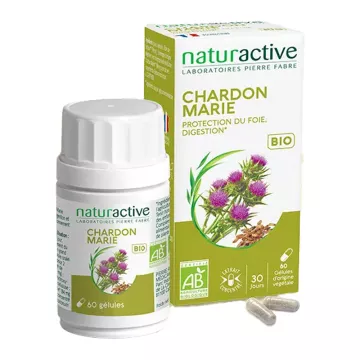
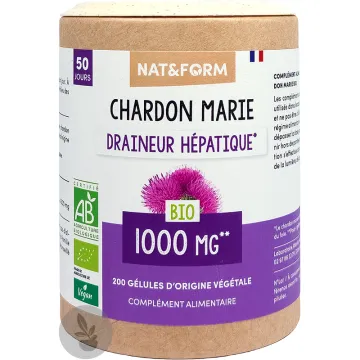
- Milk thistle (silymarin 70–80%): the most well-documented natural hepatoprotective agent—stabilizes hepatocyte membranes + powerful antioxidant + stimulates regeneration—indicated for chronic hepatitis, compensated cirrhosis, steatosis, drug-induced hepatotoxicity — phytosome formulation (Siliphos) for improved bioavailability
- N-acetylcysteine (NAC): precursor of glutathione — the primary intrahepatic antioxidant — standard of care for acetaminophen poisoning (IV in emergencies) — oral administration for the prevention and management of chronic liver disease
- Alpha-lipoic acid: universal antioxidant (fat-soluble + water-soluble) — regenerates other antioxidants (vitamins C, E, glutathione) — hepatoprotective in cases of poisonous mushroom poisoning and hepatic steatosis
- Turmeric (curcumin): anti-inflammatory for the liver + mild antifibrotic effect — bioavailable form (with piperine or liposomal) — supportive treatment for NASH and mild chronic hepatitis
- Omega-3 (EPA/DHA): reduce hepatic steatosis + triglycerides + inflammation — positive clinical data in NASH — at least 2–4 g/day for a hepatoprotective effect
Who should take liver protectants and when?
- Regular alcohol consumers: even moderate alcohol consumption produces hepatotoxic acetaldehyde → silymarin as a 3-month course twice a year
- Patients on long-term hepatotoxic medications: anti-tuberculosis drugs, methotrexate, statins, regular acetaminophen — silymarin + NAC as supportive therapy — medical consultation required
- Fatty liver disease (NASH): turmeric + omega-3 + silymarin — in addition to dietary changes and weight loss — see our page on liver disorders
- People exposed to solvents, pesticides, or heavy metals: NAC + alpha-lipoic acid — promote the elimination of toxins via hepatic glutathione
- Chronic hepatitis B or C: silymarin to support antiviral treatment — see our hepatitis page — never as a substitute for antiviral drugs
Duration of treatment, precautions, and beneficial combinations
- Recommended duration: silymarin for at least 3 months for a documented effect on transaminases — turmeric for 3–6 months — omega-3 as an annual or ongoing maintenance regimen
- Synergistic combinations: silymarin + vitamin C (antioxidant) + zinc (liver enzyme cofactor) + omega-3 — a multi-target approach documented in NASH
- Precautions: Allergy to Asteraceae (milk thistle), pregnancy (turmeric in high doses; NAC IV only by prescription), interactions with anticoagulants (turmeric)
- Rare side effects: mild digestive disturbances (turmeric) — mild laxative effect (high-dose silymarin) — skin allergy (alpha-lipoic acid)
- Never use as a substitute for specialized medical treatment: cirrhosis, active viral hepatitis, liver failure — liver-protective supplements are complementary, not curative treatments