What are hemorrhoidal disorders, and how can you tell the difference between internal and external hemorrhoids?
Hemorrhoidal disorders refer to symptoms associated with the dilation or inflammation of the hemorrhoidal venous plexuses—normal structures of the anal anatomy that become pathological when they cause discomfort. As the leading cause of proctological consultations in France, they affect 1 in 2 adults over the age of 50. Our hemorrhoid product line offers solutions tailored to each stage.
- Internal hemorrhoids: located inside the anal canal—invisible—painless unless thrombosed—bright red bleeding during bowel movements (blood on toilet paper)—classified into 4 grades based on prolapse
- External hemorrhoids: located under the skin at the anal margin—visible—painful, especially in cases of thrombosis (hard, bluish hematoma)—itching, burning, discomfort when sitting
- Acute hemorrhoidal flare-up: sudden-onset severe pain, swelling—hemorrhoidal thrombosis—urgent local anti-inflammatory treatment
- Chronic conditions: anal itching, recurrent bleeding, persistent discomfort—long-term management (fiber, venotonic agents, hygiene)
- Any rectal bleeding should be medically evaluated—even if it suggests hemorrhoids, it may mask a polyp or colorectal cancer—seek medical attention immediately
What are the causes of hemorrhoidal disorders, and how can they be prevented?
- Chronic constipation: repeated straining → increased venous pressure in the hemorrhoidal plexus — priority management through fiber and hydration — see our page on constipation
- Prolonged diarrhea: repeated mechanical and chemical irritation of the anal mucosa—see our page on diarrhea
- Pregnancy: compression of the inferior vena cava + progesterone → venous dilation — hemorrhoidal problems are very common in late pregnancy and postpartum
- Sedentary lifestyle and prolonged sitting: promotes pelvic venous stasis — active breaks every 45 minutes are recommended
- Prevention: a high-fiber diet (25–30 g/day), hydration of 1.5–2 L/day, regular physical activity (walking, swimming, yoga), and avoiding prolonged squatting and straining
What natural treatments are available for hemorrhoidal conditions?
Natural active ingredients and lifestyle and dietary measures form the basis for treating chronic conditions and preventing flare-ups—find them in our hemorrhoid product line.
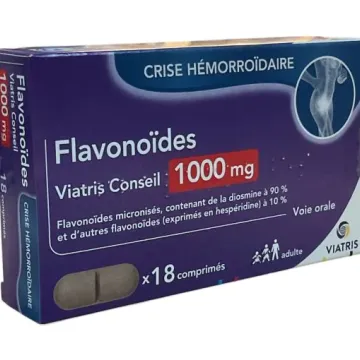
- Venotonic agents (diosmin, hesperidin, rutin): strengthen the tone of hemorrhoidal vein walls — reduce capillary permeability and edema — long-term treatment lasting 1–3 months — proven effectiveness in chronic cases
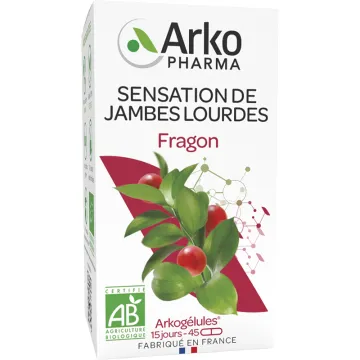
- Horse chestnut (aescin) and red vine: complementary natural venotonic agents — reduce pelvic venous congestion
- Dietary fiber: soluble (psyllium, pectin) to soften stools and reduce straining — see our page on bowel movements
- Warm sitz baths (15–20 min): immediate relief from pain and itching — warm water alone or with sea salt — 2–3 times a day during a flare-up
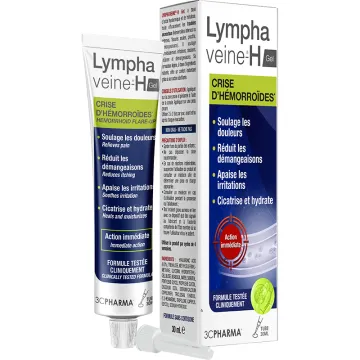
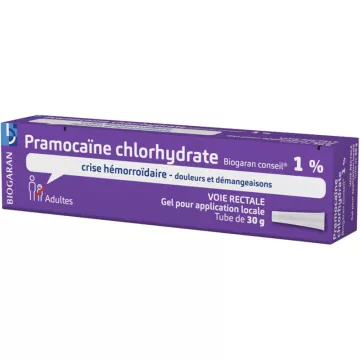
- Topical creams and suppositories: lidocaine (anesthetic), hydrocortisone (anti-inflammatory), zinc oxide (protective) — short-term treatment (5–7 days maximum for corticosteroids)
When should you seek medical care and specialized procedures?
- Elastic ligation: placement of an elastic band around the internal hemorrhoidal pedicle — causes necrosis and sloughing — standard treatment for grade 2–3 internal hemorrhoids — performed on an outpatient basis, without general anesthesia
- Sclerotherapy: injection of a sclerosing agent—grades 1–2—effective but less long-lasting than ligation
- Surgical hemorrhoidectomy: reserved for grade 3–4 hemorrhoids or when conservative treatments have failed — the Milligan-Morgan method is the most commonly used
- Signs requiring urgent medical attention: sudden, intense anal pain (thrombosis), heavy or black bleeding, associated fever, changes in bowel habits lasting more than 4 weeks — see our page on bowel disorders
- After treatment: maintain a high-fiber diet + long-term use of venotonic agents + physical activity — high risk of recurrence if risk factors are not addressed