What is clear skin, and why is it important?
Clear skin is characterized by few visible imperfections (pimples, blackheads, microcysts), a smooth texture, and an even complexion. Although skin quality is not a comprehensive indicator of overall health, it often reflects a healthy lifestyle and a balance between skincare, diet, and hormonal factors. The skin also plays a role in self-confidence and how one navigates daily life.
Moderate to severe, persistent, or inflammatory acne remains a skin condition that warrants a dermatological consultation, particularly in cases of psychological impact, scarring, or failure of cosmetic treatments.
What are the main causes of skin blemishes?
Skin imperfections most often result from a combination of factors:
- Hormonal factors: androgens (puberty, menstrual cycle, polycystic ovary syndrome), pregnancy, and menopause.
- Genetics and skin type: Individual predisposition plays a major role.
- Chronic stress, which can exacerbate breakouts by raising cortisol levels.
- A high-glycemic-indexdiet and certain dairy products, whose influence on acne has been documented by several meta-analyses.
- Sun exposure: a deceptive apparent improvement, followed by a rebound effect and an increased risk of scarring and dark spots.
- Inappropriate cosmetics (comedogenic formulations, heavy oils on acne-prone skin).
- Picking at pimples, which worsens inflammation and promotes scarring.
The common misconception that “poor hygiene” causes acne is inaccurate: on the contrary, excessive cleansing can weaken the skin barrier and worsen inflammation.
How can you improve skin clarity on a daily basis?
A few key steps form the basis of an effective routine:
- Gently cleanse morning and night with a suitable (non-stripping) cleanser to remove impurities, pollution, and excess sebum without compromising the skin’s barrier.
- Daily moisturizing with a non-comedogenic product containinghyaluronic acid, glycerin, or ceramides, even on blemish-prone skin.
- Apply broad-spectrumsunscreen with SPF 30 to 50 every morning, opting for lightweight, non-comedogenic formulas.
- A varied diet rich in antioxidants and omega-3s, which help maintain skin comfort in the face of inflammation.
- Stress management: yoga, meditation, deep breathing, regular physical activity, and adequate sleep.
- Do not pick at or squeeze blemishes to avoid scarring and hyperpigmentation.
What treatments are available for persistent skin problems?
When skincare products aren’t enough, or in cases of inflammatory, cystic, or scarring acne, a dermatology consultation is recommended. A dermatologist can prescribe an appropriate treatment:
- Prescription topical treatments (medical retinoids, topical antibiotics, benzoyl peroxide).
- Oral treatments (antibiotics, hormonal treatments, isotretinoin for severe cases—with mandatory contraception for women of childbearing age due to its highly teratogenic nature).
- Medical or paramedical procedures: medium-depth chemical peels, microdermabrasion, lasers, intense pulsed light (IPL), LED therapy, and microneedling for scars.
These approaches require a preliminary consultation to assess indications, benefits, possible side effects (redness, peeling, photosensitivity, pigmentation changes), and contraindications (pregnancy, breastfeeding, medical history).
Can skin imperfections be prevented?
A significant portion of skin imperfections can be minimized through a consistent skincare routine and healthy habits: gentle cleansing, appropriate moisturization, consistent sun protection, a varied diet, regular sleep, stress management, quitting smoking, and limiting alcohol consumption.
It is also essential to avoid picking at pimples and to steer clear of heavy, occlusive makeup on acne-prone skin. However, a residual portion of skin imperfections remains linked to unmodifiable genetic and hormonal factors, which may require medical treatment.
What role does diet play in skin health?
Diet is not the only factor affecting skin quality, but it does have a real influence. Several studies show a moderate link between:
- A high-glycemic-index diet (rapid-acting sugars, refined foods) and worsening acne.
- High consumption of dairy products, particularly skim milk, and acne in certain individuals.
- A diet rich in antioxidants (fruits, colorful vegetables, berries), omega-3s, and fiber, and improved skin comfort.
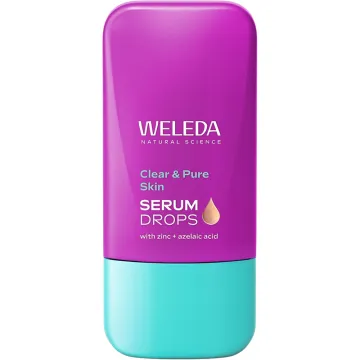
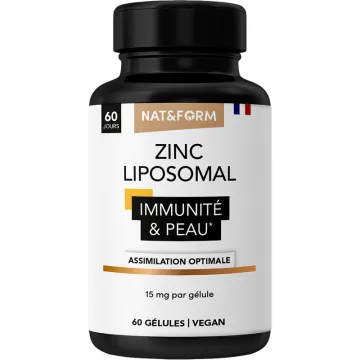
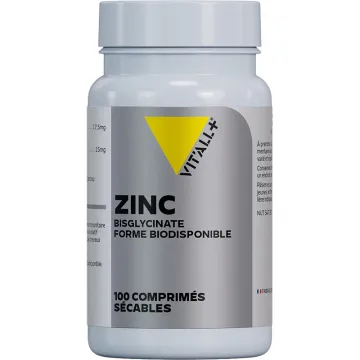
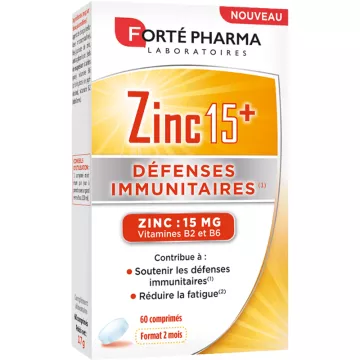
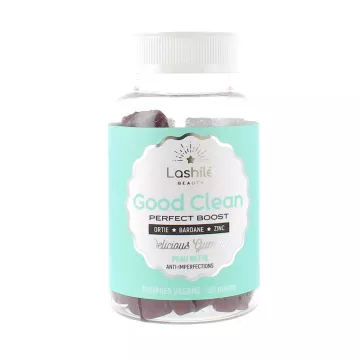
In addition, certain targeted treatments may be considered under the guidance of a pharmacist: zinc (a trace element traditionally used for blemish-prone skin), vitamin C, and omega-3. Any long-term supplementation should be done under professional guidance.
How can you identify your skin type to choose the right products?
Knowing your skin type is the foundation of an effective skincare routine. The main categories are:
- Oily skin: visible sebum across the entire face, visible pores, and a tendency toward blemishes.
- Dry skin: feels tight, has fine flakes, lacks suppleness.
- Combination skin: oily T-zone (forehead, nose, chin), normal to dry cheeks.
- Normal skin: overall balance is generally well-maintained.
- Sensitive or reactive skin (which may overlap with the previous types): redness, tingling, frequent intolerance.
Simple test: Cleanse your face with a gentle cleanser, wait one hour without applying any products, then observe. Generalized shine = oily skin; tightness = dry skin; shine only in the T-zone = combination skin. If in doubt or if you have reactive skin, it’s helpful to consult a dermatologist or pharmacist.
How important is sleep for clear skin?
Sleep is one of the key periods for the skin’s physiological renewal. Insufficient sleep leads to elevated cortisol levels and exacerbates inflammatory reactions, which can trigger breakouts. Conversely, quality sleep supports hormonal balance and overall skin health.
Aim for 7 to 9 hours of sleep per night depending on your needs, maintain a regular sleep schedule, limit screen time in the evening, and sleep in a cool, dark room. If you experience persistent sleep disturbances, a medical consultation is recommended.
Which ingredients should you prioritize in your skincare routine?
Several active ingredients have proven effective for acne-prone skin:
- Salicylic acid (BHA): a lipophilic exfoliant that penetrates the pore opening, particularly well-suited for blemish-prone skin.
- Niacinamide (vitamin B3): regulates sebum production, soothes the skin, and promotes an even complexion.
- Hyaluronic acid: hydrates without weighing down the skin.
- Cosmetic retinol: promotes surface cell turnover. Avoid during pregnancy and while breastfeeding. Photosensitivity: sunscreen is essential.
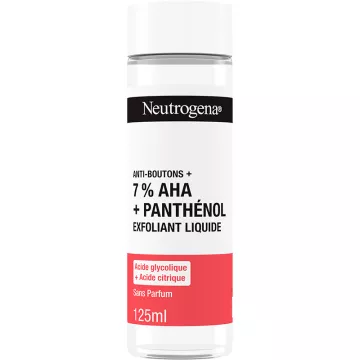
- AHAs (glycolic, lactic, and mandelic acids): smooths skin texture and reduces the appearance of superficial marks. Photosensitivity should be taken into account.
- Zinc PCA, sulfur, clay: traditional sebum-regulating active ingredients useful in targeted treatments.
Introduce these active ingredients one at a time over 2 to 4 weeks, monitoring tolerance.
How should acne scars and hyperpigmentation be treated?
The treatment of acne scars and post-inflammatory hyperpigmentation depends on their type (atrophic, hypertrophic, keloid, hyperpigmented) and how long they have been present. Possible approaches:
- Cosmetic treatments with anti-dark spot ingredients: topical vitamin C, niacinamide, azelaic acid, AHAs.
- Regular gentle chemical exfoliation for superficial marks.
- Dermatological procedures for pronounced scars: chemical peels, lasers, microneedling, and injections. These procedures must be performed under strict medical supervision (do not self-treat active acne with a homemade derma roller: risk of infection and scarring).
Consistent sun protection is essential: UV rays worsen post-inflammatory hyperpigmentation and can compromise treatment effectiveness. A dermatology consultation can help guide you toward the approach best suited to your skin type and the nature of your scars.