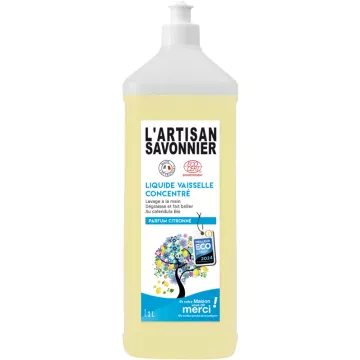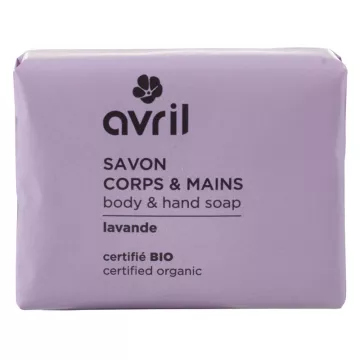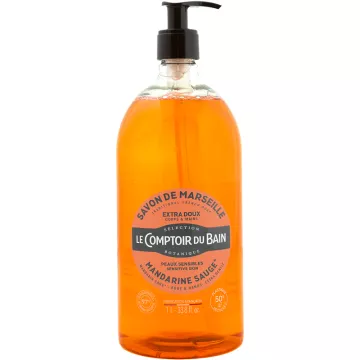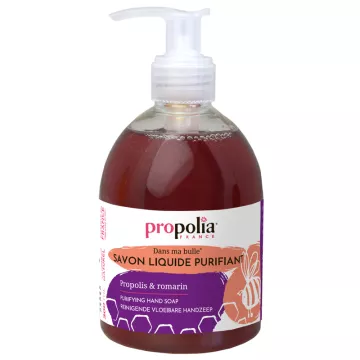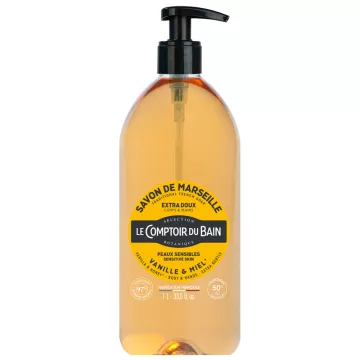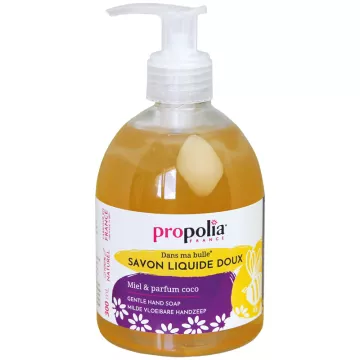
Hand soap is an essential product designed for skin cleansing and hygiene. Its formula combines several ingredients that work together to remove impurities, bacteria, and viruses from the skin. It comes in three main forms—liquid, bar, or foam—often enriched with moisturizing agents that protect the skin from drying out and support good daily hand hygiene.
Using hand soap is crucial for maintaining good hygiene and limiting the spread of infectious diseases. Regular handwashing removes pathogens and reduces the risk of cross-contamination. This practice is particularly important in medical settings, kitchens, and public places, and is a natural part of a comprehensive hand care routine.
To choose the right soap, consider several key factors that determine both skin comfort and the product’s effectiveness.
For optimal hygiene, follow a simple six-step routine that ensures all areas of your hands are thoroughly cleaned.
Liquid soaps offer several practical advantages, which explain their popularity in shared spaces and family bathrooms.
To explore the full range, check out the liquid hand soap category.
Yes, there are hand soaps specially formulated for sensitive skin. These products combine gentle, non-irritating ingredients and are often fragrance-free and hypoallergenic. Opt for formulas containing aloe, glycerin, or jojoba oil, which are known for their soothing and moisturizing properties.
Antibacterial soap contains specific agents that eliminate bacteria more effectively than regular soap. For daily use, however, regular soap used properly is sufficient to ensure good hygiene. Experts recommend reserving antibacterial formulas for environments where the risk of infection is higher.
Wash your hands with soap at key times throughout the day to ensure consistent hygiene.
When using antibacterial soaps, follow a few simple precautions to protect your skin’s natural balance.
Yes, children can use hand soap. Teach them from a young age how to wash their hands properly, turning this activity into a fun routine. Choose mild, unscented soaps, which are better tolerated by their delicate skin, which is more sensitive than that of adults.
Natural soap is made from plant- or mineral-based ingredients, without any added synthetic chemicals. Conventional soaps may contain parabens, sulfates, or artificial dyes. Many consumers prefer natural formulas, such as organic soap, for their gentleness on the skin and reduced environmental impact.
To extend the life of a bar of soap, follow a few simple steps to preserve its texture and effectiveness.
Soaps made with essential oils offer additional benefits: natural antimicrobial properties and soothing effects. Tea tree, lavender, and lemon oils, for example, are known for their disinfecting properties. Be sure to check the concentrations, however, to avoid skin irritation, especially on sensitive skin.
The shelf life depends directly on the formulation. Liquid soaps generally last 12 to 24 months after opening, while bar soaps can last several years when stored properly. Always check the expiration date on the packaging and watch for signs of deterioration, such as a change in smell or texture.
Soap lathers effectively inlukewarm water. This temperature dissolves the fats and oils on the skin and improves cleansing effectiveness. You can use either hot or cold water depending on your preference, keeping in mind that water that’s too hot can dry out your skin and weaken the epidermis over time.
Find all the products suited to your routine in the soap category.