Why is it important to take care of your hands?
Our hands are constantly exposed to stressors: UV rays, household chemicals, frequent washing, and temperature changes. Taking care of your hands helps keep them hydrated, prevents chapping, and keeps your skin soft and comfortable every day. Well-cared-for hands also contribute to a polished appearance—a factor that can make a difference in the professional world.
What are the best products for hand care?
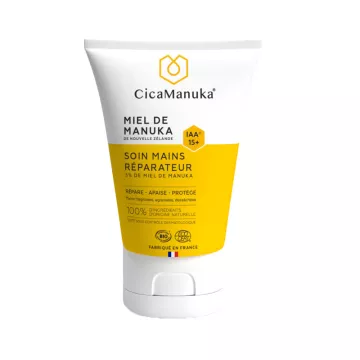
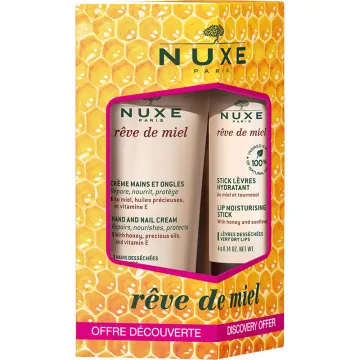
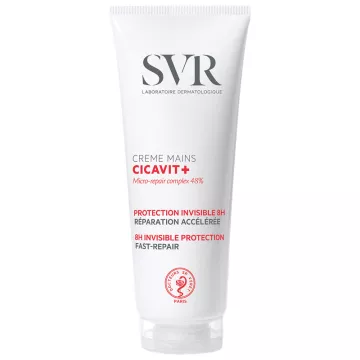
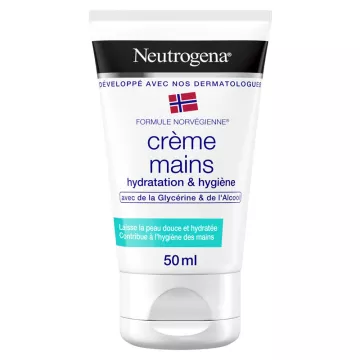
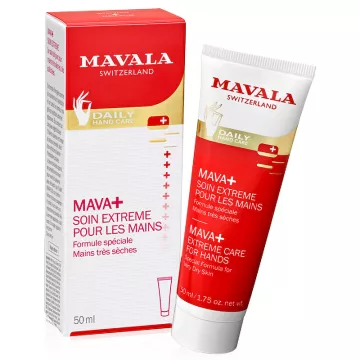
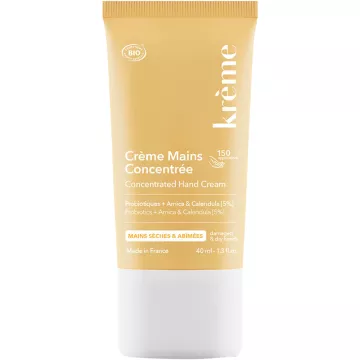
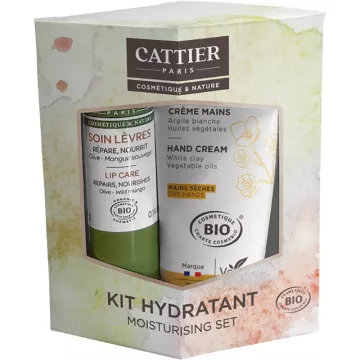
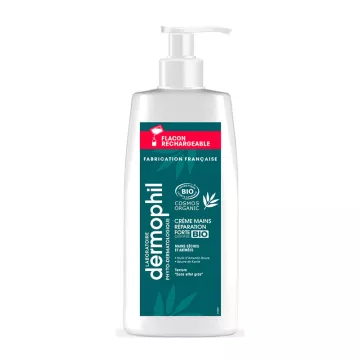
For effective hand care, a specialized moisturizing cream is essential: rich in shea butter, sweet almond oil, and glycerin, it nourishes the skin and preserves the hydrolipidic film. For more intensive care, moisturizing gloves infused with active gel—worn for one to several hours (or even overnight)—enhance the treatment’s effectiveness on dry or uncomfortable skin. A nighttime balm completes the routine for hands that are highly exposed.
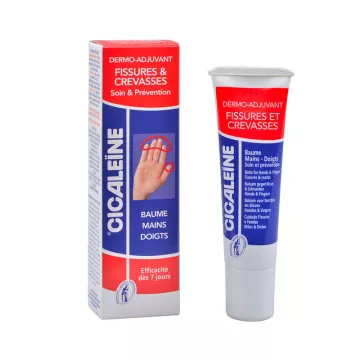
How can you prevent dry and chapped hands?
To avoid dry and chapped hands, a few simple steps make all the difference:
- Apply a moisturizing cream after each hand wash and before bed.
- Choose mild or ultra-moisturizing soaps with a neutral or slightly acidic pH rather than highly foaming or alcohol-based formulas.
- Wear gloves when doing housework or handling chemicals.
- Stay well-hydrated overall by drinking water regularly throughout the day.
- Adjust your routine for winter: use a richer cream, wear warm gloves outdoors, and apply a more intensive nighttime treatment.
What are some natural treatments for hand care?
Several natural practices can complement a skincare routine:
- A small amount of coconut oil or olive oil as a nourishing nighttime treatment.
- A lukewarm hand bath (5 to 10 minutes) with one to two drops of lavender or chamomile essential oil diluted in a vegetable oil. Precautions: Concentrated essential oils are not recommended during pregnancy, while breastfeeding, or for children; if in doubt, consult a healthcare professional.
- A homemade scrub made with fine sugar and vegetable oil, applied with gentle motions once or twice a week.
How to properly apply hand cream?
For optimal application of hand cream:
- Wash and gently pat your hands dry, paying special attention to the spaces between your fingers.
- Place a small amount of cream on the back of one hand, then spread it over both hands.
- Gently massage until absorbed, paying special attention to drier areas, the knuckles, and around the nails.
What are the benefits of hand scrubs?
Gentle scrubs help remove dead skin cells from the surface, support superficial skin renewal, and improve skin texture. They also promote better absorption of the moisturizers applied afterward. Once or twice a week is more than enough: exfoliating too often can actually weaken the skin barrier. Avoid using on broken, cracked skin, or during an eczema flare-up.
Is it necessary to use sunscreen on your hands?
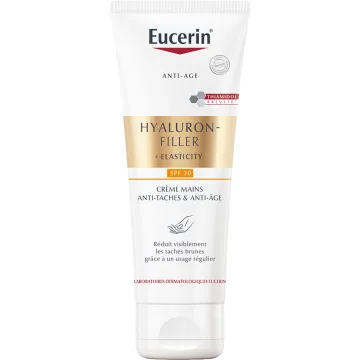
Yes: the skin on the back of the hand is thin and particularly vulnerable to UV rays. Applying sunscreen (SPF 30 or 50) to your hands—especially during prolonged sun exposure and while driving—helps minimize the appearance of age spots and maintain skin suppleness and radiance over the years. It’s one of the most effective preventive measures against photo-induced skin aging.
How can you treat damaged cuticles?
To care for damaged cuticles:
- Moisturize daily with a cuticle oil (vitamin E, jojoba, sweet almond).
- Do not cut your cuticles: they form a natural barrier against microorganisms. Gently pushing them back with a wooden stick after a warm hand bath is more than enough.
- Do not pull, bite, or tear off small pieces of skin: these actions create entry points for bacteria and increase the risk of whitlows.
What are some tips for healthy nails?
For healthy nails:
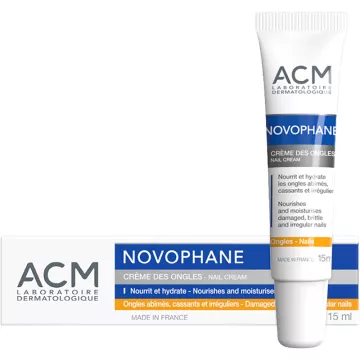
- Regularly moisturize your cuticles and the nail bed, which benefit directly from the application of cream.
- Don’t bite your nails or use them as tools (to open, scrape, or tear things).
- Limit the use of “hard,” quick-drying nail polishes and opt for 3-free, 5-free, or even 10-free polishes (free of formaldehyde, toluene, DBP, camphor, and formaldehyde resin).
- Choose an acetone-free nail polish remover, which is gentler on the nail’s hydrolipidic film.
- Space out nail polish applications to allow the nails to “breathe” between coats.
How can you treat age spots on your hands?
Pigment spots (often called “age spots” or solar lentigines) on the backs of the hands can be reduced with lightening creams containing vitamin C, niacinamide, or kojic acid (concentration limited to 1% in cosmetics according to Regulation (EC) No. 1223/2009). Additional medical procedures are available (depigmenting peels, pigment laser treatment, phototherapy); these should be performed by a dermatologist or cosmetic physician after evaluating the type of spot and ruling out any suspicious pigmented lesions.
What are the benefits of hand baths?
Warm hand baths offer a welcome moment of relaxation and prepare the skin to receive a nourishing treatment. Performed in lukewarm water (never hot, to prevent drying) for 5 to 10 minutes, they promote a feeling of warmth and relaxation, soften the cuticles for easier care, and soothe the skin after a demanding day. Adding sea salt or a few drops of diluted essential oil transforms this simple act into a true sensory ritual—provided you follow the usual precautions associated with essential oils.
How can you prevent signs of aging on your hands?
To maintain the skin’s suppleness and radiance on your hands over time:
- Use a targeted cream enriched with cosmetic retinol (to be distinguished from medical retinoids, which are prescription-only and contraindicated during pregnancy), peptides, and antioxidants.
- Apply sunscreen daily, especially on the backs of your hands during repeated exposure to the sun.
- Moisturize morning and night to maintain skin suppleness.
- Avoid repeated skin irritation (very hot water, washing with bare hands, dry cold without gloves).
What are the risks of frequent manicures?
Manicures that are too frequent or performed improperly can weaken the nails and the nail bed:
- Weakening of the nail due to repeated use of acetone-based nail polish removers.
- Risk of infection (bacterial or fungal) if instruments are not properly disinfected, especially at a salon.
- Irritation of the nail bed caused by the products used (adhesives, hardeners, primer).
- Onycholysis (separation of the nail plate) or thinning following improper removal of semi-permanent polish or nail extensions.
Some precautions: choose a salon that adheres to hygiene standards, space out treatments, moisturize thoroughly between manicures, and consult a dermatologist or doctor if you experience pain or persistent changes in the color or shape of your nails.
How do you choose the right hand cream?
To choose the right hand cream, consider several factors:
- Skin type: dry (formulas rich in butters and oils), normal (medium-textured formulas), sensitive (gentle, well-tolerated formulas for delicate hands).
- Active ingredients: shea butter, vitamin E, hyaluronic acid, glycerin, and ceramides, depending on your primary need.
- Texture and scent: suitable for daily use without a greasy feeling during the day, and more nourishing for nighttime use.
- Overall formulation: a clear list of ingredients, free of heavy fragrances or unnecessary dyes, especially for reactive skin.
What habits should you avoid to keep your hands healthy?
To keep your hands comfortable every day, it’s best to avoid:
- Washing your hands very frequently with harsh soaps: opt for mild or ultra-moisturizing soaps instead.
- Exposure to chemicals without proper hand protection.
- Habits like biting your nails, picking at your cuticles, or using your nails as tools.
- Very hot water when washing, which dries out the skin more than lukewarm water.
- Rough drying with a coarse towel: opt for patting dry instead.
- Prolonged sun exposure on the backs of the hands without protection.
In addition to a good skincare routine, pay attention to warning signs (deep cracks, persistent redness, changes in the nails) and consult a dermatologist if these signs persist. For a well-rounded manicure and pedicure routine, alternate with a pedicure treatment to care for all your extremities. In the event of a severe allergic reaction (facial swelling, difficulty breathing suggestive of angioedema), call 15 or 112.