
Underarm stains result from two distinct mechanisms. White or gray stains come from aluminum salts (aluminum chlorohydrate, aluminum zirconium) in antiperspirants—they settle on fabric fibers and form insoluble crystals that resist ordinary washing. Yellow-brown stains result from a chemical reaction between sweat (urea, lactic acid) and the proteins in natural fibers (cotton, linen) under the influence of heat and time—they form independently of antiperspirants. A garment with unremoved sweat residue can develop both types simultaneously. Understanding this mechanism helps you choose the right product and the right washing method.
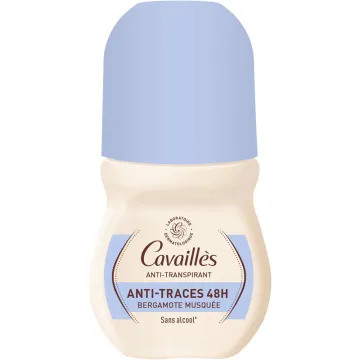
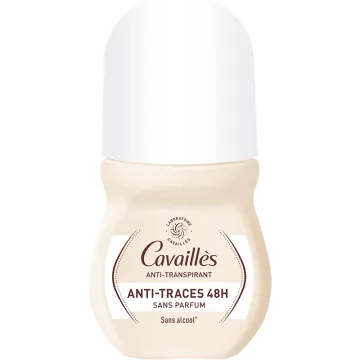
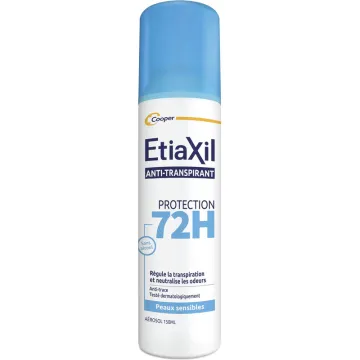
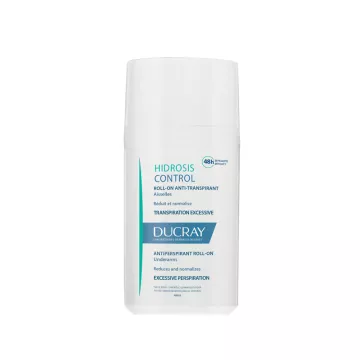
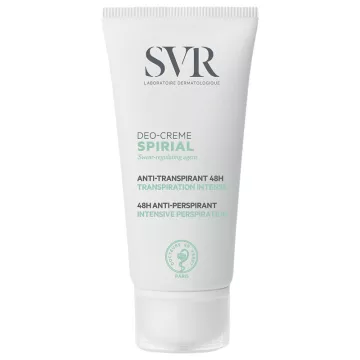
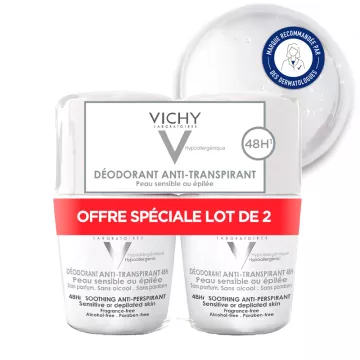
Deodorant acts solely on odors—it neutralizes the skin bacteria responsible for breaking down the fatty acids in sweat without reducing the amount produced. It does not prevent sweat stains. Antiperspirants (Etiaxil, Vichy, SVR Spirial, Ducray Hidrosis) contains aluminum salts that temporarily block the eccrine glands, reducing sweat production by 20 to 40 percent depending on the formula—it helps prevent sweat stains but may leave white residue on dark clothing. "Anti-mark" formulas (Cavaillès Anti-Traces, Vichy Anti-Traces) use specially formulated aluminum salts to minimize these white marks while maintaining effectiveness.
Two well-documented natural active ingredients. Sage essential oil (Salvia officinalis) has a moderate antiperspirant effect due to its peripheral anticholinergic action on eccrine glands, and an antibacterial effect on the bacteria responsible for underarm odor (Corynebacterium, S. epidermidis). It should be used diluted (1–3% in a vegetable oil) for topical application—the thujones in sage are neurotoxic at high doses. Propolis (standardized ethanolic extract) exerts a powerful broad-spectrum antibacterial effect on the Gram-positive flora responsible for the malodorous breakdown of underarm fatty acids—relevant in natural deodorants formulated without aluminum salts.
Zinc is an endogenous antimicrobial—when applied topically (zinc ricinoleate in natural deodorants), it directly neutralizes odor-causing molecules through chelation. When taken orally (15 to 30 mg/day), zinc supplementation improves the underarm skin microbiome and reduces the proliferation of odor-causing bacteria. Vitamin B6 (pyridoxine) is a cofactor in the breakdown of sulfur-containing amino acids—a deficiency leads to excessive excretion of malodorous sulfur compounds through sweat (methionine → methanethiol). At 25–50 mg/day, supplementation has been shown to reduce body odor associated with a sulfur-rich diet.
For white stains (aluminum deposits): soak in diluted white vinegar (1:1 with water, 30 minutes), then wash as usual—acetic acid dissolves the aluminum crystals. For yellow stains (protein oxidation): a paste of baking soda and hydrogen peroxide (3%), left on for 20 minutes before washing. Prevention: apply deodorant only to dry, clean skin, and wait 2 to 3 minutes before getting dressed. With aluminum-free deodorants, the risk of white stains is eliminated—at the cost of reduced antiperspirant effectiveness.
For sensitive skin (shaved, irritated, atopic): opt for alcohol-free, fragrance-free formulas containing aluminum chlorohydrate (less irritating than aluminum zirconium). Roll-ons are less irritating than sprays (no propellants). Forhyperhidrosis (medically defined excessive sweating), conventional antiperspirants are insufficient—formulas with a high concentration of aluminum chlorohydrate (Etiaxil Underarm Treatment, 15%) or medical solutions (iontophoresis, botulinum toxin injections) are recommended and should be discussed with a dermatologist.