Hair’s shine results from the cuticle scales’ ability to reflect light evenly—a smooth, tightly closed cuticle reflects light like a mirror, creating a visible shine. Conversely, a raised or uneven cuticle scatters light, resulting in a dull, lifeless appearance. The main causes of loss of shine are:
Rinsing with cold water after shampooing instantly closes the cuticle scales and restores surface shine. Hair care products designed to enhance shine act on the cuticle (hydrolyzed keratin, silicones) or deep within the hair fiber (silk proteins, amino acids).
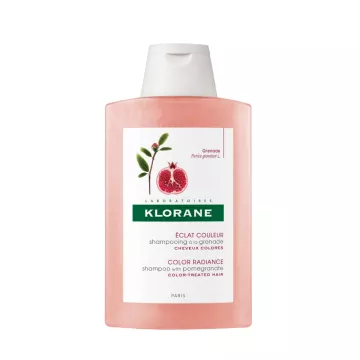
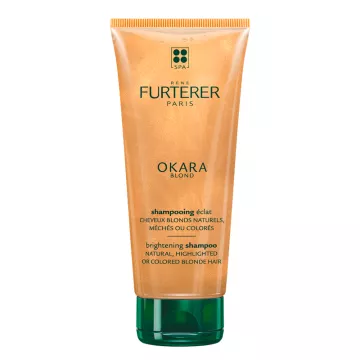
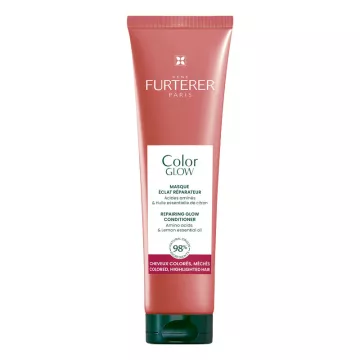
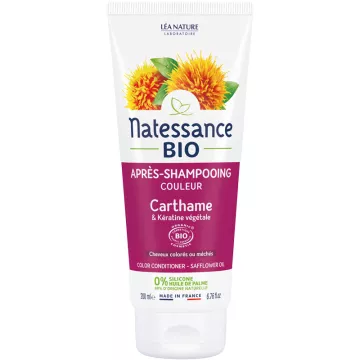
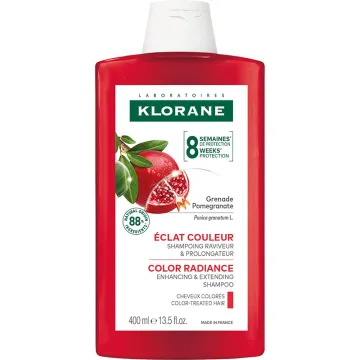
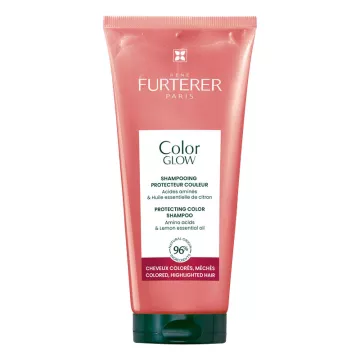
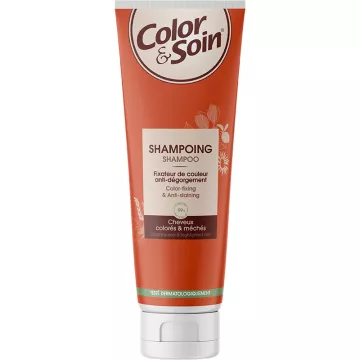
Shampoos that restore shine to color-treated hair use several distinct mechanisms. Color-depositing agents (temporary direct pigments) neutralize unwanted undertones (yellow in blondes, orange in brunettes) and revive the color’s shine. Sulfate-free shampoos (pH 4.5–5.5) preserve color pigments and the natural lipid barrier while helping to close the cuticles. Formulas containing safflower oil (rich in linoleic acid and polyphenols) nourish the cuticle surface and enhance the shine of natural colors. Revitalizing conditioners (cationic polymers) mechanically smooth the cuticles and create a long-lasting light-reflecting film.
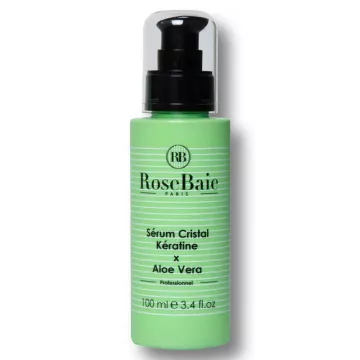
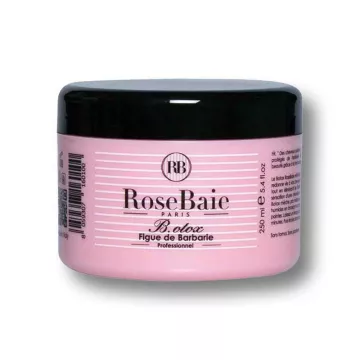
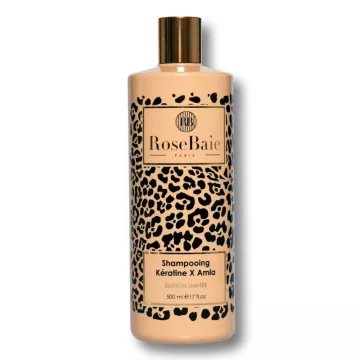
Bleached hair loses its shine due to deep damage to the cuticle—broken disulfide bonds create an uneven surface that cannot reflect light uniformly. Keratin + aloe vera serums temporarily fill the intercuticular spaces and smooth the surface (a mirror-like effect visible from the very first application). "Hair Botox" with prickly pear (plant proteins, amino acids, lightweight oils—formaldehyde-free) restructures the hair shaft, smooths the cuticle scales, and restores long-lasting shine and suppleness. These serums should be applied to damp hair before blow-drying or to dry hair as a finishing touch (1 to 2 hazelnut-sized amounts, avoiding the roots).
Brittle hair has a damaged cuticle that is unable to retain water in the cortex—split ends appear when the cuticle is completely destroyed at the tip of the hair shaft, exposing the inner cortex. The loss of shine associated with split ends is irreversible on damaged hair—only regular trims (every 6 to 8 weeks) remove dead ends. In the meantime, protein masks (keratin, silk, hydrolyzed wheat) temporarily “seal” split ends and smooth out broken cuticles to visually restore shine. Light plant-based oils (argan, jojoba, camellia) applied as a finishing touch provide immediate shine.
For multi-colored hair (highlights, balayage, tie-dye), protecting each shade requires a rigorous color-care regimen. The first step is to use a sulfate-free shampoo with cold water (to close the cuticles after rinsing). The revitalizing mask (1–2 times a week) maintains the color’s visual intensity. A lightweight, alcohol-free hairspray (with UV filter) protects pigments from photo-oxidation. Chlorinated water (from swimming pools) is the enemy of shine—rinse your hair before entering the water and apply a protective leave-in treatment. If you wash your hair more than three times a week, the color and shine will fade significantly faster.
Daily shine is achieved through a series of small, simple steps. Always finish washing with a cold water rinse—it’s the simplest and most effective way to close the cuticles. Use a shampoo with an acidic pH (4.5–5.5) rather than a standard shampoo (pH 6–7, alkaline). Gently detangle split ends (using a wide-tooth comb, working from the ends toward the roots) to minimize breakage and damage to the cuticle. Avoid drying at too high a temperature—a hair dryer set to 80°C is sufficient for most hair types. Apply a few drops of dry oil or shine-enhancing serum to dry hair as a finishing touch to seal the cuticle scales and maximize light reflection. This cuticle-friendly routine is the foundation for long-lasting hair shine without the use of silicones.